你干吗把人想这么坏呀 昨天晚上是你哭着喊着
“Why do you think so badly of me? Last night, you were the one begging me to come help.”
THE DIALOGUE REEL
“and use you as a walking advertisement? You said that, not me.”
你干吗 把人 想这么坏 呀 昨天晚上是你 哭着喊着
“Why do you think so badly of me? Last night, you were the one begging me to come help.”
求我过来帮忙的
“Last night, you were the one begging me to come help.”
“Don't act like I'm taking advantage of you when you practically begged me to come!”
When close associates or potential romantic partners playfully accuse one another of ulterior motives, calling out past vulnerable requests is a standard way to banter and level the power dynamic.
LEARNING CHUNKS & PARTICLES
assume someone has bad intentions / think the worst of people
Used to protest when someone misinterprets your goodwill as malicious or self-serving.
crying and shouting / desperately pleading
A vivid four-character descriptive chunk exaggerating someone's desperation when begging for something.
Softens the rhetorical accusation, making it sound more like an informal protest or banter than a hostile attack.
VOCABULARY & EXPRESSIONS
Parallel Spoken Cinema Scenes (语义近邻切片)
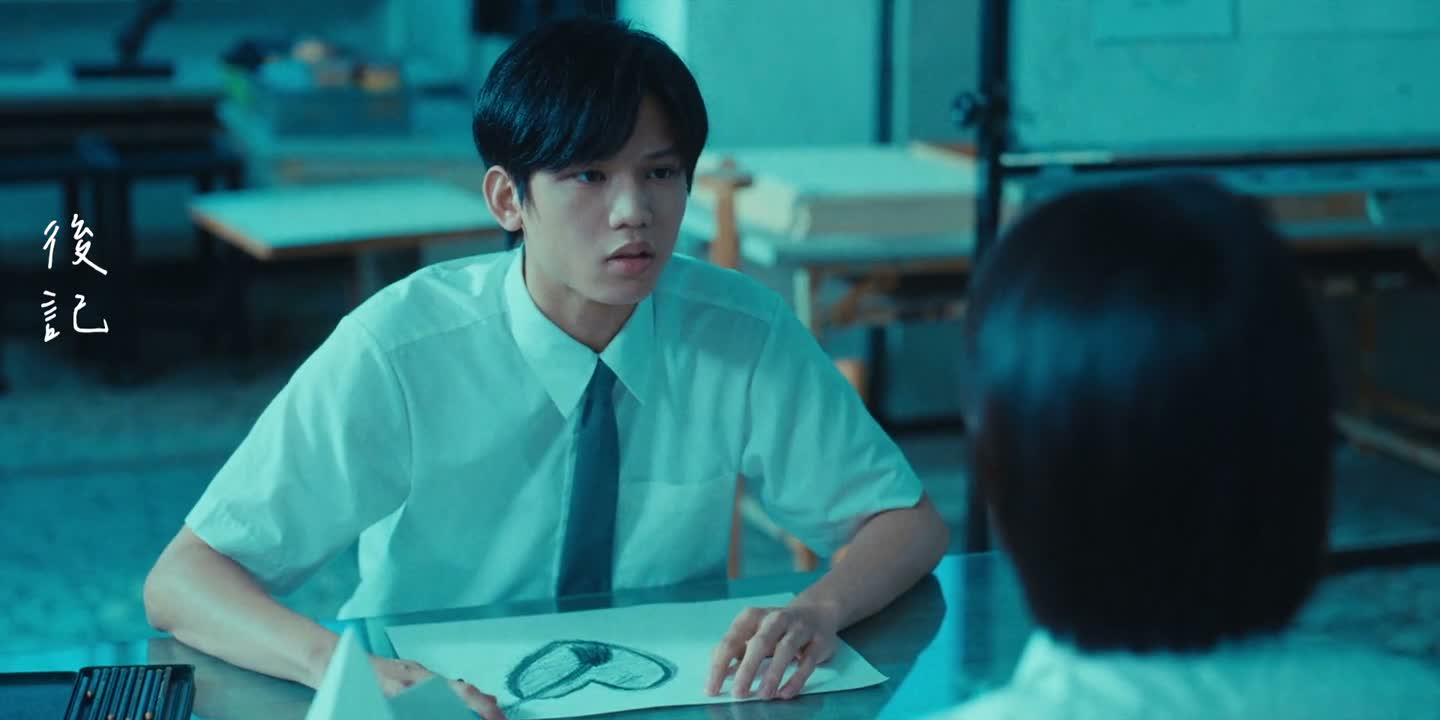
“Why do you have to think the worst of me?”

“What are you doing?”

“Where have you been? Why are you in such a mess again?”

“What are you doing? It is scary when you are looking at me like this.”