你干吗呀
nǐ gàn má yaCommon spoken expression used by native Chinese speakers in daily life.
[Scene: 其他场景]
(9 clips) 00:03
(松手 松手 干吗呀 你干吗呀 不是 你收敛点) ── Previous context
“What are you trying to do? She is... We're in public.”
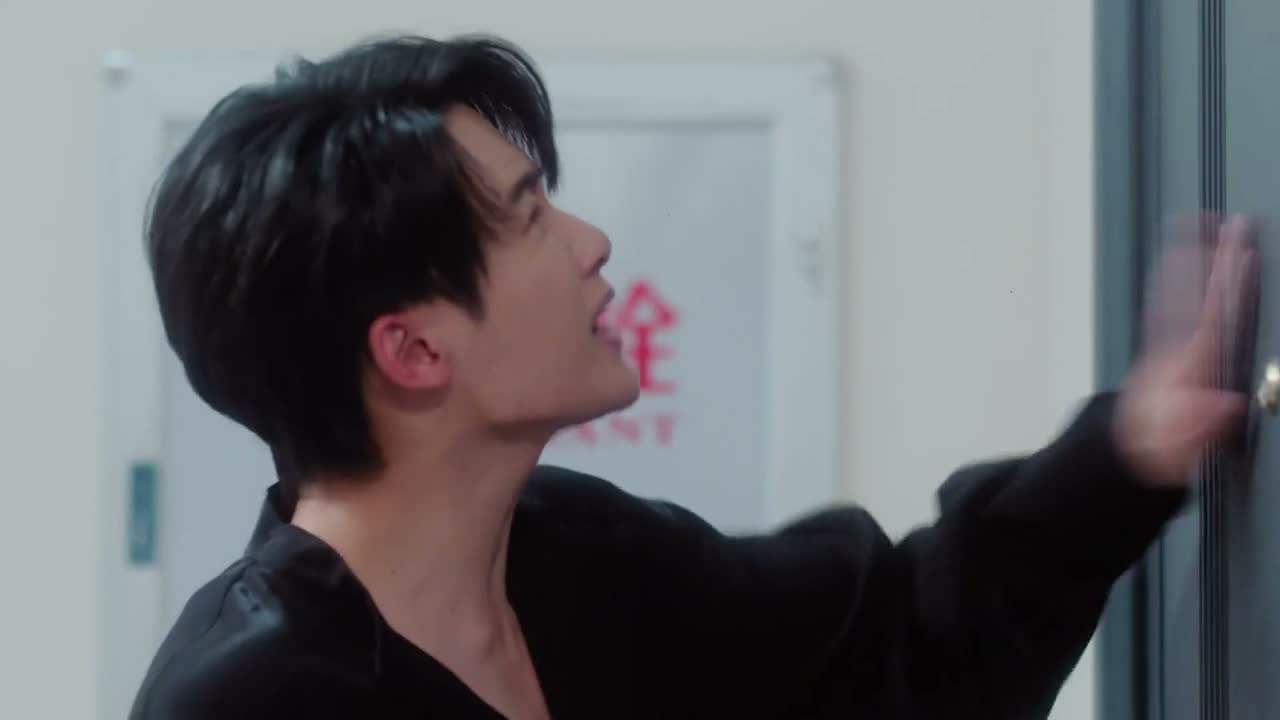 00:02
 00:02
 00:03
 00:02
(林冬福 你是不要疯了 自己下水去取样) ── Previous context
“What are you doing? You scared us to death.”
 00:03
(大哥回来我死在那儿 你就满意了对吗) ── Previous context
“What are you doing, Jiang Cheng? Can you talk like a normal person? Can you? Stop fighting!”
 00:02
 00:02
 00:02
[Scene: 其他场景]
(4 clips) 00:02
 00:03
(干吗呢 干吗呢 干吗呀) ── Previous context
“- Let go. - What are you doing? - What are you doing? Calm down. - Wait...”
 00:02
(我相信 你心里有答案) ── Previous context
“What are you doing? Why did you plug in that flash drive?”
 00:03
[Scene: 家庭日常]
(3 clips) 00:03
(帅气九零后 身高一米八) ── Previous context
“Won scholarships every year in college. Mom, what are you doing?”
 00:02
(就是全年级第一 以后肯定是要去北大的) ── Previous context
“Are you serious? Why would I lie to you about it?”
 00:02
[Scene: 警匪刑侦]
(1 clips) 00:02
“What are you doing? Take a look.”
[Scene: 社交聚会]
(1 clips) 00:03
(不能) ── Previous context
“What are you doing? Ruining love leads to heck. Don't you know that?”
📌 一个人
→Nuance: 抱怨晚归但具体原因不同
📌 对不起
→Nuance: 核心质问意图一致可互换
📌 不知道
→Nuance: 同向近义词根配对: [知道 ↔ 清楚]
📌 问清楚
→Nuance: 同向近义词根配对: [知道 ↔ 清楚]
📌 疯了吧
→Nuance: 质问对方反常行为,意图一致
📌 怎么了
→Nuance: 核心询问意图一致,可替换
📌 怎么才回来
→Nuance: 抱怨晚归但具体原因不同
📌 是不是
→Nuance: 核心意图同为抗拒拉扯要求松手