你干吗呀
“What are you doing?”
THE DIALOGUE REEL
好好的
“Take care.”
你干吗呀
“What are you doing?”
走了
“I'm leaving.”
“What are you doing? Things were totally fine, why are you leaving all of a sudden?”
Chinese speakers often use 'hao hao de' as a baseline expectation of normalcy. When an established harmonious atmosphere or plan is abruptly disrupted, this phrase is used to express regret, surprise, or gentle dissuasion.
LEARNING CHUNKS & PARTICLES
what are you doing; why
A high-frequency colloquial term equivalent to 'gan shen me' (what to do) or 'wei shen me' (why), often used to question someone, inquire about reasons, or convey bafflement or mild annoyance.
in good condition; perfectly fine and normal
Frequently paired with unexpected behavior, such as 'hao hao de, zen me zou le?' ('Everything was fine, why are you leaving?'), highlighting surprise at an abrupt turn of events.
Placed at the end of a question to soften the bluntness of an inquiry, conveying conversational intimacy, surprise, or playful petulance.
VOCABULARY & EXPRESSIONS
Parallel Spoken Cinema Scenes (语义近邻切片)
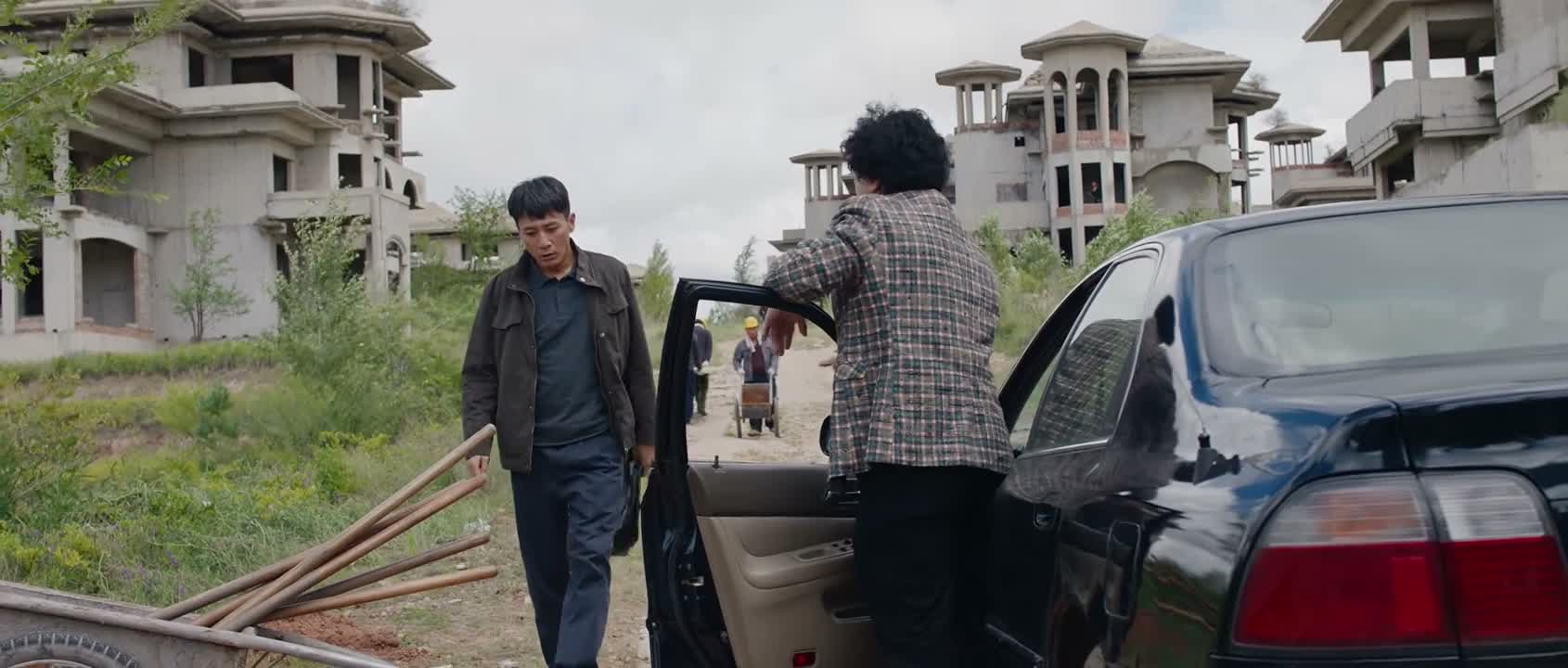
“How dangerous! What are you doing?”

“What are you doing?”

“My Lord, what are you doing?”

“What are you doing? What?”

“What are you doing? Take a look.”
“What are you doing?”

“And I asked what you were doing.”