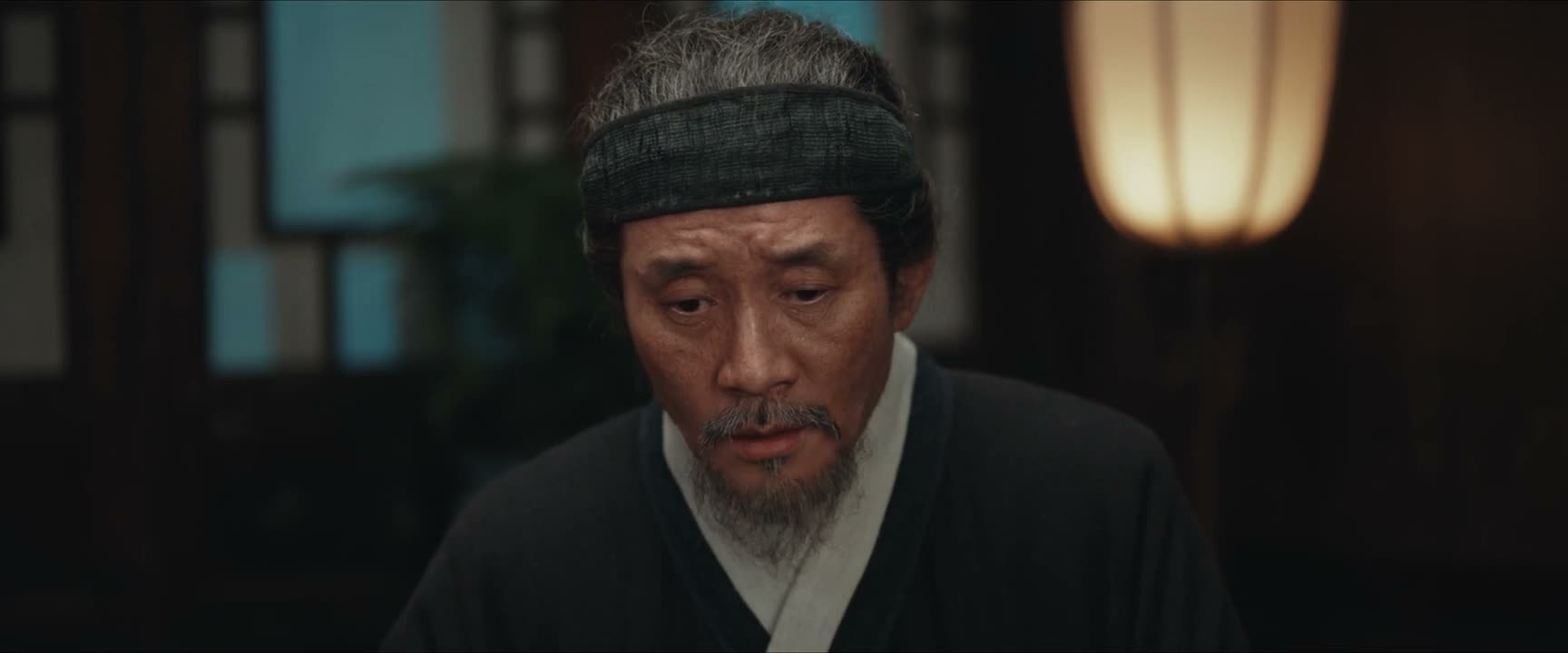
《The Knockout》 S1·E13 (06:34)
HSK 1
gāi wǎng qián kàn le wǎng qián néng kàn dào shén me
该往前看了 往前能看到什么
“It's time to move on. What can I see as I move on?”
《The Knockout》
S1·E13
TIMECODE: 06:34
·
1080P MASTER AUDIO
THE DIALOGUE REEL
[-1] PREVIOUS TURN
liù nián le
六年了
“It's been six years.”
gāi wǎng qián kàn le wǎng qián néng kàn dào shén me
CURRENT FOCUS
该往前看了 往前能看到 什么
“It's time to move on. What can I see as I move on?”
[+1] FOLLOW-UP TURN
wǎng qián kàn wǒ jiù shì yí gè
往前看我就是一个
“I'm just a cop”
Subtitles synced to millisecond timecode
Browse Show Clips →
Scene:
Social & Dating
Function:
SKEPTICAL QUESTIONING
Tone:
BLEAK
Emotion:
DESPAIR
WHAT THEY REALLY MEAN (PRAGMATIC SUBTEXT)
“You tell me to move on, but there is nothing waiting for me ahead.”
💡 Cultural Insight: Moving Forward vs. Holding Grudges
Chinese interpersonal dynamics often emphasize 'looking forward' to restore harmony, though unresolved past grievances can trigger existential despair when closure is absent.
INTENT TAGS:
#skepticism
#hopelessness
#resignation
#confrontation
🧩
2 CHUNKS · 1 PARTICLES
LEARNING CHUNKS & PARTICLES
往前看
SPOKEN CHUNK
to look forward; to move on from the past
A common idiom used when encouraging someone to stop dwelling on past trauma or regret.
该...了
SPOKEN CHUNK
it is time to...
Used to indicate an overdue action or that the moment has arrived to make a change.
Modal Particle「了」 (le)
CHANGE OF STATE
Marks a change of state, implying that after a long delay, the time to move forward has finally come.
🏮
2 EXPR · 0 GRAMMAR
VOCABULARY & EXPRESSIONS
COLLOQUIAL EXPRESSIONS:
CROSS-CINEMA CORPUS BOARD · PARALLEL SCENES
EXPLORE BY SEMANTIC SIMILARITY
Parallel Spoken Cinema Scenes (语义近邻切片)
《The Knockout》 S1·E13 (06:34) · Authentic Cinema Dialogue Corpus