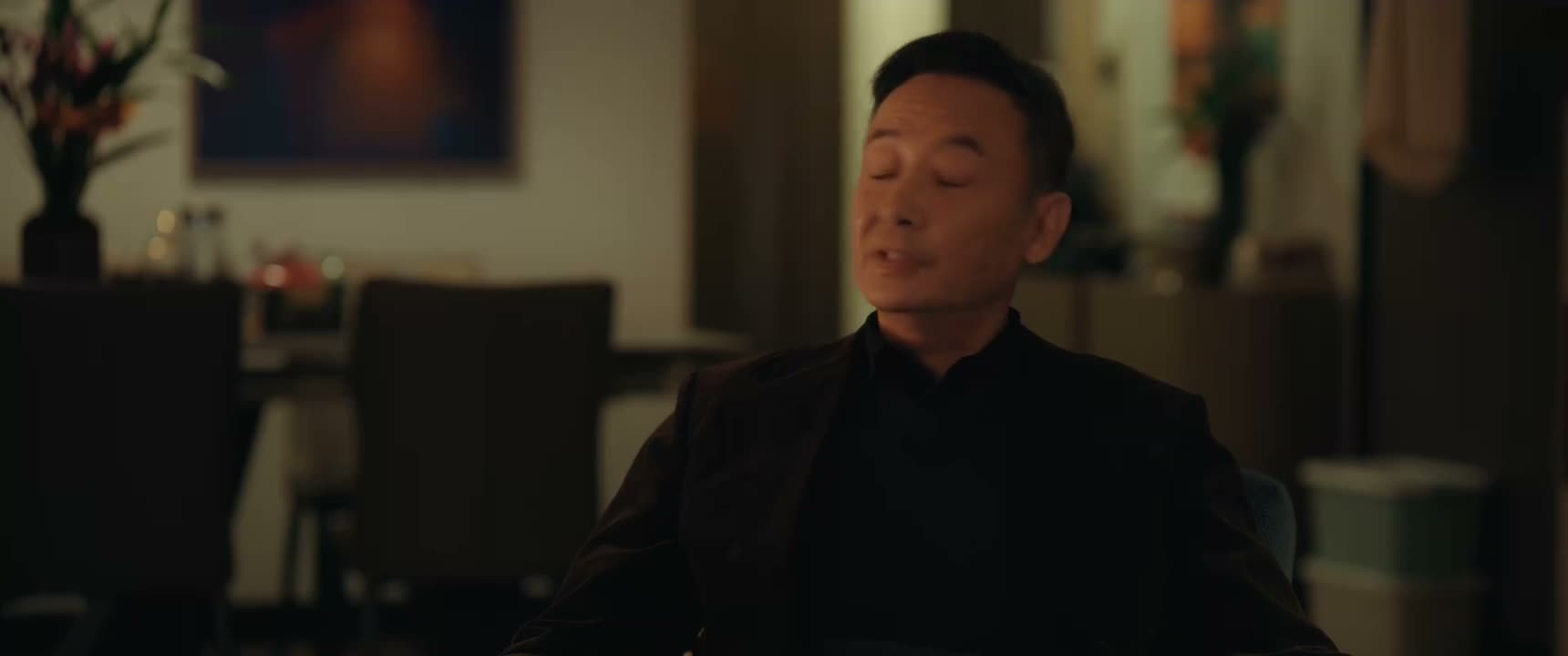
《Live up to Your Youth》 S1·E8 (26:15)
HSK 6
wǒ hái dé xiān gěi nǐ péi gè zuì
我还得先给你赔个罪
“Do I need to apologize to you first?”
《Live up to Your Youth》
S1·E8
TIMECODE: 26:15
·
1080P MASTER AUDIO
THE DIALOGUE REEL
[-1] PREVIOUS TURN
zěn me
怎么
“What?”
wǒ hái dé xiān gěi nǐ péi gè zuì
CURRENT FOCUS
我 还得 先给 你 赔个罪
“Do I need to apologize to you first?”
[+1] FOLLOW-UP TURN
bú shì nǐ gěi wǒ péi zuì
不是你给我赔罪
“It's not that.”
Subtitles synced to millisecond timecode
Browse Show Clips →
Scene:
Social & Dating
Function:
APOLOGIZING
Tone:
CONCILIATORY
Emotion:
GUILT
WHAT THEY REALLY MEAN (PRAGMATIC SUBTEXT)
“Before we go any further, let me clear the air by admitting my fault.”
💡 Cultural Insight: Peizui (Formal Acknowledgment of Fault)
Offering a proactive 'peizui' gives face to the other party early in a difficult discussion, paving the way for reconciliation.
INTENT TAGS:
#apologizing
#face_giving
#reconciliation
#humility
🧩
1 CHUNKS · 0 PARTICLES
LEARNING CHUNKS & PARTICLES
赔个罪
SPOKEN CHUNK
make an apology / make amends
A slightly formal, traditional phrasing used in spoken Chinese to formally or sincerely ask for forgiveness.
🏮
3 EXPR · 0 GRAMMAR
VOCABULARY & EXPRESSIONS
COLLOQUIAL EXPRESSIONS:
CROSS-CINEMA CORPUS BOARD · PARALLEL SCENES
EXPLORE BY SEMANTIC SIMILARITY
Parallel Spoken Cinema Scenes (语义近邻切片)
《Live up to Your Youth》 S1·E8 (26:15) · Authentic Cinema Dialogue Corpus