《The Devil Between Us》 S1·E6 (25:15)
HSK 7
yào bù tā liú gè fèng shì shén me yì si ne
要不他留个缝是什么意思呢
“Otherwise, why leave a gap?”
《The Devil Between Us》
S1·E6
TIMECODE: 25:15
·
1080P MASTER AUDIO
THE DIALOGUE REEL
[-1] PREVIOUS TURN
wǒ néng kàn jiàn tā tā yě néng kàn jiàn wǒ
我能看见他 他也能看见我
“I can see him, and he can see me.”
yào bù tā liú gè fèng shì shén me yì si ne
CURRENT FOCUS
要不 他 留个缝 是什么意思 呢
“Otherwise, why leave a gap?”
[+1] FOLLOW-UP TURN
qī líng yī jì hǎo jì hǎo hǎo wǔ hào lóu qī líng yī
七零一记好记好 好 五号楼七零一
“Mark down 701. Okay. Building 5, 701.”
Subtitles synced to millisecond timecode
Browse Show Clips →
Scene:
Crisis & Conflict
Function:
RAISING SUSPICION
Tone:
INQUISITIVE
Emotion:
SUSPICION
WHAT THEY REALLY MEAN (PRAGMATIC SUBTEXT)
“Leaving the door cracked is deliberate, which proves my point entirely.”
💡 Cultural Insight: Rhetorical Questioning for Validation
Using '要不...是什么意思呢' is a standard rhetorical strategy in conversational Chinese to push the listener to accept the speaker's deductive logic.
INTENT TAGS:
#speculation
#justification
#rhetorical_question
#observation
🧩
2 CHUNKS · 1 PARTICLES
LEARNING CHUNKS & PARTICLES
要不
SPOKEN CHUNK
otherwise / if not so
Used at the beginning of a clause to provide rhetorical support or counter-evidence to a preceding statement.
留个缝
SPOKEN CHUNK
leave a crack (in a door or window)
Common everyday phrase describing leaving an opening slightly unclosed.
Modal Particle「呢」 (ne)
CHANGE OF STATE
Softens the rhetorical question while prompting the listener to consider the underlying reason.
🏮
3 EXPR · 0 GRAMMAR
VOCABULARY & EXPRESSIONS
COLLOQUIAL EXPRESSIONS:
CROSS-CINEMA CORPUS BOARD · PARALLEL SCENES
EXPLORE BY SEMANTIC SIMILARITY
Parallel Spoken Cinema Scenes (语义近邻切片)
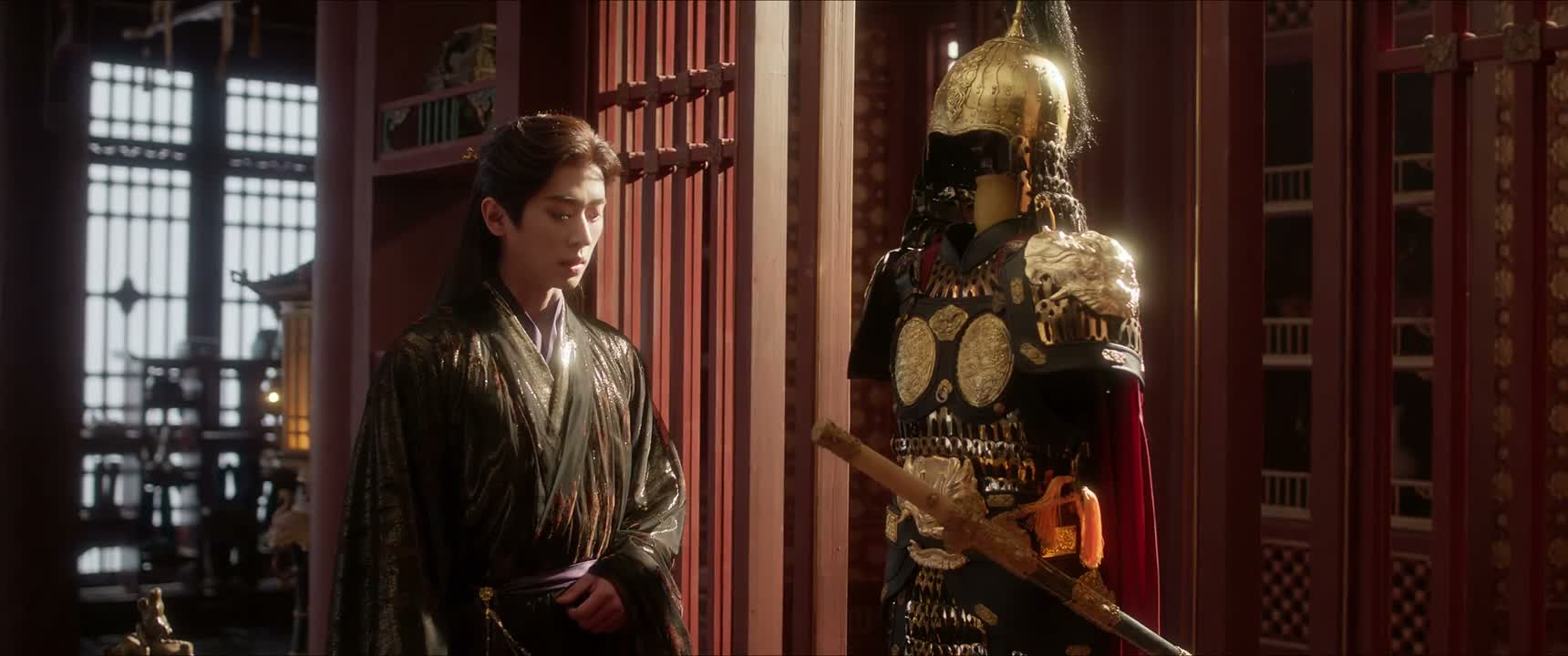
《The Devil Between Us》 S1·E6 (25:15) · Authentic Cinema Dialogue Corpus