MC
MandarinClips Cinema Corpus
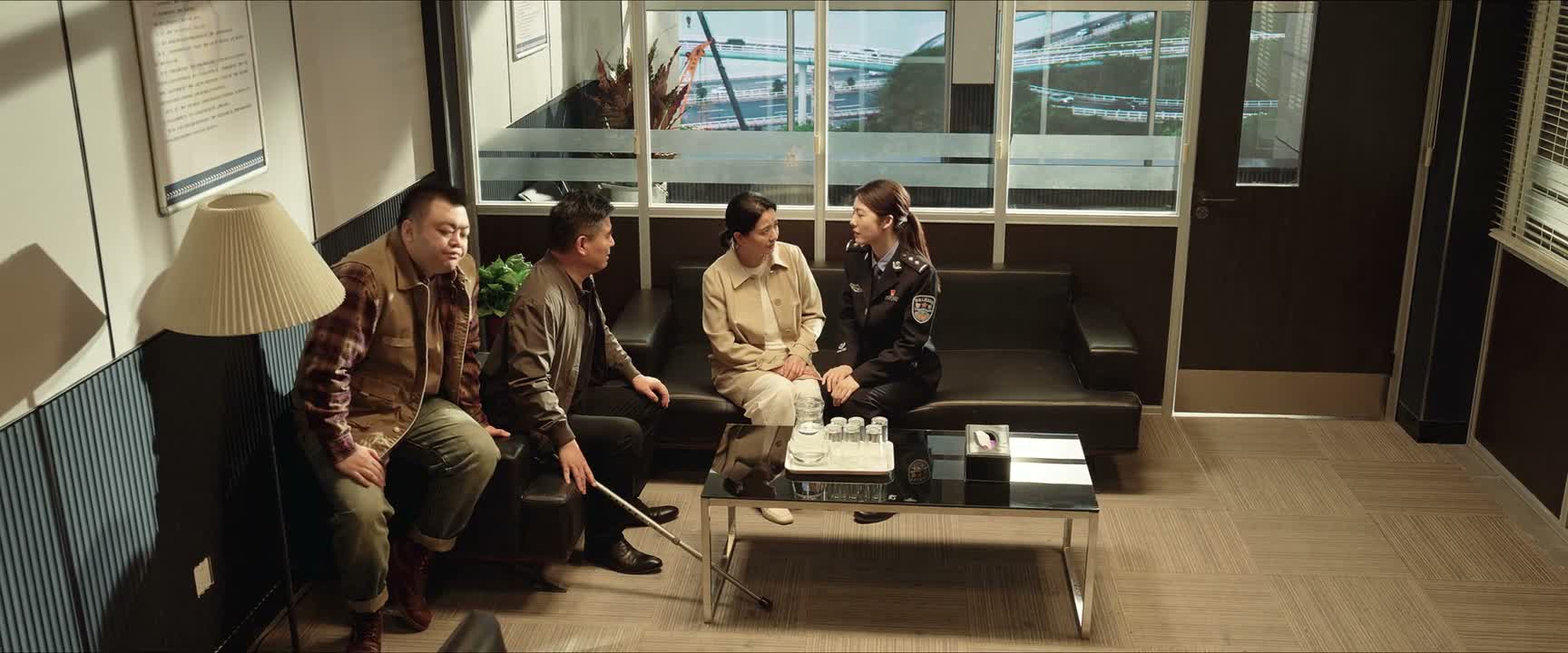
《The Knockout》 S1·E6 (08:09) HSK 7
nǐ wàng le tā men dāng chū zěn me qī fù nǐ de le xiàn zài méi yǒu le

你忘了他们当初 怎么欺负你的了 现在没有了

“Have you forgotten how they bullied you before? Not anymore.”

《The Knockout》 S1·E6
TIMECODE: 08:09 · 1080P MASTER AUDIO

THE DIALOGUE REEL

1+1+1 SPOKEN CONTINUITY
[-1] PREVIOUS TURN lǎo gāo nǐ hái zhēn shì lǎo shí

“Gao, you're so kind.”

nǐ wàng le tā men dāng chū zěn me qī fù nǐ de le xiàn zài méi yǒu le CURRENT FOCUS

你忘了 他们当初 怎么欺负你的 了 现在 没有了

“Have you forgotten how they bullied you before? Not anymore.”

[+1] FOLLOW-UP TURN nǐ men shàng cì lái guò yǐ hòu tā men xiōng dì liǎng rén tǐng hǎo de

你们上次来过以后 他们兄弟两人挺好的

“After you came last time, they've been quite nice to me.”

Subtitles synced to millisecond timecode Browse Show Clips →
Scene: Daily Life
Function: REMINDING AND WARNING
Tone: INCREDULOUS
Emotion: FRUSTRATION
WHAT THEY REALLY MEAN (PRAGMATIC SUBTEXT)
“Stop being so foolishly forgiving; have you completely forgotten how terribly they treated you?”
💡 Cultural Insight: Lao Shi (Honest vs Naive)

While being 'laoshi' (honest and docile) is traditionally valued, in harsh street reality it often implies being easily bullied and taken advantage of.

INTENT TAGS: #warning #reality_check #reminding #protective
🧩

LEARNING CHUNKS & PARTICLES

2 CHUNKS · 1 PARTICLES
欺负 SPOKEN CHUNK

to bully; to mistreat

A very common verb in daily speech used to describe taking unfair advantage of or picking on someone weaker.

当初 SPOKEN CHUNK

at that time; back then

Used when looking back at a previous period or turning point to contrast it with the present.

Modal Particle「了」 (le) CHANGE OF STATE

Used at the clause ending to emphasize the rhetorical reminder and sudden contrast in situation.
🏮

VOCABULARY & EXPRESSIONS

3 EXPR · 0 GRAMMAR
CROSS-CINEMA CORPUS BOARD · PARALLEL SCENES

Parallel Spoken Cinema Scenes (语义近邻切片)

EXPLORE BY SEMANTIC SIMILARITY
《The Knockout》 S1·E6 (08:09) · Authentic Cinema Dialogue Corpus