唐小虎 你谁啊
“Tang Xiaohu. Who are you?”
THE DIALOGUE REEL
“Fix it here. Now. Good luck with your business!”
唐小虎 你谁啊
“Tang Xiaohu. Who are you?”
这个八十就可以了 这个为什么是两百呢
“Eighty is enough for this one. [Qiangsheng PHS Specialty Store] This one is 200 because”
“You don't intimidate me. Who do you think you are to come over here?”
Asking '你谁啊' directly in informal Chinese conveys strong defiance and rejects the listener's assumed authority or social standing.
LEARNING CHUNKS & PARTICLES
who are you? / who do you think you are?
A blunt and often provocative question used in spoken Chinese to challenge an unfamiliar or unwelcome person.
Adds a blunt, challenging, and confrontational edge to the question.
VOCABULARY & EXPRESSIONS
Parallel Spoken Cinema Scenes (语义近邻切片)

“Tang Xiaohu called you on a public phone.”

“Let Tang Xiaohu go first.”

“that my younger grandson, Xiaohu,”

“Xiaohu, does your tooth still hurt?”
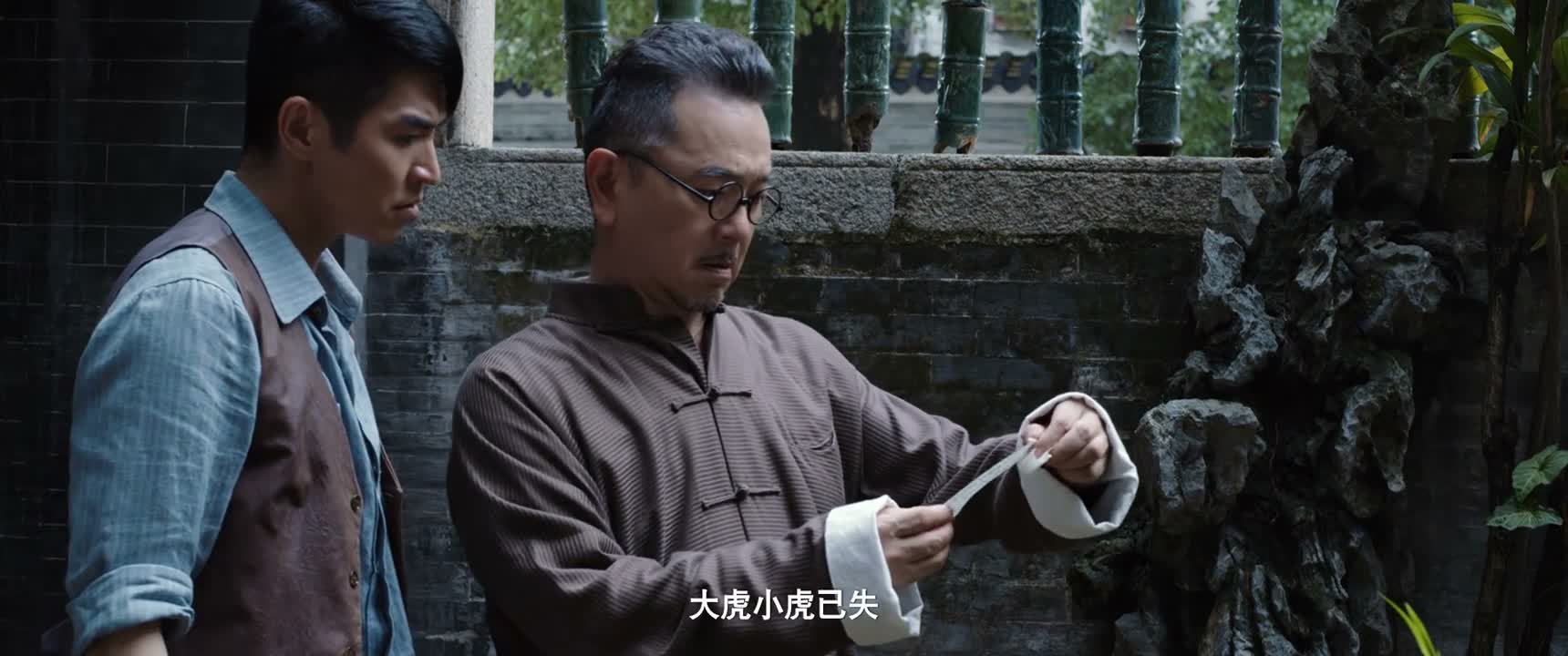
“Big Tiger and Little Tiger are lost.”

“Does Tang Xiaolong have a dog nose? Did he smell us,”