MC
MandarinClips Cinema Corpus
《Ashes to Crown》 S1·E9 (33:58) HSK 5
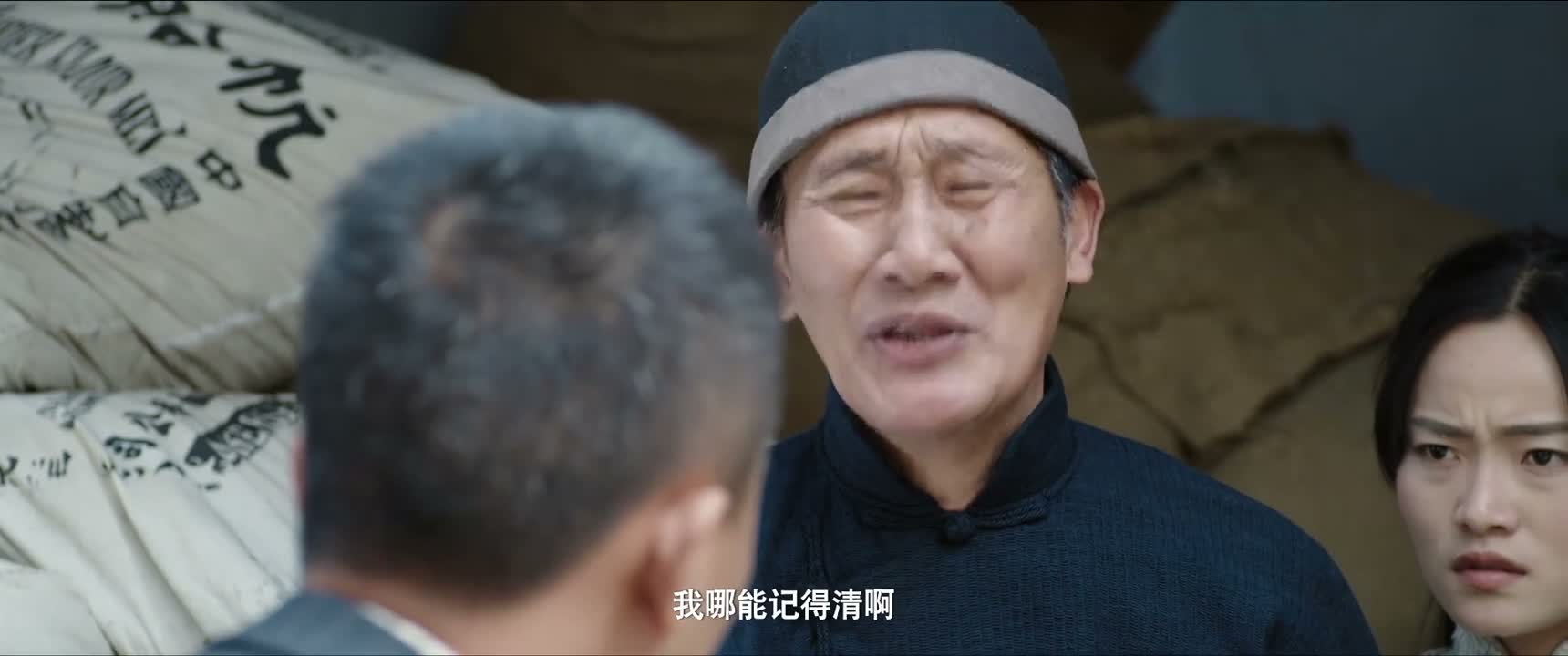
wǒ nǎ hái jì de zì jǐ shuō le shén me 、 zuò le shén me ya ?

我哪还记得自己 说了什么、做了什么呀?

“I couldn't remember what I said or did.”

《Ashes to Crown》 S1·E9
TIMECODE: 33:58 · 1080P MASTER AUDIO

THE DIALOGUE REEL

1+1+1 SPOKEN CONTINUITY
[-1] PREVIOUS TURN xíng le nǐ jiù bié xiào huà wǒ le wǒ nà fāng cái jiù shì zài qì tóu shàng

行了 你就别笑话我了 我那方才 就是在气头上

“Come on. Don't tease me. Just now, I lost my temper.”

wǒ nǎ hái jì de zì jǐ shuō le shén me 、 zuò le shén me ya ? CURRENT FOCUS

我 哪还记得 自己 说了什么 、 做了什么 呀?

“I couldn't remember what I said or did.”

[+1] FOLLOW-UP TURN zhè yǎn xià huí guò shén lái

这眼下回过神来

“Now I've come to my senses.”

Subtitles synced to millisecond timecode Browse Show Clips →
Scene: Social & Dating
Function: SELF DEFENSE
Tone: PLEADING
Emotion: EMBARRASSMENT
WHAT THEY REALLY MEAN (PRAGMATIC SUBTEXT)
“Don't hold me accountable for what I said while I was furious.”
💡 Cultural Insight: Saving Face Through Temper Tantrums

Attributing irrational behavior to 'being in the heat of the moment' is a common social script in Chinese culture to step down gracefully and restore harmony without formally apologizing.

INTENT TAGS: #deflection #excuse #face_saving #pleading
🧩

LEARNING CHUNKS & PARTICLES

2 CHUNKS · 1 PARTICLES
哪还记得 SPOKEN CHUNK

how could one possibly still remember

A rhetorical pattern used to emphasize that one has completely forgotten or prefers not to recall something.

在气头上 SPOKEN CHUNK

in the heat of anger

An essential idiom used to excuse erratic behavior caused by a momentary fit of rage.

Modal Particle「呀」 (ya) CHANGE OF STATE

Softens the rhetorical question and adds a whiny, pleading tone to solicit sympathy.
🏮

VOCABULARY & EXPRESSIONS

4 EXPR · 0 GRAMMAR
CROSS-CINEMA CORPUS BOARD · PARALLEL SCENES

Parallel Spoken Cinema Scenes (语义近邻切片)

EXPLORE BY SEMANTIC SIMILARITY
《Ashes to Crown》 S1·E9 (33:58) · Authentic Cinema Dialogue Corpus