自我懂事起
“For as long as I can remember, I have no memories of her.”
THE DIALOGUE REEL
我娘去世得早
“My mother died at a young age.”
自我懂事起
“For as long as I can remember, I have no memories of her.”
就已经没有关于她的任何记忆
“For as long as I can remember, I have no memories of her.”
Direct spoken expression in this communicative setting.
In Chinese culture, a child who is 'dongshi' understands adult hardship early on and behaves considerately, often linked to growing up without parental pampering.
LEARNING CHUNKS & PARTICLES
ever since...
A slightly formal syntactic pattern used in spoken narration to indicate a starting point in time.
to become sensible or mature enough to understand things
Commonly used to describe children reaching an age of awareness, thoughtfulness, or obedience.
VOCABULARY & EXPRESSIONS
Parallel Spoken Cinema Scenes (语义近邻切片)
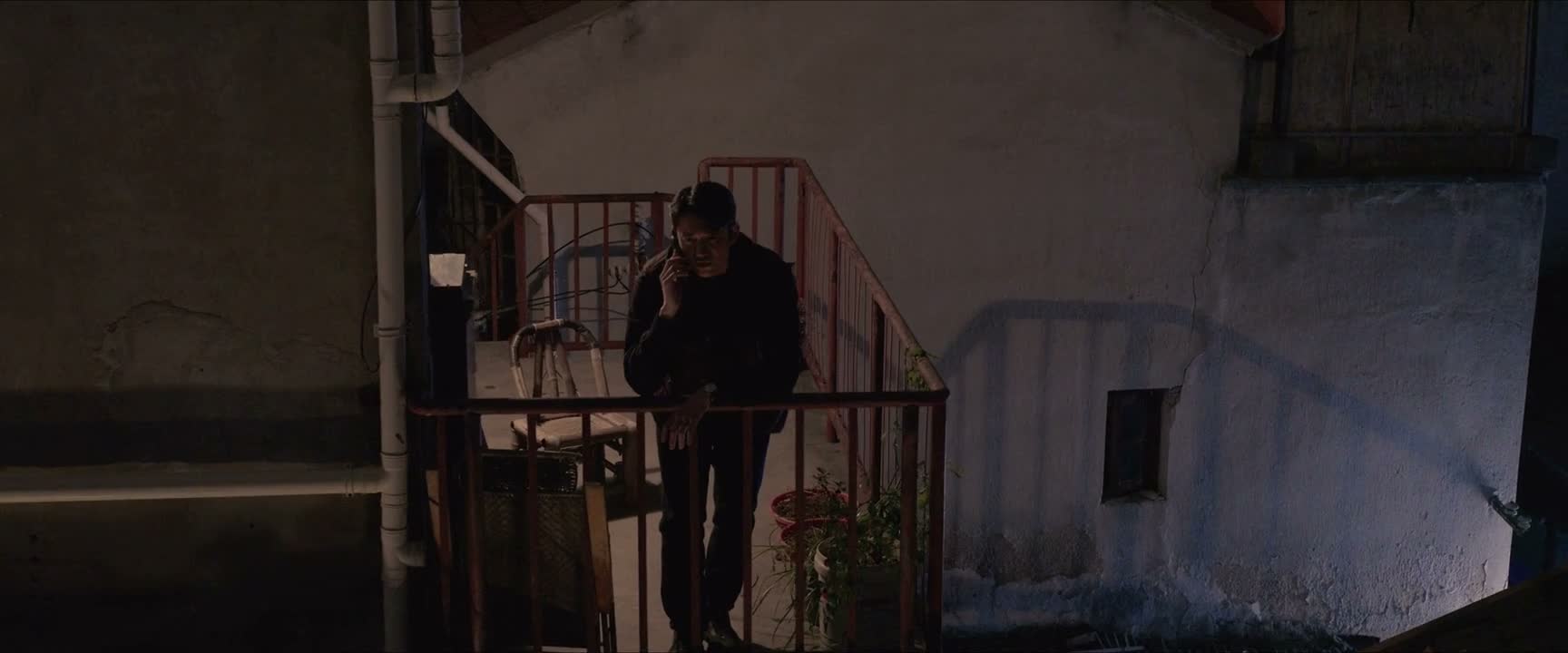
“who was very sensible from a young age.”

“You were quite sensible this time.”
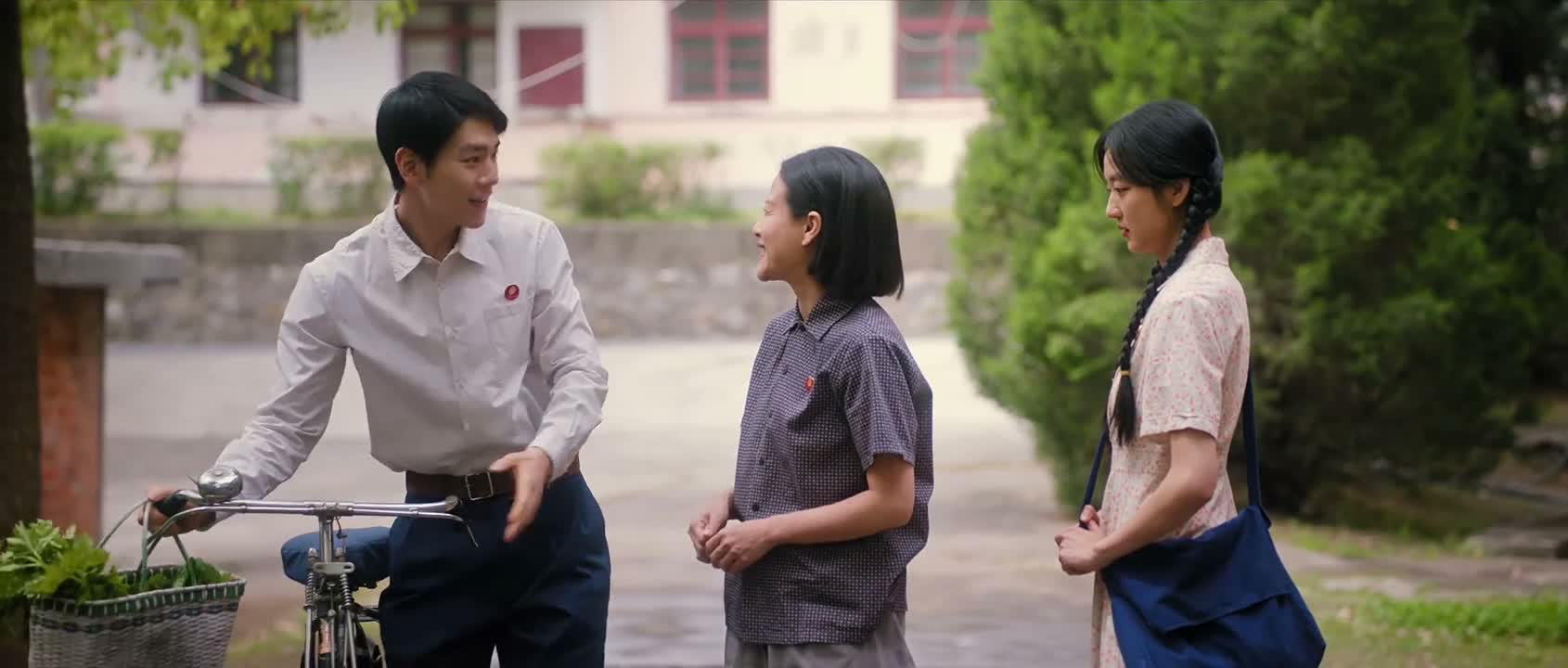
“What a sensible boy. - Look at him. - Please go ahead.”
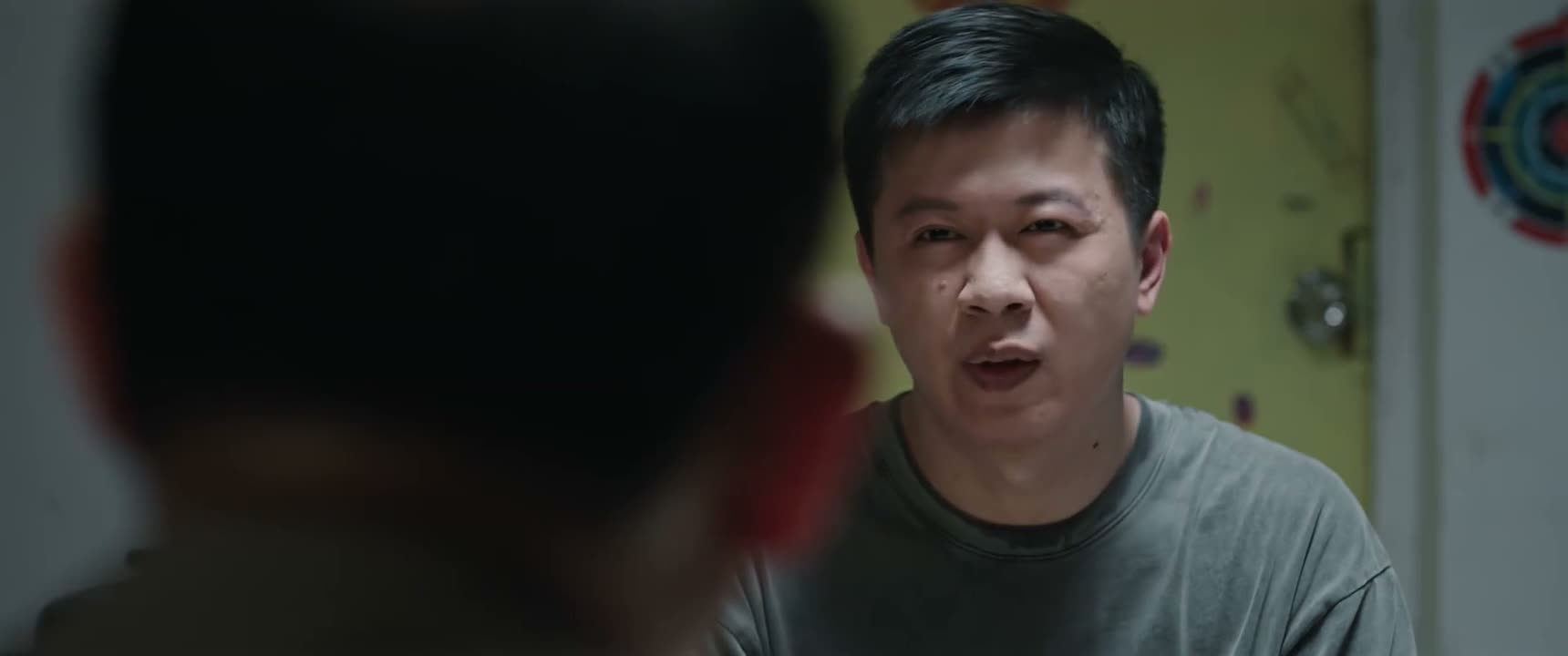
“I was young and simple-minded.”

“You're a very mature, good kid.”
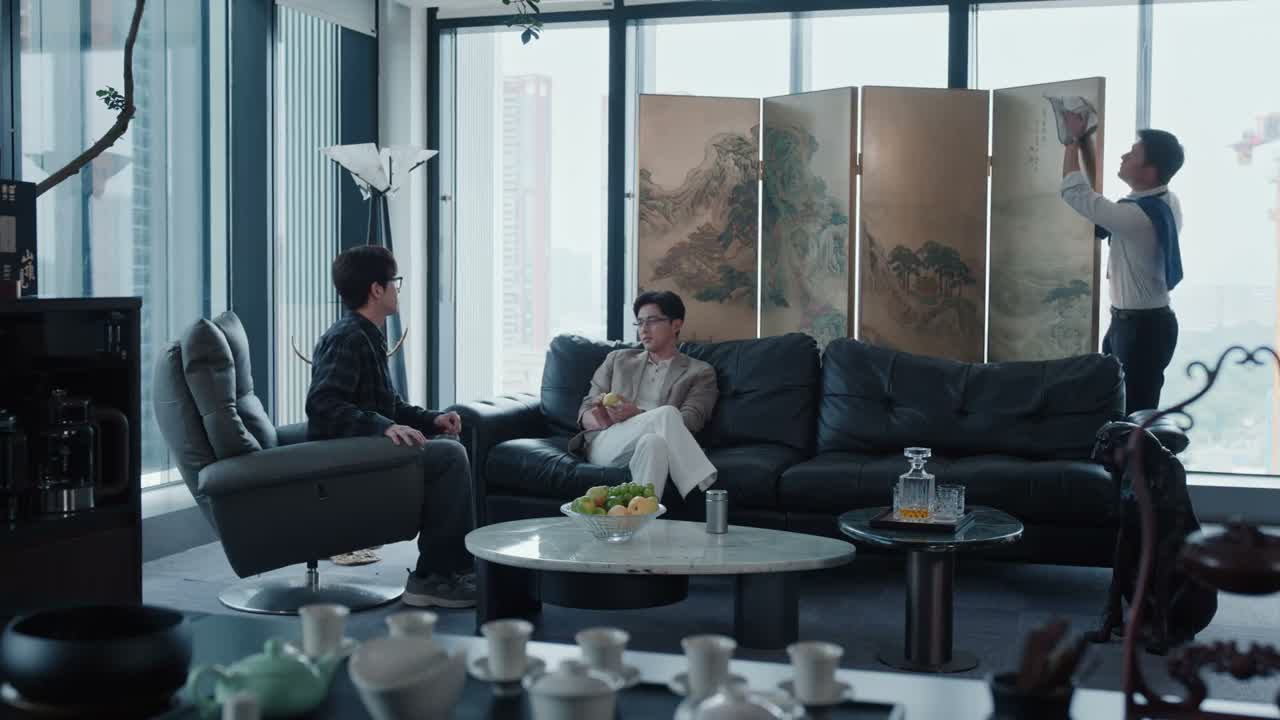
“Don't you have any awareness at all? You can think of it that way.”