MC
MandarinClips Cinema Corpus
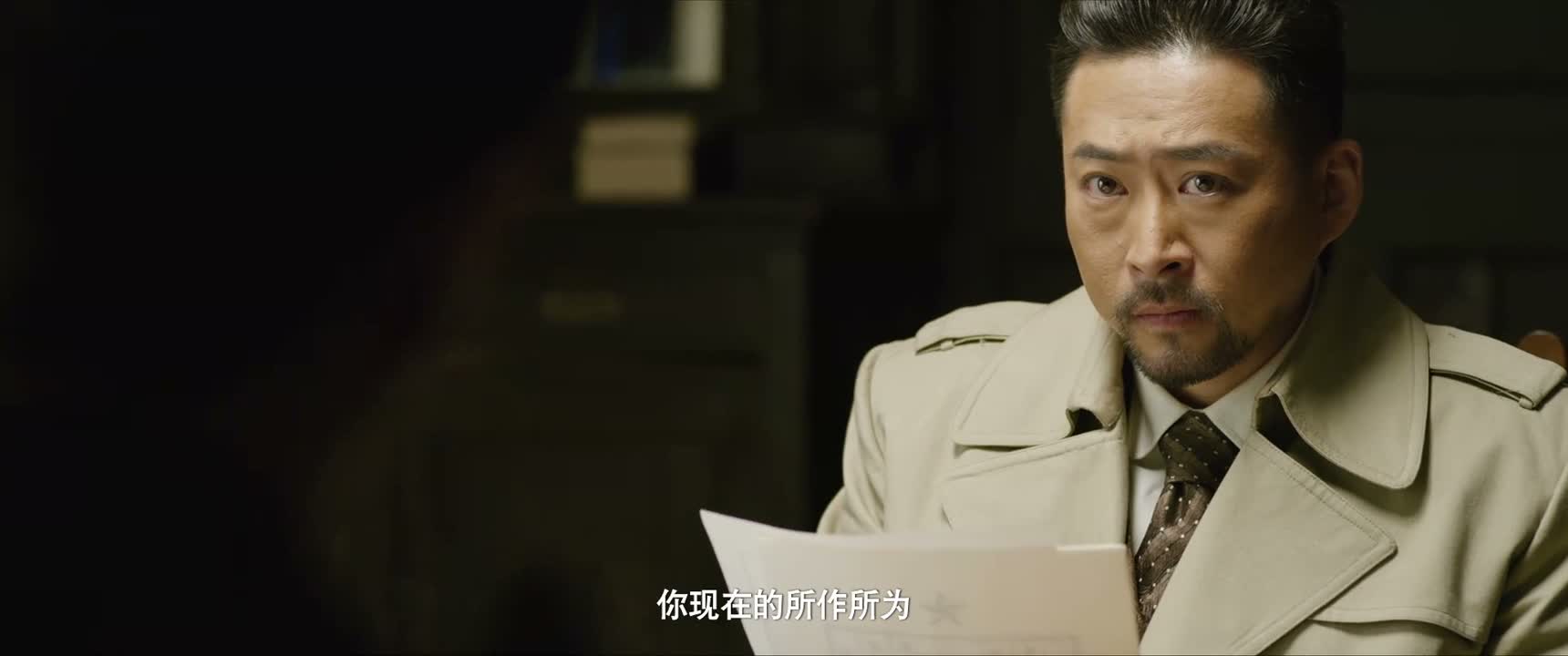
《Dream of Golden Years》 S1·E23 (12:57) HSK 5
nǐ zhī dào nǐ zhè zhǒng xíng wéi jiào shén me ma pèng cí

你知道你这种行为 叫什么吗 碰瓷

“Do you know what that behavior of yours is called? Staging a crash.”

《Dream of Golden Years》 S1·E23
TIMECODE: 12:57 · 1080P MASTER AUDIO

THE DIALOGUE REEL

1+1+1 SPOKEN CONTINUITY
[-1] PREVIOUS TURN nǐ shì gù yì de ba

你是故意的吧

“You did that on purpose, right?”

nǐ zhī dào nǐ zhè zhǒng xíng wéi jiào shén me ma pèng cí CURRENT FOCUS

你知道 你这种行为 叫什么 吗 碰瓷

“Do you know what that behavior of yours is called? Staging a crash.”

[+1] FOLLOW-UP TURN pèng shén me

碰什么

“Staging a what?”

Subtitles synced to millisecond timecode Browse Show Clips →
Scene: Crisis & Conflict
Function: ACCUSATION
Tone: CONFRONTATIONAL
Emotion: INDIGNATION
WHAT THEY REALLY MEAN (PRAGMATIC SUBTEXT)

Direct spoken expression in this communicative setting.

💡 Cultural Insight: Pengci (碰瓷 - Staged Crash Scam)

Originally referring to antique dealers setting up porcelain to be bumped and broken, it now commonly refers to pedestrians faking traffic accidents to extort money from drivers.

INTENT TAGS: #accusation #confrontation #exposure #calling_out
🧩

LEARNING CHUNKS & PARTICLES

2 CHUNKS · 1 PARTICLES
你知道……叫什么吗 SPOKEN CHUNK

Do you know what ... is called?

A rhetorical framing pattern used before delivering an emphatic, often accusatory label.

碰瓷 SPOKEN CHUNK

to stage an accident for extortion / scam

Extremely frequent modern Chinese term for staging an accident (e.g. falling near a car) to demand compensation.

Modal Particle「吗」 (ma) CHANGE OF STATE

Marks the rhetorical question that prepares the listener for the upcoming punchy accusation.
🏮

VOCABULARY & EXPRESSIONS

3 EXPR · 0 GRAMMAR
CROSS-CINEMA CORPUS BOARD · PARALLEL SCENES

Parallel Spoken Cinema Scenes (语义近邻切片)

EXPLORE BY SEMANTIC SIMILARITY
《Dream of Golden Years》 S1·E23 (12:57) · Authentic Cinema Dialogue Corpus