我怎么知道你穿的这个
“How did I know you'd wear this?”
THE DIALOGUE REEL
“I swear on my life, man. I was sleeping when you got up.”
我怎么知道 你穿的 这个
“How did I know you'd wear this?”
“If you can't stand it, there's a clothing store. Go buy a new one.”
“Don't blame me for your outfit problem; it's completely out of my hands.”
Using '我怎么知道' turns an inquiry back onto the accuser, forcefully establishing innocence in casual conflicts.
LEARNING CHUNKS & PARTICLES
How could I have known? / How should I know?
A rhetorical phrase used to deflect blame or express irritation at being questioned.
VOCABULARY & EXPRESSIONS
Parallel Spoken Cinema Scenes (语义近邻切片)

“How does this look on me?”

“Your outfit looks nice.”

“but that color looks great on you.”

“you look pretty nice dressed like this.”
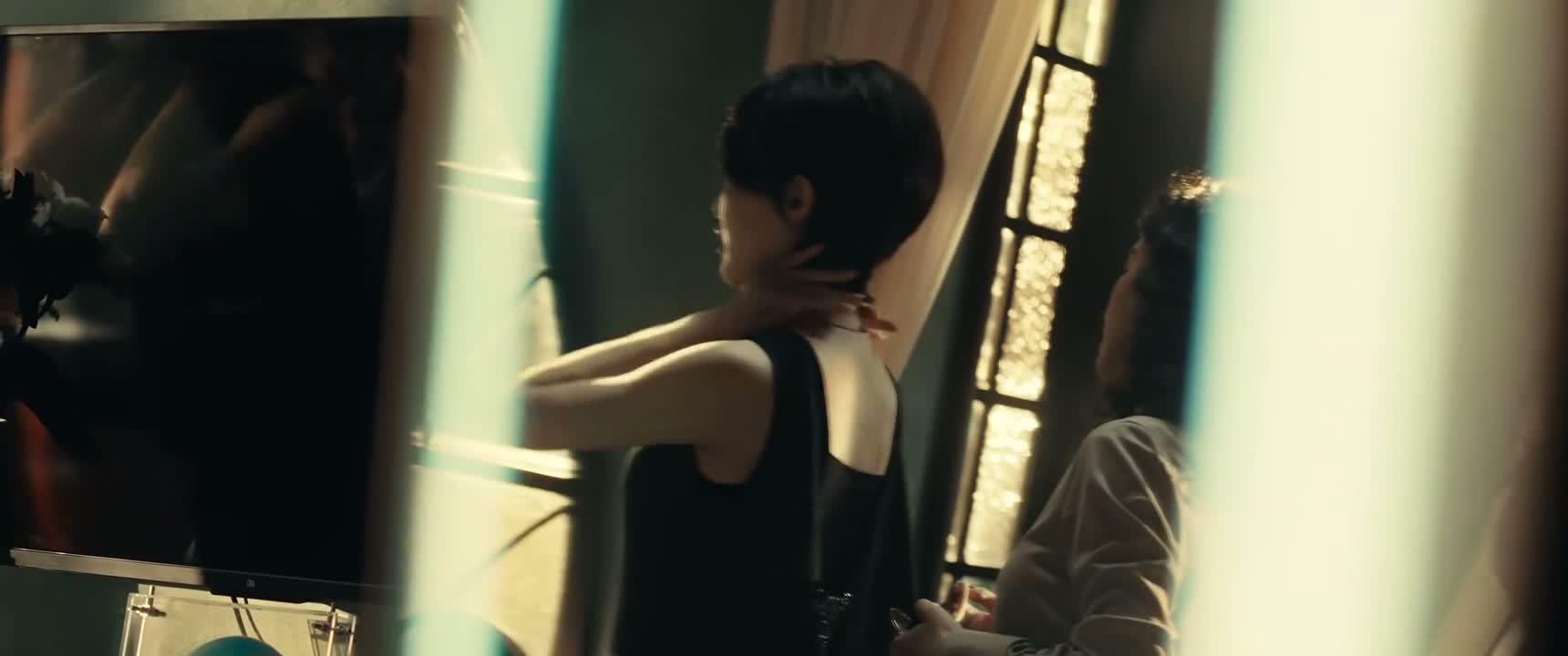
“I wanted to try on outfits and see what works.”

“Anyway, I think you'll definitely look better in that.”