你这话 我就没听明白
“I don't get what you mean.”
THE DIALOGUE REEL
总不能让咱娃 穿着现代的服装 上台去演古代人吧
“We can't just let the kids wear modern clothes to play ancient people on stage, can we?”
你这话 我就 没听明白
“I don't get what you mean.”
那楚嘉禾演穆桂英 戏服就解决了
“If Chu Jiahe plays Mu Guiying, will the issue be solved?”
“I know what you are hinting at, but it makes no sense—spell it out if you dare.”
Saying 'I don't understand' is often a polite yet sharp rhetorical device to make the other person explicitly defend an unreasonable or biased suggestion.
LEARNING CHUNKS & PARTICLES
what you're saying; those words of yours
Used as a topic-fronted phrase to pinpoint and challenge a specific remark.
didn't catch the meaning; failed to understand
Often used diplomatically to feign confusion when actually objecting to a proposal.
VOCABULARY & EXPRESSIONS
Parallel Spoken Cinema Scenes (语义近邻切片)

“I didn't understand this sentence.”
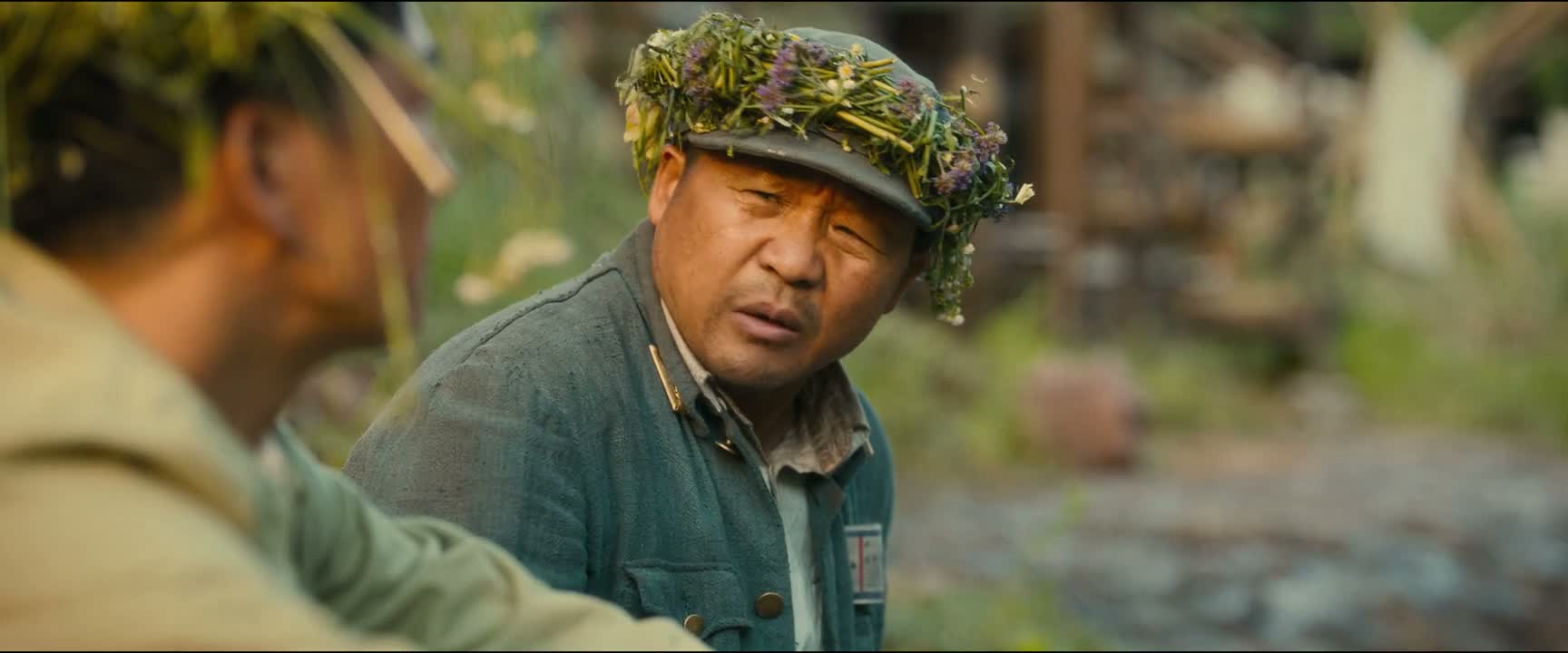
“I didn't understand what you just said.”

“I don't understand a single word.”

“I genuinely don't get what you mean.”

“But I didn't quite understand what she was saying.”

“Um... I didn't understand.”

“Didn't you understand what I meant?”

“I don't quite understand what you just said.”
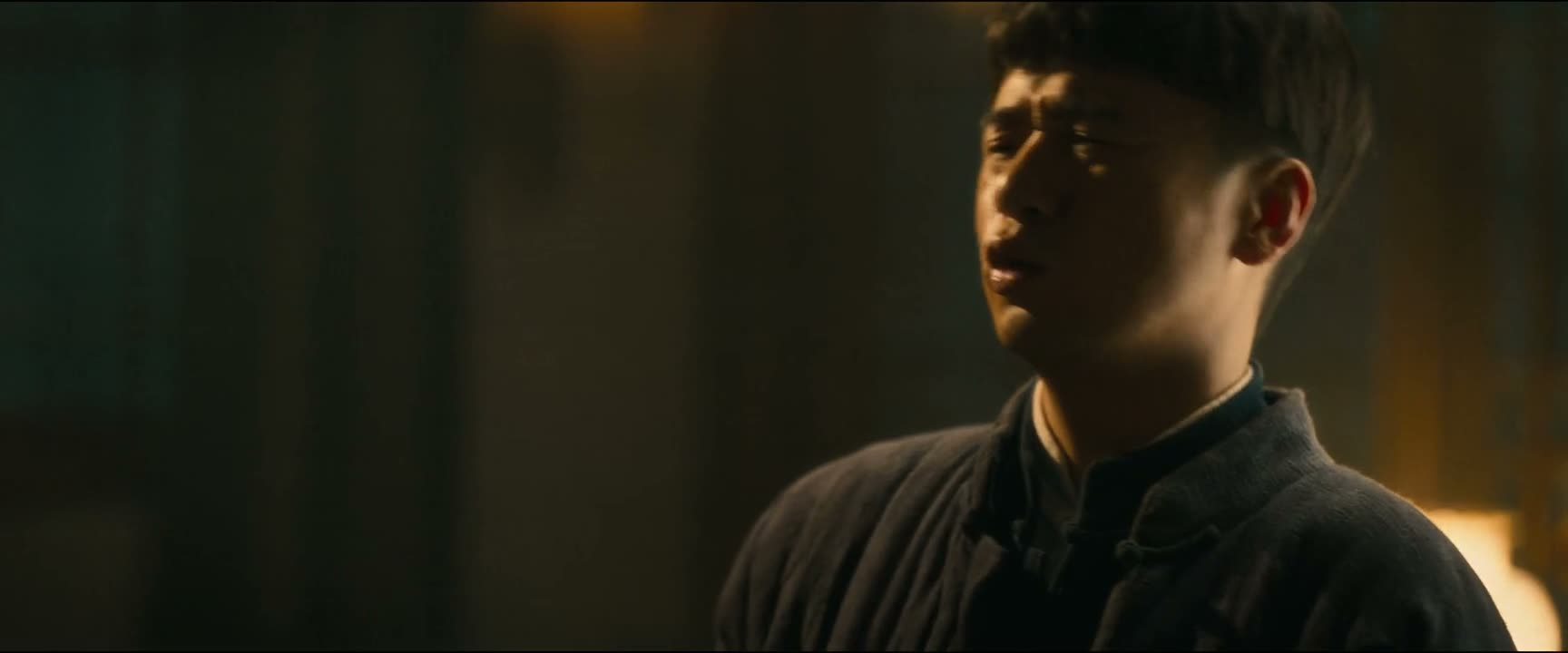
“You're saying things I don't understand again.”