那个 没听懂
“Um... I didn't understand.”
THE DIALOGUE REEL
我就听出一个太好了
“All I caught was "harasho."”
那个 没听懂
“Um... I didn't understand.”
你就是简单说中文
“Could you just speak simple Chinese?”
“You are talking over my head; cut the fancy words and speak plainly.”
Using hesitations like '那个' softens the direct admission of incomprehension, reducing potential awkwardness or loss of face for both speakers.
LEARNING CHUNKS & PARTICLES
did not understand what was said
The standard colloquial resultative complement structure to express auditory incomprehension.
um / well
Widely used as an everyday filler word to pause, soften an awkward statement, or gain thinking time.
VOCABULARY & EXPRESSIONS
Parallel Spoken Cinema Scenes (语义近邻切片)

“I didn't quite understand.”
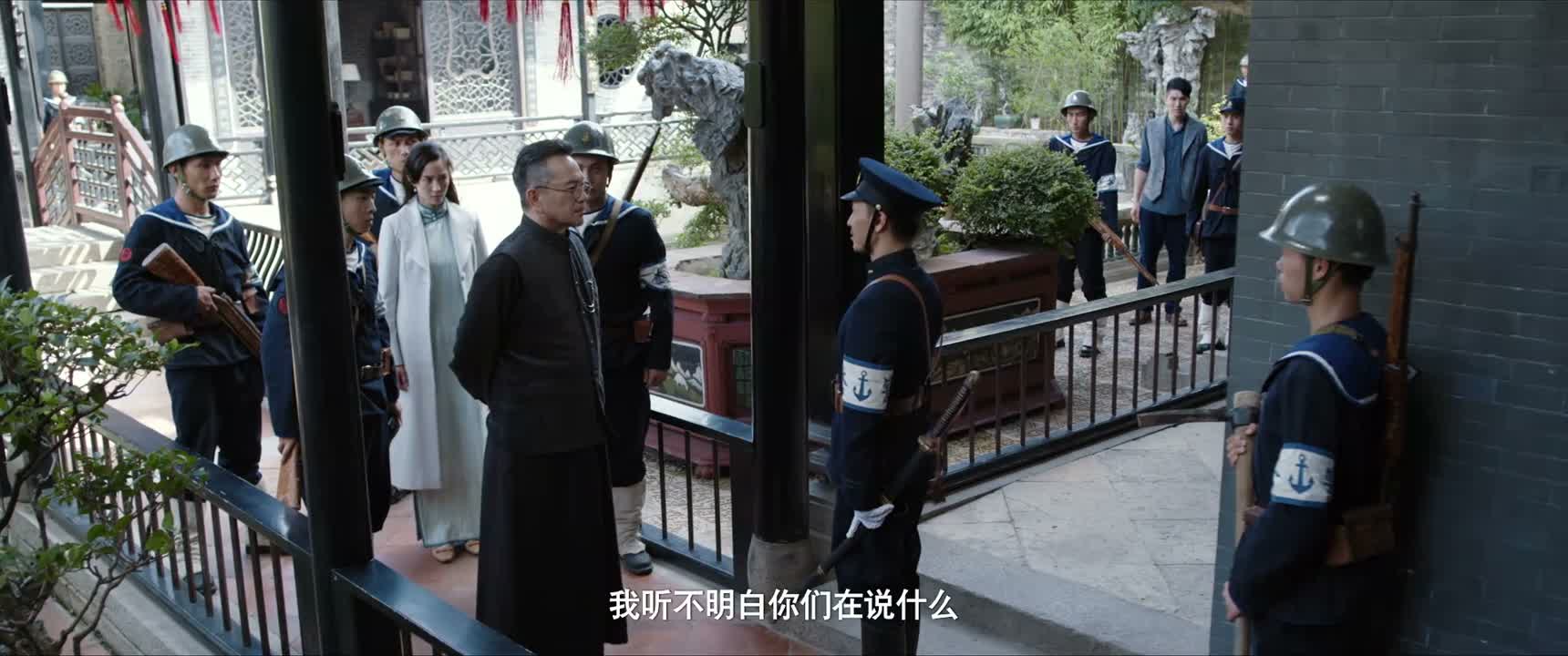
“I don't understand what you're saying”

“Come on. Whoever does well will become permanent.”

“I'm a bit confused.”

“Ms. Li, I'm still a bit confused.”

“Why don't you still understand?”

“I don't get what you mean.”

“Seriously? You can't even handle one old man?”

“still haven't understood what I meant.”

“But I didn't quite understand what she was saying.”

“I couldn't hear clearly what they were saying,”

“But I was too silly to understand what you meant.”