我怎么有点听不明白了呢
“I'm a bit confused.”
THE DIALOGUE REEL
伤口竟然有了愈合之势
“the wound actually showed signs of healing.”
我 怎么 有点 听不明白 了呢
“I'm a bit confused.”
这到底是什么情况
“What exactly is happening?”
“This makes no sense at all; explain yourself.”
Adding '有点' (a bit) softens direct doubt, making the speaker sound contemplative rather than confrontational.
LEARNING CHUNKS & PARTICLES
unable to understand what is being said
A potential complement structure used when spoken content is confusing or hard to follow.
how come it is a bit...
Used to express mild confusion or to hedge an observation about an odd situation.
Enhances the rhetorical quality and highlights the speaker's internal confusion.
VOCABULARY & EXPRESSIONS
Parallel Spoken Cinema Scenes (语义近邻切片)

“I don't quite get it.”

“Ms. Li, I'm still a bit confused.”

“I don't understand a single word.”

“You're not supposed to. Just eat.”

“I don't understand all this nonsense you're saying.”

“Um... I didn't understand.”

“muttering nonsense.”

“I didn't understand your question.”

“I didn't quite understand.”

“I don't understand.”
“I don't understand all this nonsense.”

“I don't quite understand what you just said.”
“You're saying things I don't understand again.”

“No idea, he's mumbling.”
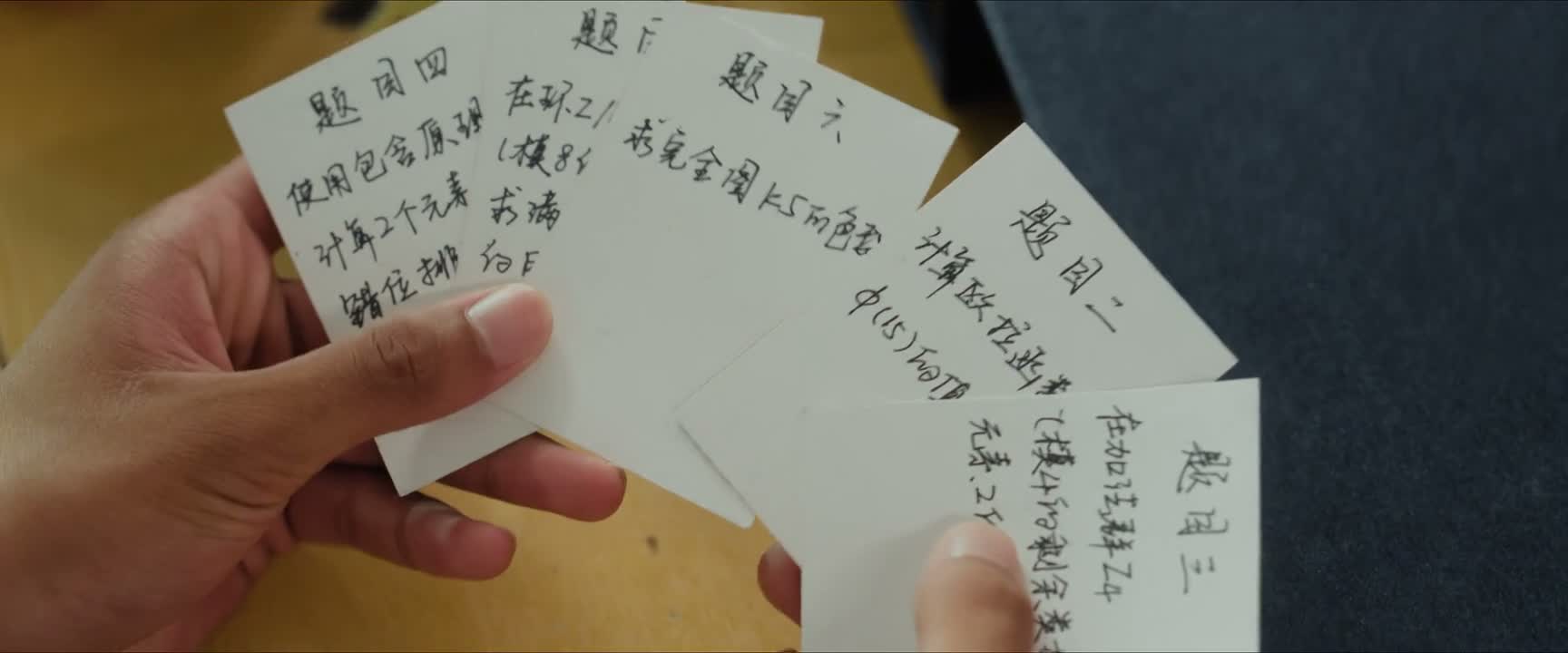
“[Question 1] [Question 2] [Question 3] I can't figure them out.”

“But I was too silly to understand what you meant.”

“I don't understand what you're talking about.”

“I don't understand a single word you're saying.”

“I can't understand what you're saying anymore.”

“No one knows her. Do you understand or not?”

“I'm not sure I follow you.”

“-I don't understand. -Me neither. Speaking English already?”

“I don't understand any of what you're saying.”