我其实有点没太听明白
“Ms. Li, I'm still a bit confused.”
THE DIALOGUE REEL
李镇长
“Ms. Li, I'm still a bit confused.”
我其实 有 点 没 太 听明白
“Ms. Li, I'm still a bit confused.”
“You are not making sense, please explain what is going on.”
In Chinese institutional culture, pointing out that someone explained something poorly causes loss of face, so speakers take the blame on themselves by saying they 'didn't quite understand.'
LEARNING CHUNKS & PARTICLES
somewhat not quite / a bit insufficiently
A double-hedging colloquial phrase used to soften criticism or admission of confusion.
to understand by listening / to grasp what was heard
A standard resultative verb complement phrase essential for checking or confirming comprehension.
VOCABULARY & EXPRESSIONS
Parallel Spoken Cinema Scenes (语义近邻切片)

“I don't quite understand what you're saying.”

“I'm a bit confused.”

“I don't understand a single word.”

“I genuinely don't get what you mean.”

“But I didn't quite understand what she was saying.”

“Um... I didn't understand.”

“I didn't understand your question.”

“I didn't quite understand.”

“I don't quite understand what you just said.”
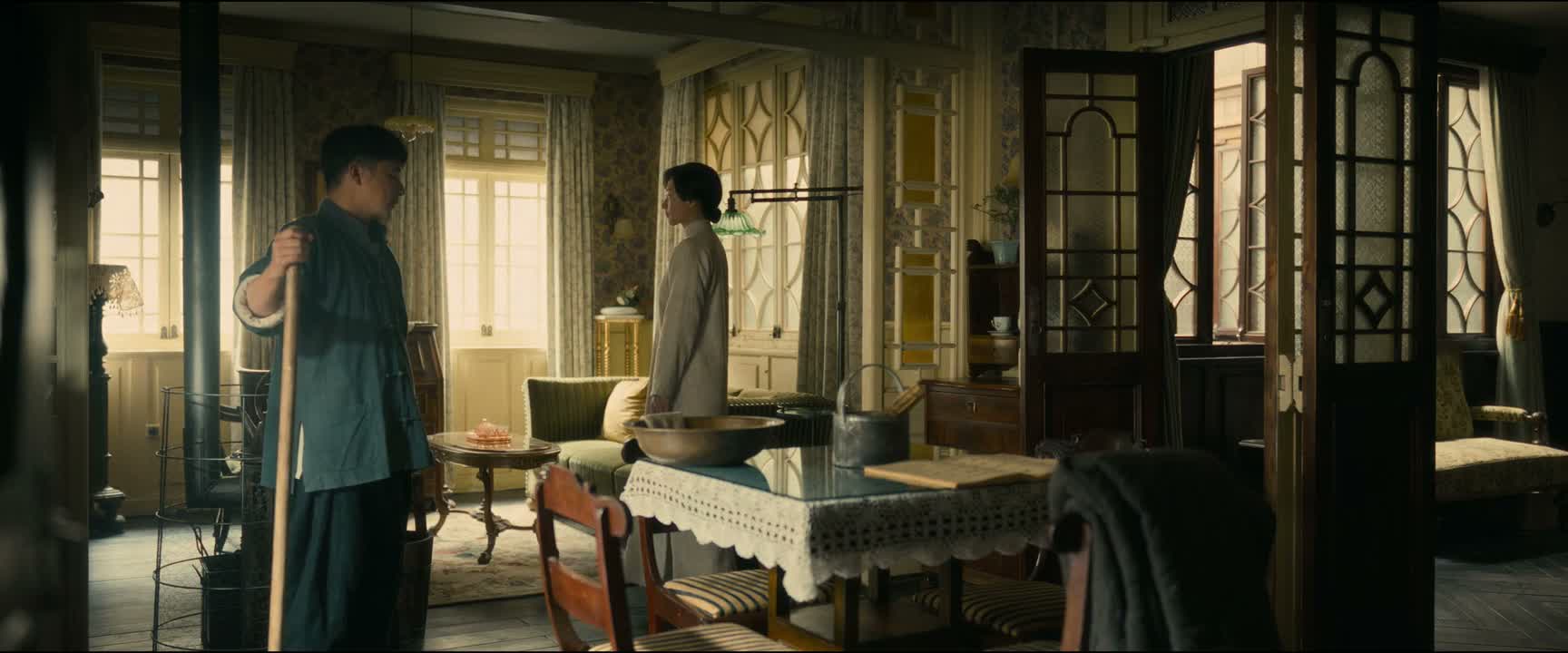
“I just don't understand.”
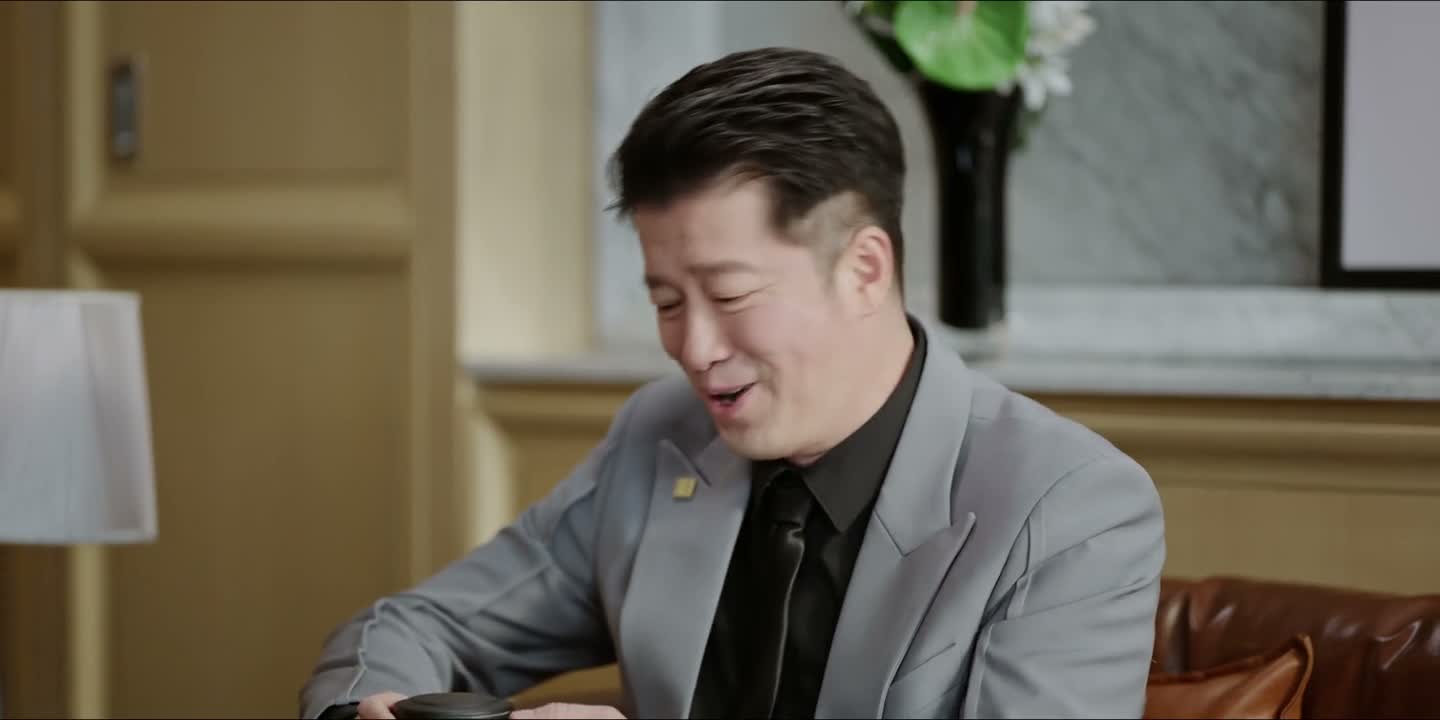
“even I don't quite understand it.”

“I'm not sure I follow you.”

“I don't understand any of what you're saying.”

“Actually, I don't really understand you.”

“still haven't understood what I meant.”
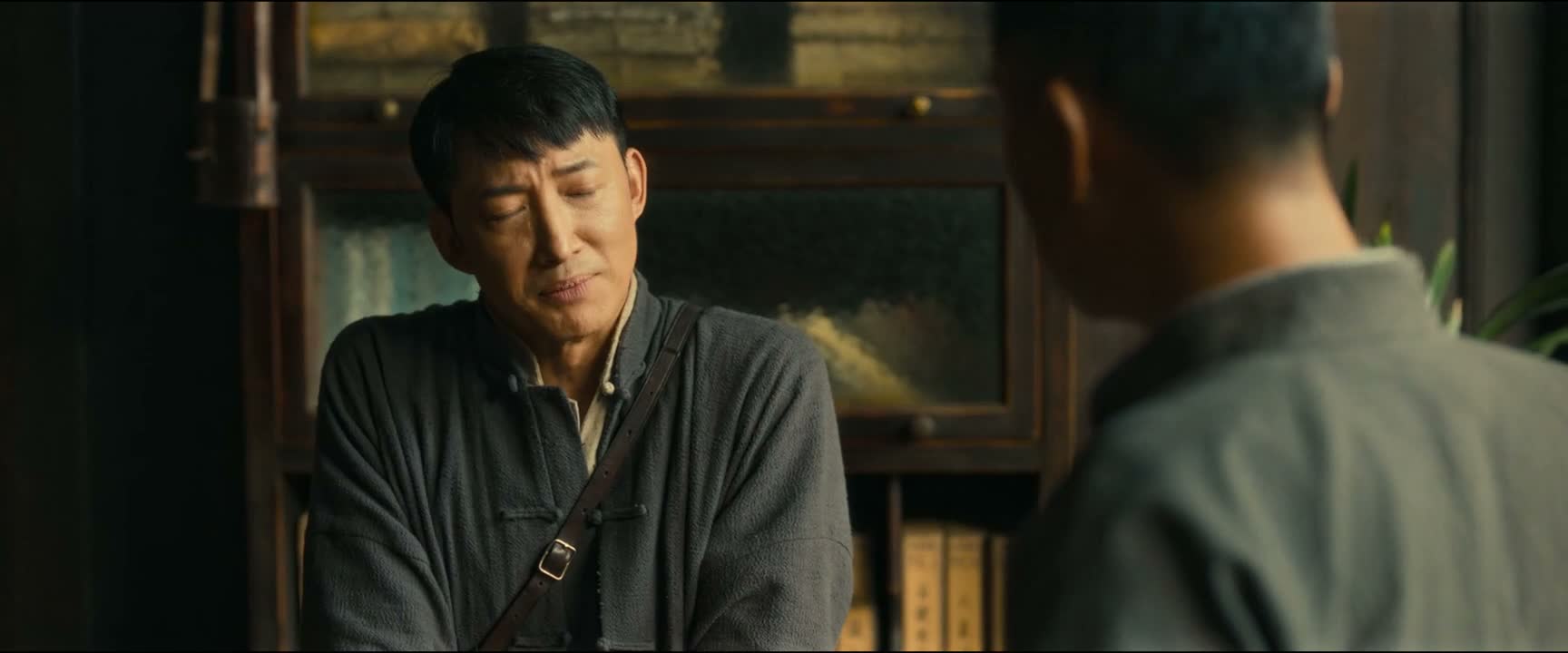
“I don't quite understand them either, and I am still learning.”