我现在已经不吃香菜了
“I no longer eat coriander.”
THE DIALOGUE REEL
师父
“Sir,”
我现在已经 不吃香菜 了
“I no longer eat coriander.”
师父
“Sir,”
“Times have changed, and you don't really know me like you used to.”
In Chinese culture, remembering someone's specific food quirks symbolizes care and intimacy; pointing out an outdated memory subtly underscores emotional distance or temporal change.
LEARNING CHUNKS & PARTICLES
no longer; not anymore
A standard construction to denote the cessation of a previous ongoing action or habitual state.
cilantro; coriander
Essential culinary vocabulary in Chinese dining, frequently mentioned when tailoring noodle or hotpot orders.
Functions as a sentence-final particle indicating a change of state or situation from before.
VOCABULARY & EXPRESSIONS
Parallel Spoken Cinema Scenes (语义近邻切片)

“Like how she doesn't like cilantro”

“Cilantro... I don't eat garlic. I... Useless bunch.”

“You're not eating your instant noodles?”
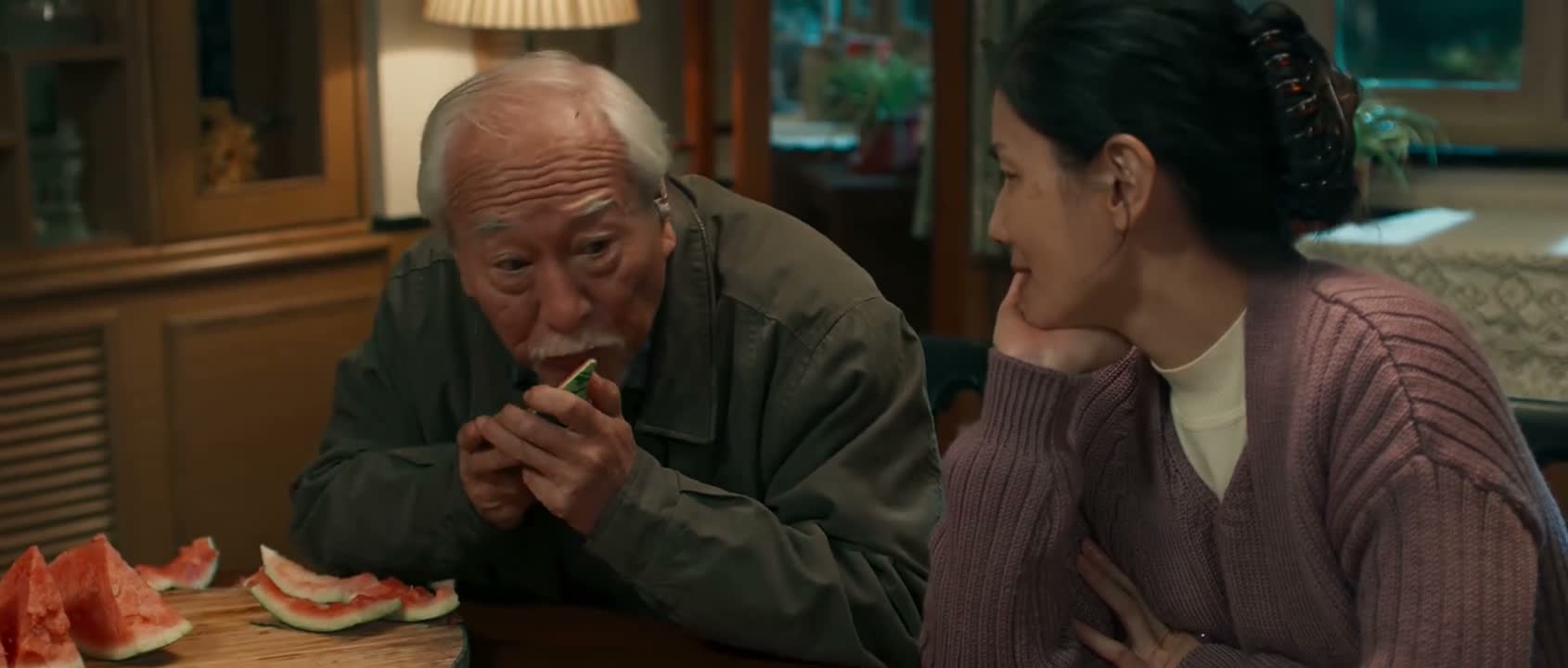
“I really can't eat anymore.”
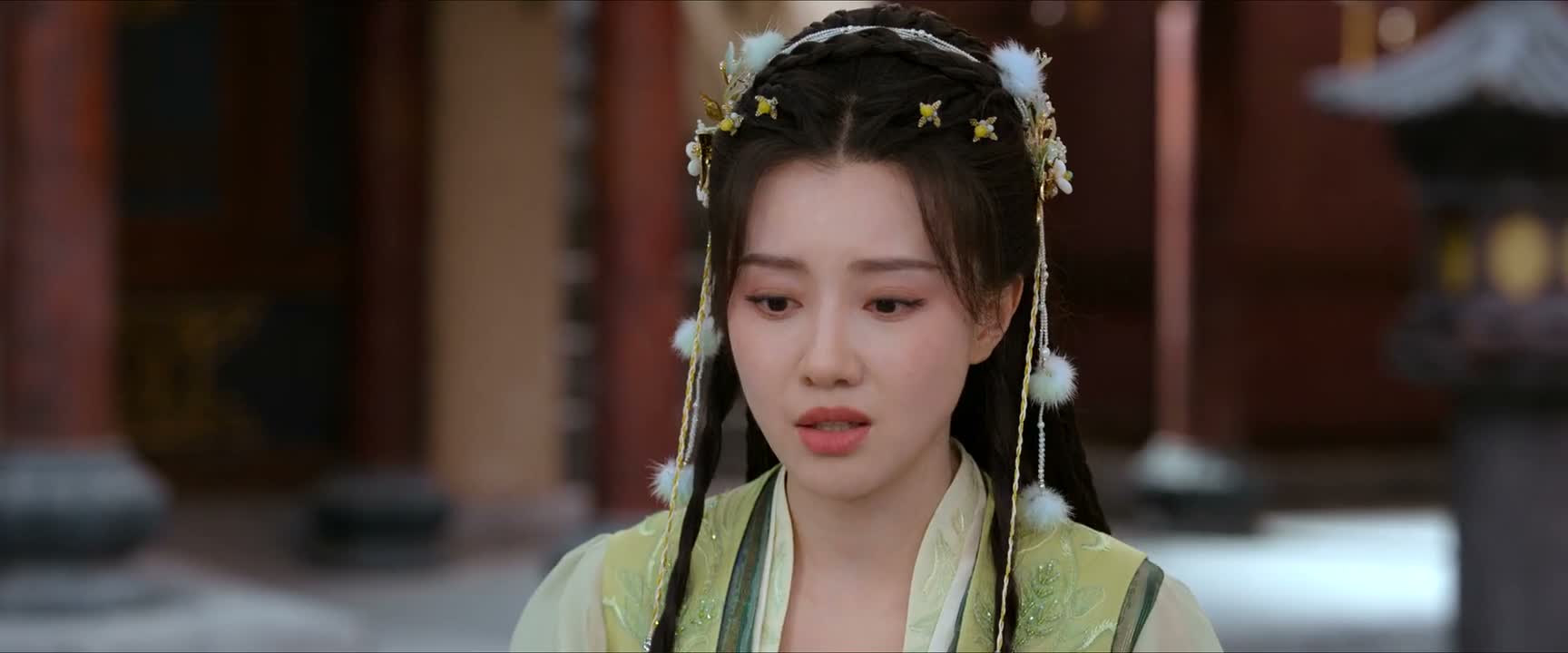
“You don't like cabbage?”
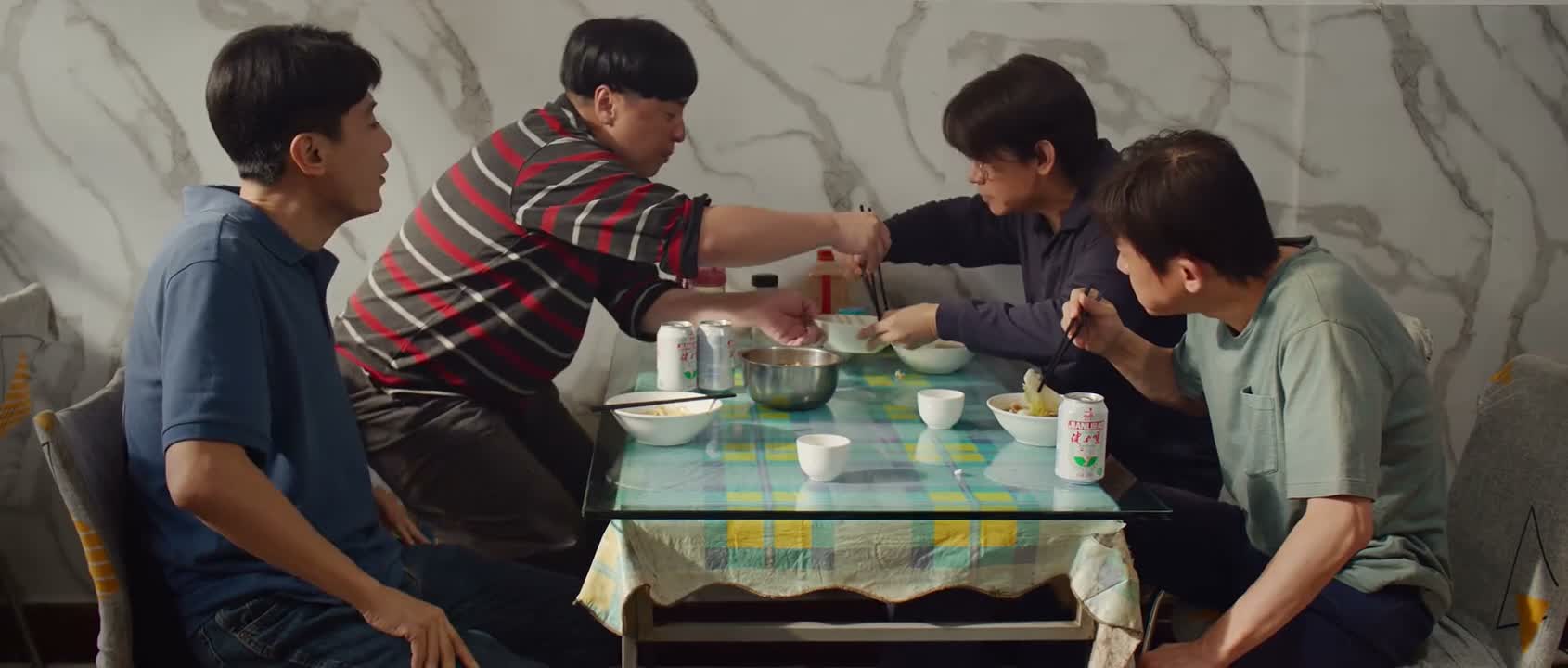
“I was saving that for myself!”