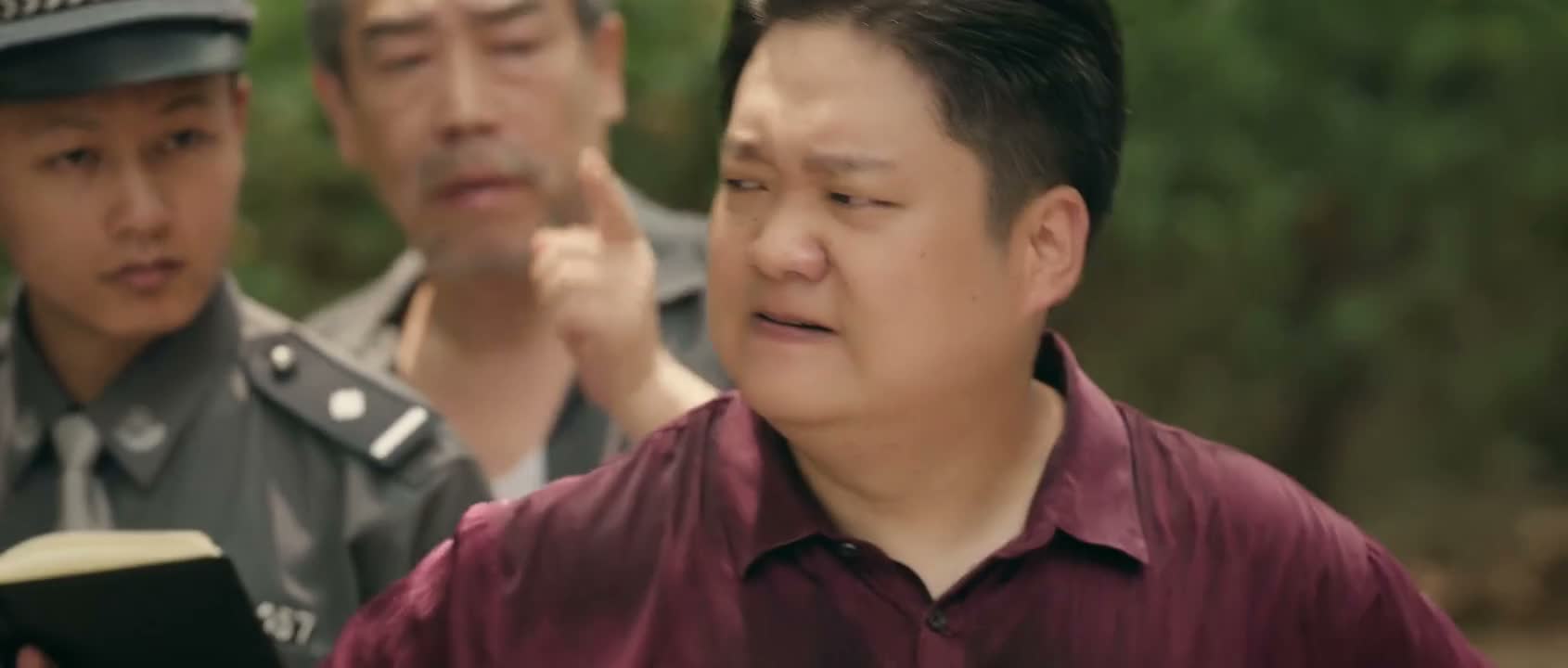
你跟我说 为啥打架呀
“Tell me why you got in a fight.”
THE DIALOGUE REEL
你跟我说 为啥打架 呀
“Tell me why you got in a fight.”
是不是他们欺负你了 肯定是他们的问题
“Did they bully you? It must be their fault. It's not on you.”
Direct spoken expression in this communicative setting.
In intimate relationships, partners often assume immediate protective loyalty, offering gentle comfort before determining the objective facts of a conflict.
LEARNING CHUNKS & PARTICLES
why / for what reason
An informal spoken equivalent of '为什么', common in everyday northern Mandarin speech.
to get into a fistfight / to brawl
Used specifically for physical altercations rather than purely verbal arguments.
Softens the question, conveying tenderness, comfort, and emotional closeness toward the crying partner.
VOCABULARY & EXPRESSIONS
Parallel Spoken Cinema Scenes (语义近邻切片)

“Why did you get into a fight?”

“Why are you beating me? Why?”

“Why did they do this to me?”

“- Don't cross the line. - What's the point of saying all this? Why do you always have to speak so aggressively?”
“Why did you hit him? He abused his power.”