你说 为啥打人家 他公报私仇
“Why did you hit him? He abused his power.”
THE DIALOGUE REEL
你就该打
“You deserve it.”
你说 为啥 打人 家 他 公报私仇
“Why did you hit him? He abused his power.”
公报私仇
“What?”
“He provoked me by misusing his power to target me, so he had it coming.”
In Chinese moral philosophy, mixing public duties (gong) with selfish interests (si) is heavily frowned upon; accusing an opponent of 'gong bao si chou' immediately claims moral high ground.
LEARNING CHUNKS & PARTICLES
to use public office to avenge a private grudge; to settle personal scores under official cover
A high-frequency four-character idiom (chengyu) commonly used to condemn bosses or peers who abuse rules or power for personal spite.
hit someone; hit him/her
'Renjia' is colloquially used here to refer to a third party involved in the dispute.
VOCABULARY & EXPRESSIONS
Parallel Spoken Cinema Scenes (语义近邻切片)

“Why are you beating me? Why?”

“Why did they do this to me?”

“Song's rival. But why?”
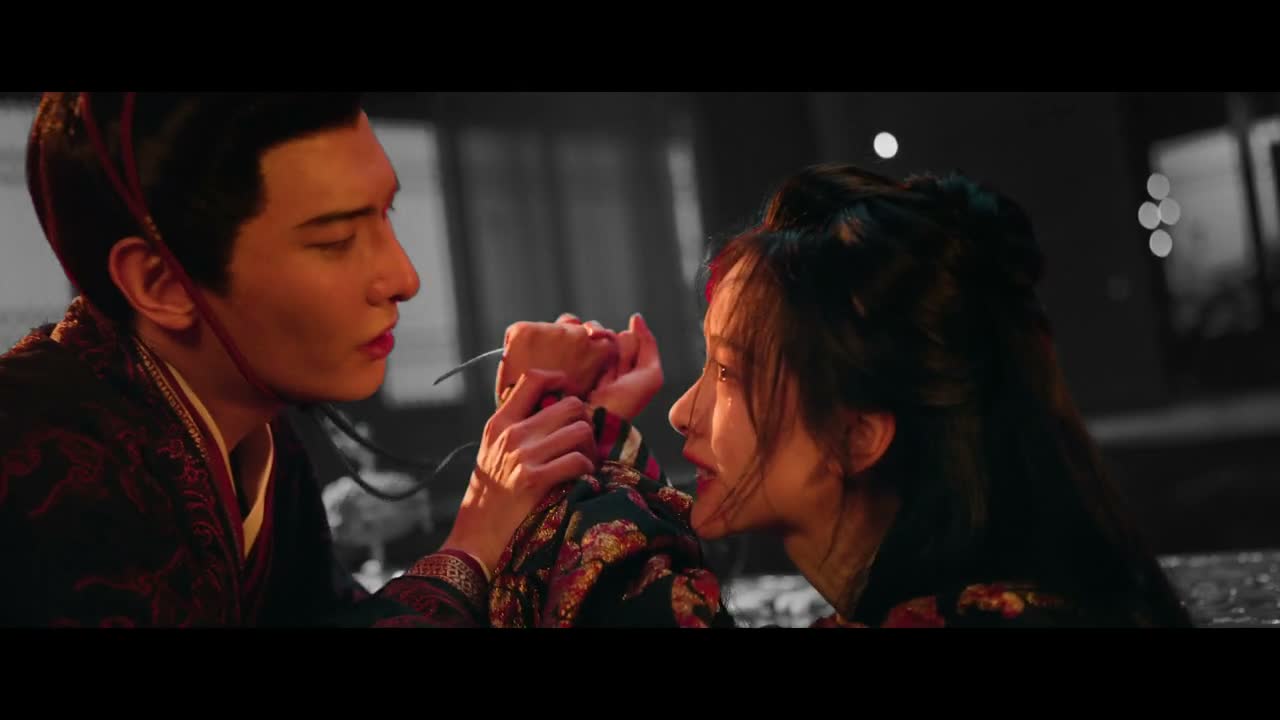
“Why did you do this to me? Why?”
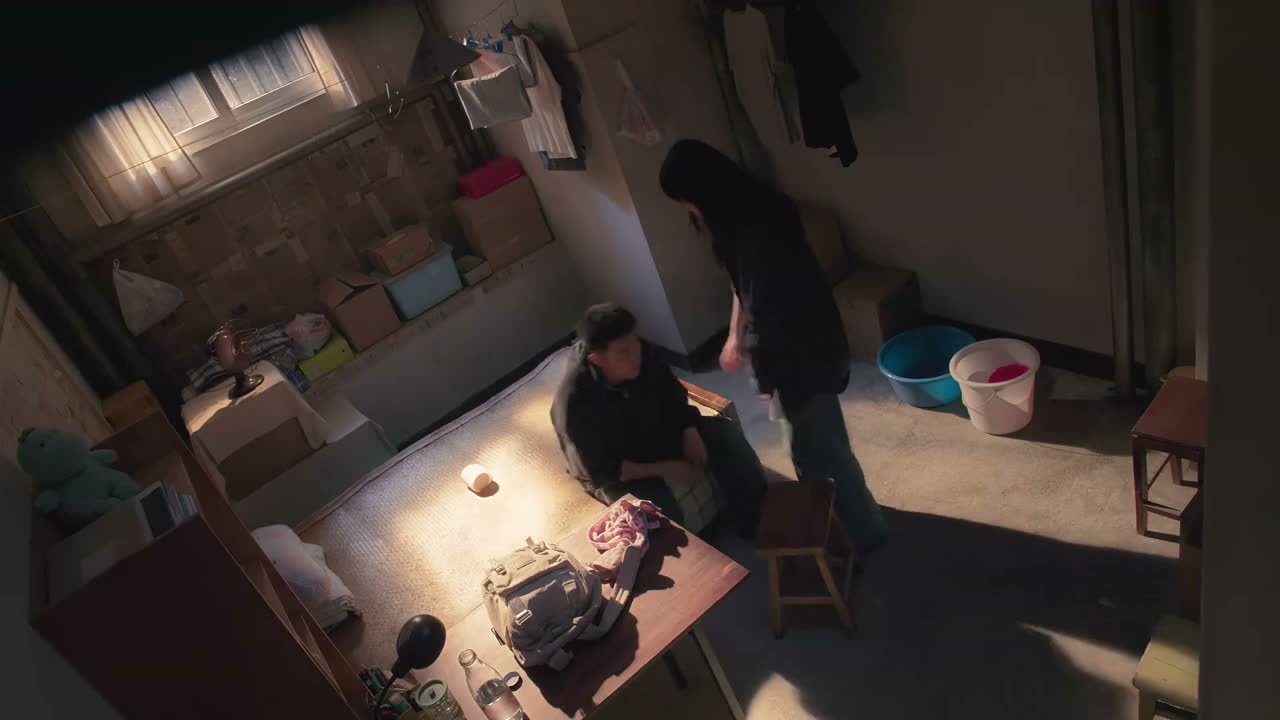
“Tell me why you got in a fight.”