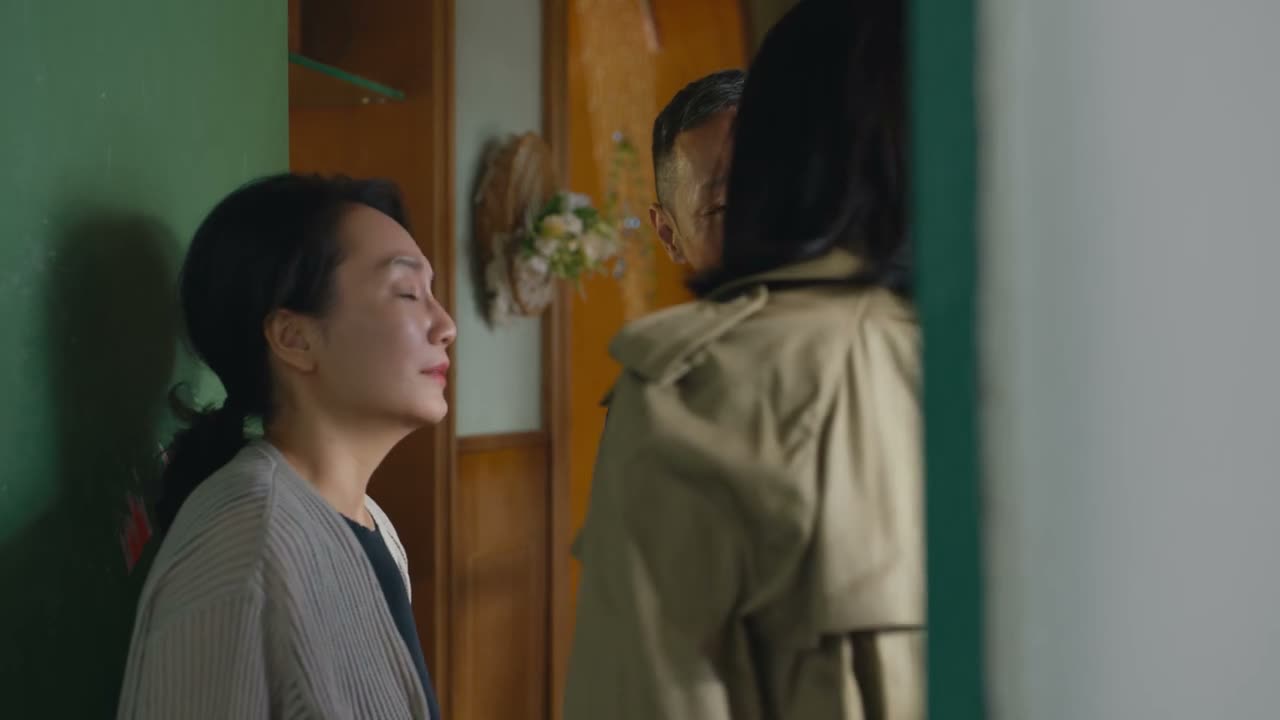
你怎么回来也不说一声啊
“Why didn't you tell me you came back?”
THE DIALOGUE REEL
《盛世华章迎新春》
“(Now enjoy the performance "Splendid Chapter Welcomes the New Spring".)”
你 怎么回 来 也不说一声 啊
“Why didn't you tell me you came back?”
我去你家发现电视在门口 我就猜你肯定回来了
“I went to your place and found the TV set outside your door, so I guessed you have come back.”
“You surprised me! You really should have let me know you were coming home.”
In close Chinese relationships, expressing mild complaint or pseudo-scolding often signifies genuine intimacy, care, and closeness rather than true anger.
LEARNING CHUNKS & PARTICLES
not even giving a heads-up / without even saying a word
Commonly used in spoken Chinese to express mild complaint when someone fails to notify others beforehand.
Softens the rhetorical question into a friendly, affectionate remark rather than a harsh accusation.
VOCABULARY & EXPRESSIONS
Parallel Spoken Cinema Scenes (语义近邻切片)

“That is not very nice of you. You came back without telling us.”

“You brat, you didn't even say you were coming back.”
“You didn't even tell us you were coming back.”

“You didn't tell me you were coming back for dinner.”