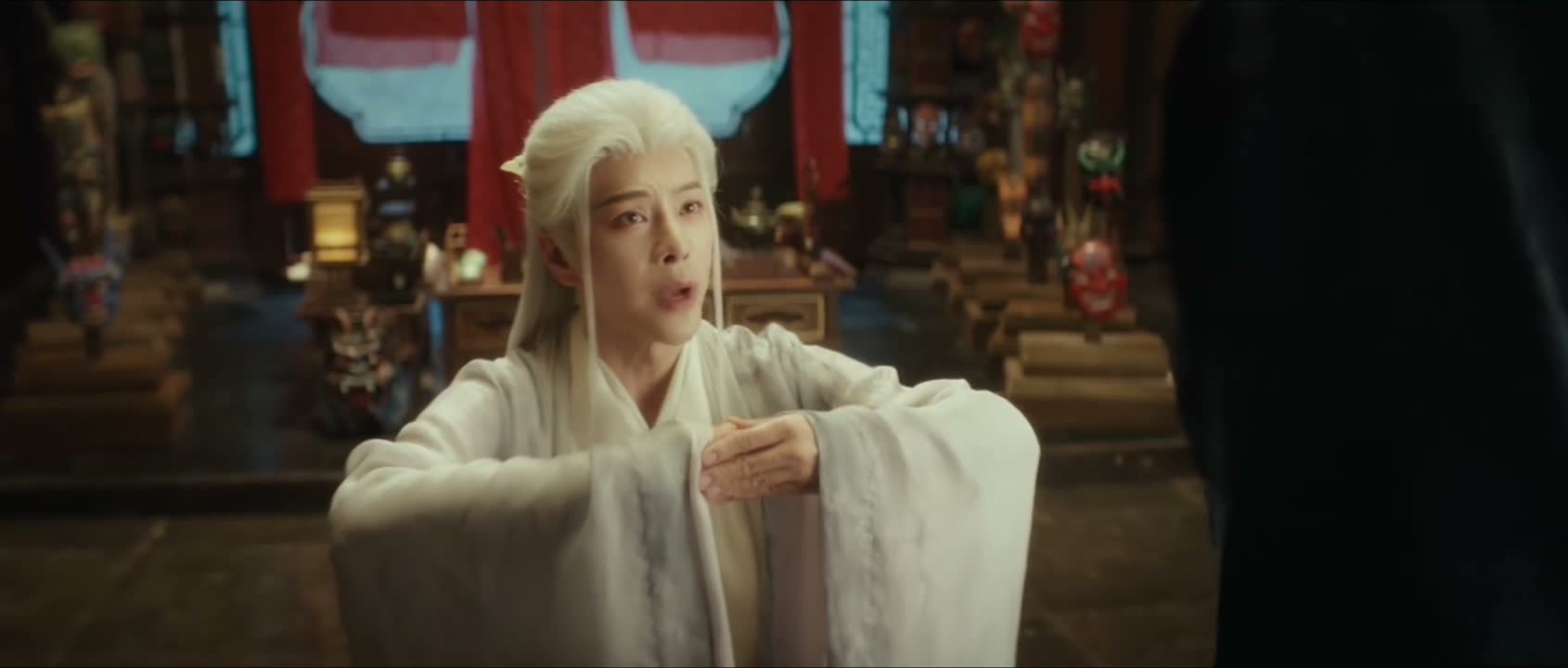
《Love Story in the 1970s》 S1·E26 (12:23)
HSK 1
hái yào chuán gěi wǒ men de hái zi
还要传给我们的孩子
“We'll pass it on to our children.”
《Love Story in the 1970s》
S1·E26
TIMECODE: 12:23
·
1080P MASTER AUDIO
THE DIALOGUE REEL
[-1] PREVIOUS TURN
shì a
是啊
“Yes.”
hái yào chuán gěi wǒ men de hái zi
CURRENT FOCUS
还要 传给 我们的孩子
“We'll pass it on to our children.”
[+1] FOLLOW-UP TURN
fāng mù yáng
方穆扬
“Fang Muyang,”
Subtitles synced to millisecond timecode
Browse Show Clips →
Scene:
Social & Dating
Function:
EXPRESSING COMMITMENT
Tone:
TENDER
Emotion:
AFFECTION
WHAT THEY REALLY MEAN (PRAGMATIC SUBTEXT)
Direct spoken expression in this communicative setting.
💡 Cultural Insight: Family Lineage and Generational Continuity
In Chinese culture, bringing up 'our children' in romance signifies a profound long-term commitment and family-oriented vision.
INTENT TAGS:
#commitment
#romance
#future_planning
#affection
🧩
1 CHUNKS · 0 PARTICLES
LEARNING CHUNKS & PARTICLES
传给
SPOKEN CHUNK
to pass down to; to hand down
Commonly used when referring to passing heirlooms, values, or traditions to the younger generation.
🏮
2 EXPR · 0 GRAMMAR
VOCABULARY & EXPRESSIONS
COLLOQUIAL EXPRESSIONS:
CROSS-CINEMA CORPUS BOARD · PARALLEL SCENES
EXPLORE BY SEMANTIC SIMILARITY
Parallel Spoken Cinema Scenes (语义近邻切片)

《Love Story in the 1970s》 S1·E26 (12:23) · Authentic Cinema Dialogue Corpus