她不来送我 就不来送呗
“It's okay if she doesn't come to see me off.”
THE DIALOGUE REEL
没事
“It's nothing.”
她 不来送 我 就 不来送 呗
“It's okay if she doesn't come to see me off.”
我是说
“I meant,”
“I act like I don't care, but I am actually really hurt that she didn't show up.”
Expressing hurt directly can make one look vulnerable or needy; Chinese speakers often deploy dismissive particles like '呗' to mask emotional dependency.
LEARNING CHUNKS & PARTICLES
see me off / walk me out
Used when someone accompanies another to a departure point like a station, airport, or doorway.
if (someone) doesn't come, so be it
A colloquial structure used to express nonchalance or forced acceptance of an unfavorable outcome.
Conveys an attitude of resigned acceptance or feigned casual indifference.
VOCABULARY & EXPRESSIONS
Parallel Spoken Cinema Scenes (语义近邻切片)

“I'd also go see you off.”
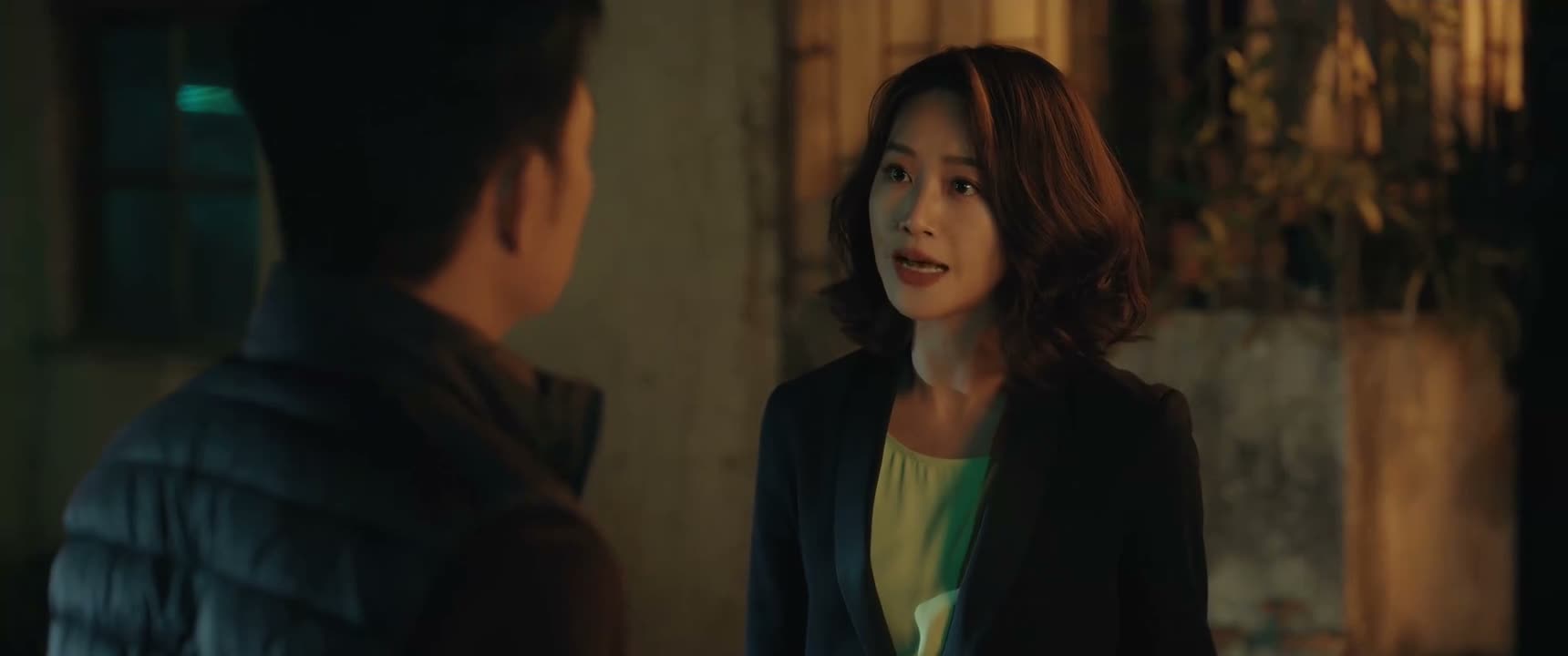
“Why didn't you come to me? You sent the driver to deliver things.”

“I won't see you out. It's alright.”

“I once told you to give me some, but you refused. Why are you being so generous now? [Liverpool vs. Inter Milan]”

“Given your identity, you needn't come.”
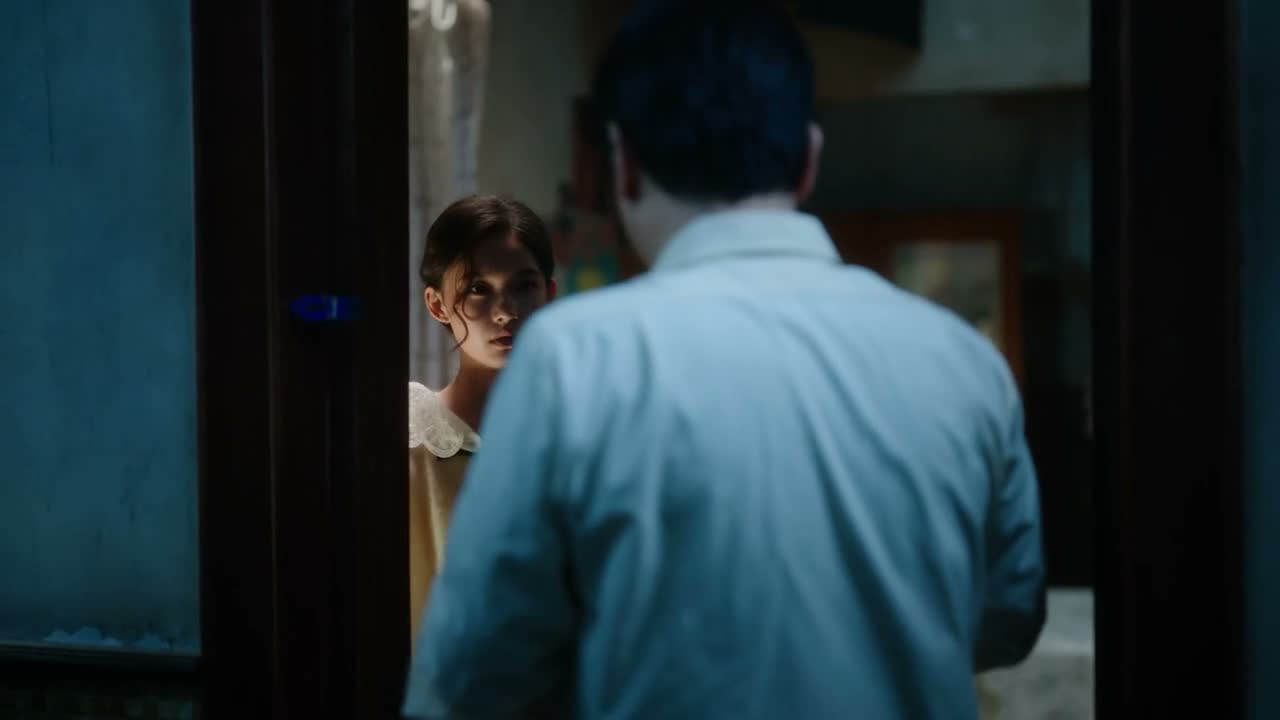
“you're here to bring me things again?”