就没想过要做回自己吗
“You never thought about being yourself again?”
THE DIALOGUE REEL
“All these years, you've been using someone else's name and identity.”
就 没想过要做回自己 吗
“You never thought about being yourself again?”
不管是文毓秀也好
“Whether it's Wen Yuxiu or Zhou Yun,”
“Aren't you tired of living a lie and hiding who you really are?”
In contemporary Chinese dramatic discourse, invoking 'being oneself' serves as a moral appeal against living under duplicity, highlighting inner integrity.
LEARNING CHUNKS & PARTICLES
to return to being oneself; to reclaim one's true identity
A common emotional expression used when advising someone to drop a facade or regain authenticity.
haven't you ever considered / haven't you thought of
Used at the start of a rhetorical question to express surprise, skepticism, or challenge.
Marks a rhetorical question that carries a critical or confrontational tone.
VOCABULARY & EXPRESSIONS
Parallel Spoken Cinema Scenes (语义近邻切片)
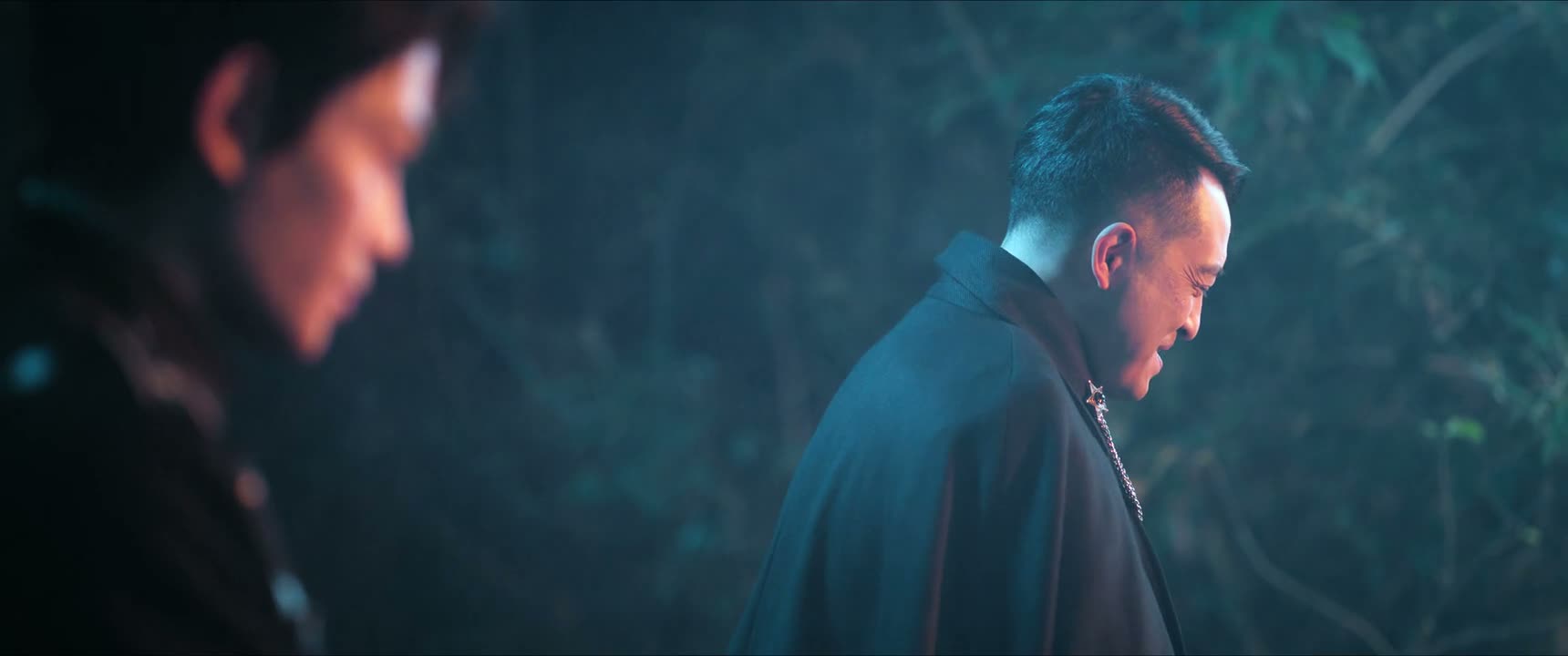
“You thought you had made your choice,”
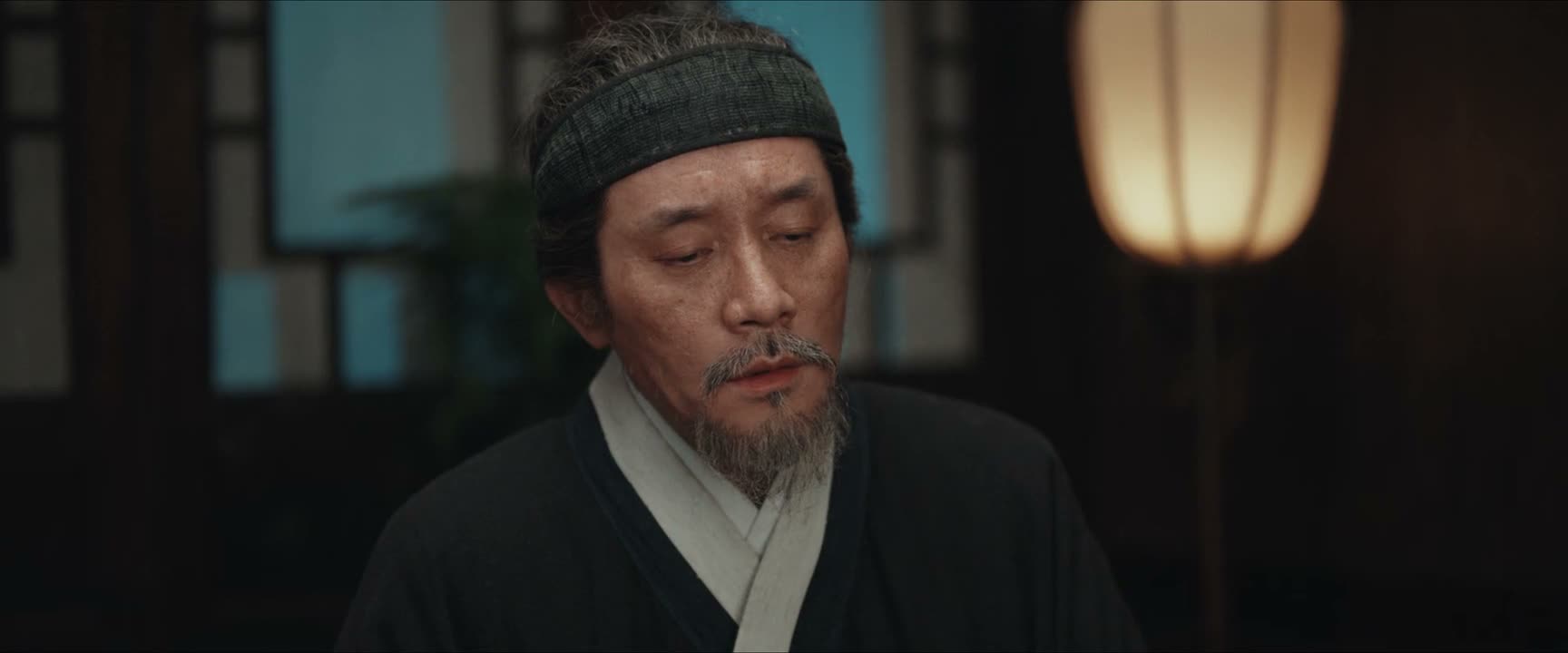
“Looking back now,”

“Did you ever feel any regret?”
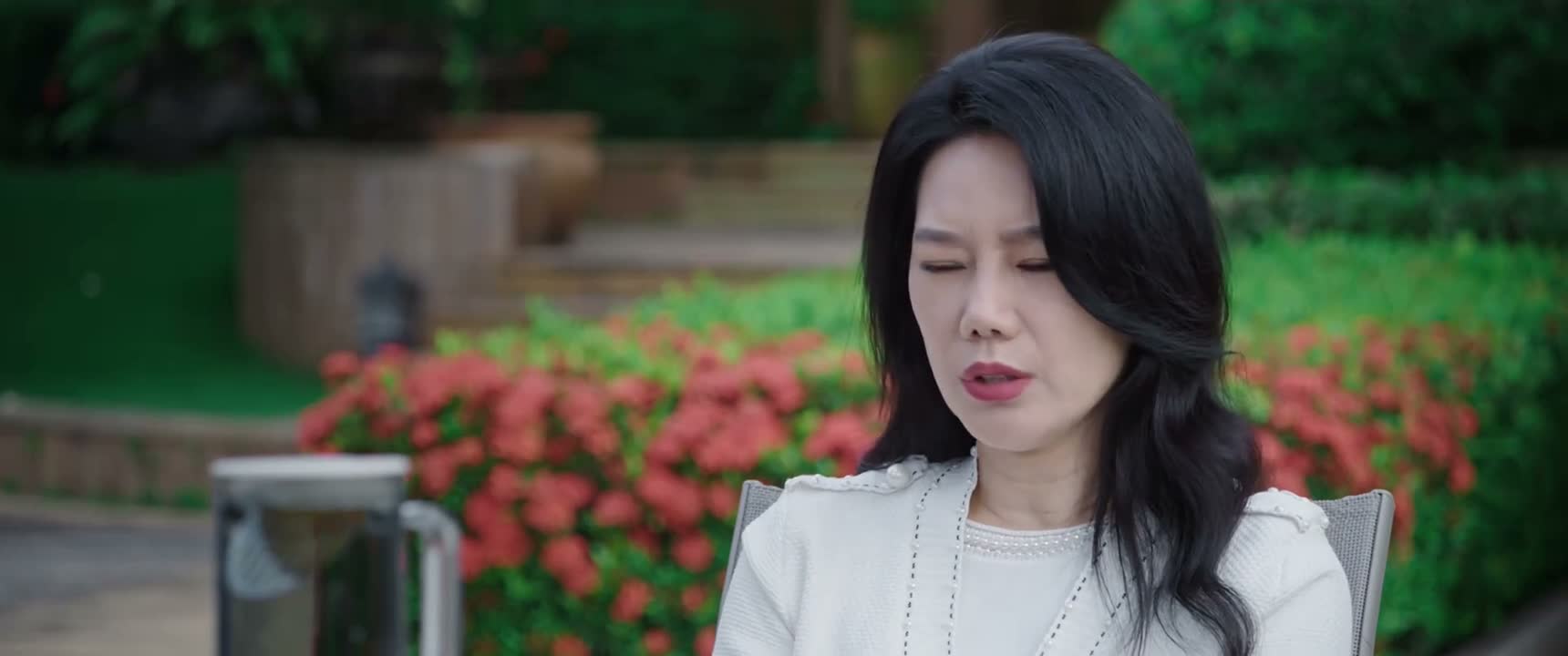
“I genuinely never considered it.”

“I've regretted it many times.”
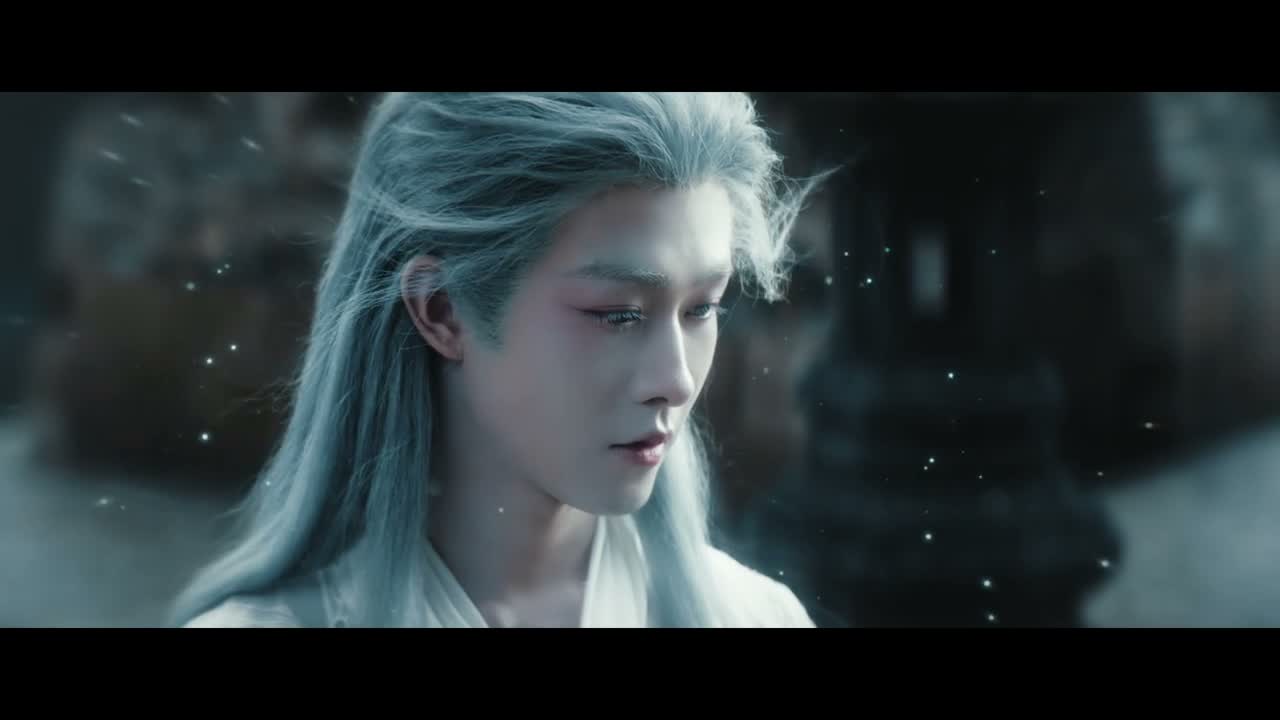
“Do you want to start over?”