《The Glamorous Night》 S1·E2 (24:11)
HSK 3
zhè xiē rén shì bú shì chī bǎo le fàn méi shì gàn
这些人是不是吃饱了饭没事干
“(Don't these people have anything better to do?)”
《The Glamorous Night》
S1·E2
TIMECODE: 24:11
·
1080P MASTER AUDIO
THE DIALOGUE REEL
[-1] PREVIOUS TURN
wǒ men gōng sī zhè me yǒu míng ma
我们公司这么有名吗
“(Is our company that famous?)”
zhè xiē rén shì bú shì chī bǎo le fàn méi shì gàn
CURRENT FOCUS
这些人 是不是 吃饱了饭没事干
“(Don't these people have anything better to do?)”
[+1] FOLLOW-UP TURN
zhè shì jiè shàng nà me duō hóng shuǐ gān hàn dǎ zhàng dōu bù guān zhù
这世界上 那么多洪水 干旱 打仗 都不关注
“(They don't care about floods, droughts,) (or wars,)”
Subtitles synced to millisecond timecode
Browse Show Clips →
Scene:
Workplace
Function:
EXPRESSING CONTEMPT
Tone:
DISMISSIVE
Emotion:
ANNOYANCE
WHAT THEY REALLY MEAN (PRAGMATIC SUBTEXT)
“These busybodies need to mind their own business instead of targeting our company.”
💡 Cultural Insight: Full Bellies and Idleness
In Chinese culture, having enough food was historically a primary struggle; criticizing someone as 'having eaten to fullness with nothing to do' suggests they are wasting prosperity on frivolous or malicious troublemaking.
INTENT TAGS:
#dismissal
#venting
#contempt
#criticism
🧩
1 CHUNKS · 0 PARTICLES
LEARNING CHUNKS & PARTICLES
吃饱了没事干
SPOKEN CHUNK
having nothing better to do; meddling out of boredom
A highly common colloquial idiom used to harshly criticize someone for doing pointless, intrusive, or annoying things.
🏮
2 EXPR · 1 GRAMMAR
VOCABULARY & EXPRESSIONS
COLLOQUIAL EXPRESSIONS:
GRAMMAR BLUEPRINTS:
CROSS-CINEMA CORPUS BOARD · PARALLEL SCENES
EXPLORE BY SEMANTIC SIMILARITY
Parallel Spoken Cinema Scenes (语义近邻切片)
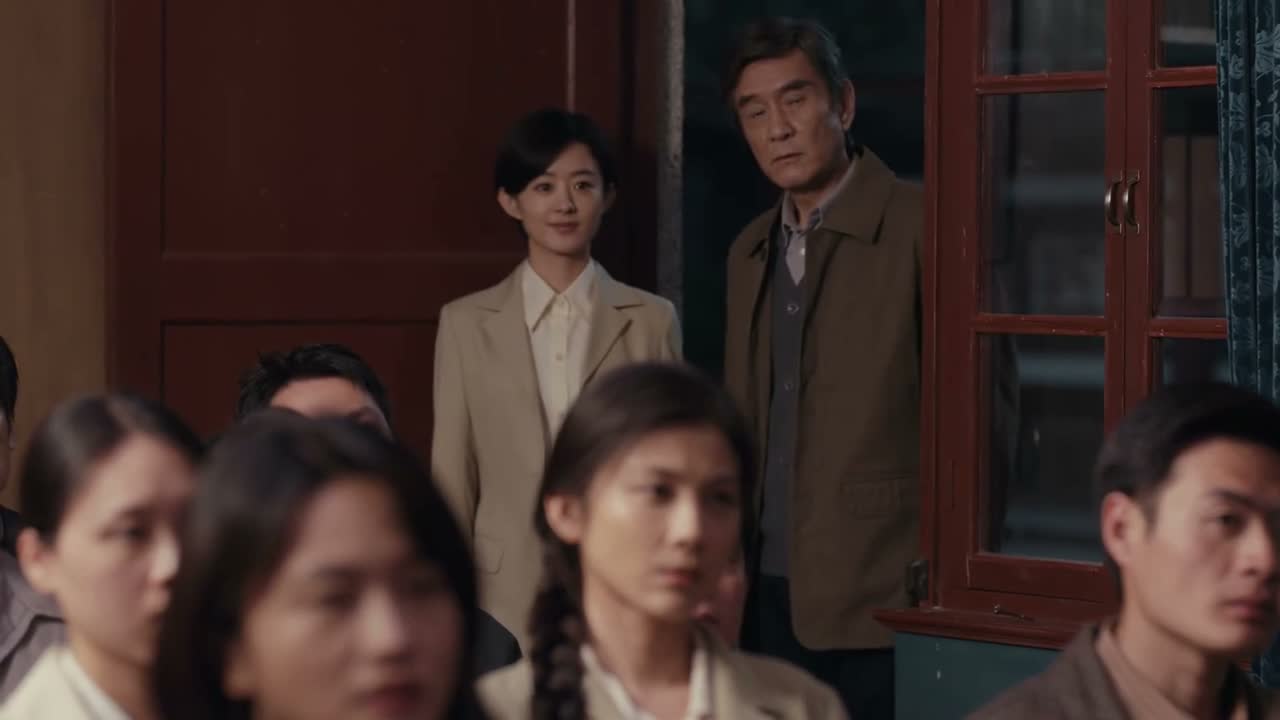
《The Glamorous Night》 S1·E2 (24:11) · Authentic Cinema Dialogue Corpus