对不对得起他身上这些伤
“and ask yourselves if your consciences can bear it.”
THE DIALOGUE REEL
“If you want to take his life, look at those wounds”
对不对 得起他身上这些伤
“and ask yourselves if your consciences can bear it.”
“Are we to kill a man who saved General Chu,”
“Look at what he suffered for us; how dare you betray him over mere gossip?”
In Chinese moral culture, physical battle scars represent supreme sacrifice and loyalty, placing a heavy moral debt on those protected.
LEARNING CHUNKS & PARTICLES
whether it is worthy of / does justice to
A common rhetorical structure used to appeal to someone's conscience regarding sacrifices made.
these wounds on his body
Used literally or metaphorically to highlight visible scars and sacrifices.
VOCABULARY & EXPRESSIONS
Parallel Spoken Cinema Scenes (语义近邻切片)

“it would be unfair to what he suffered.”

“and looks like he's badly hurt,”

“Your wounds keep flaring up.”
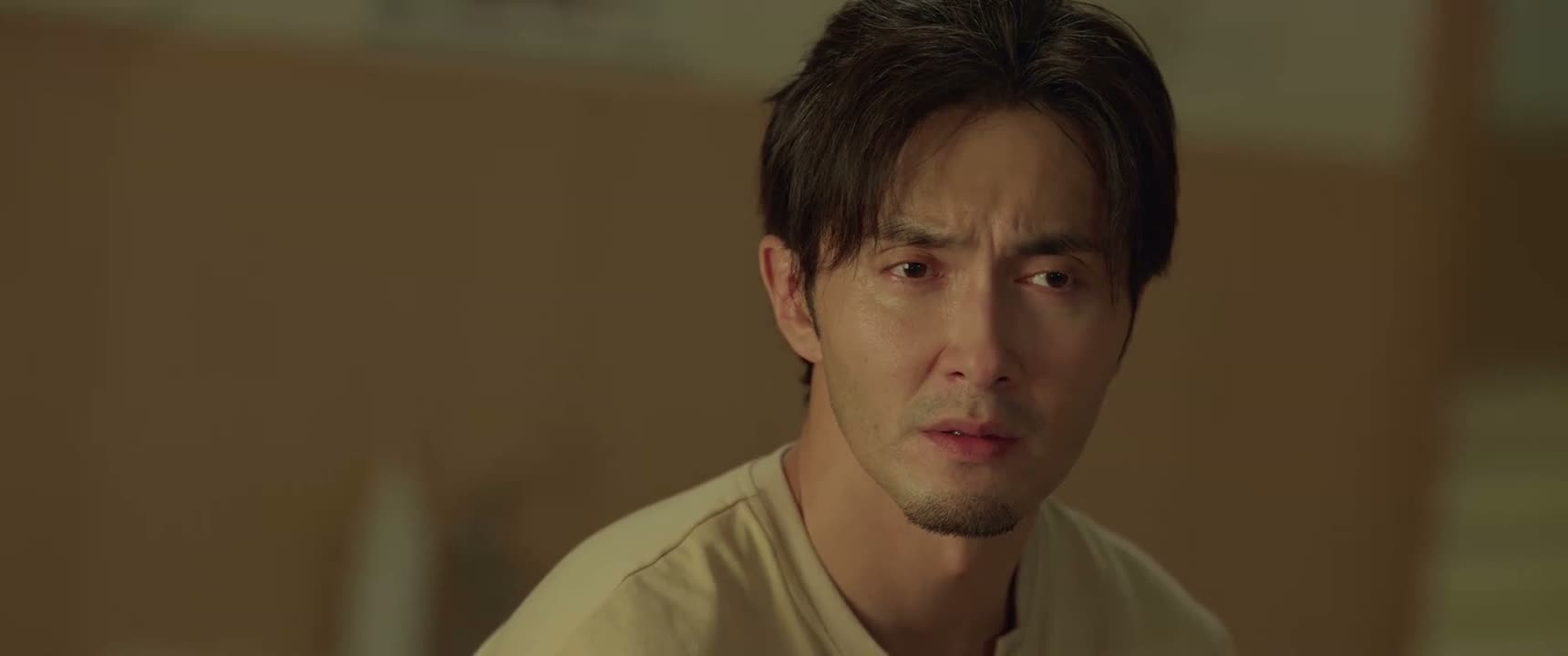
“And you can't hurt his pride.”

“has more than one scar.”

“Instead of enduring that pain,”