《The Guilty》 S1·E14 (04:59)
HSK 2
nǐ kě yǐ gēn wǒ zǒu gēn guò qù shuō zài jiàn
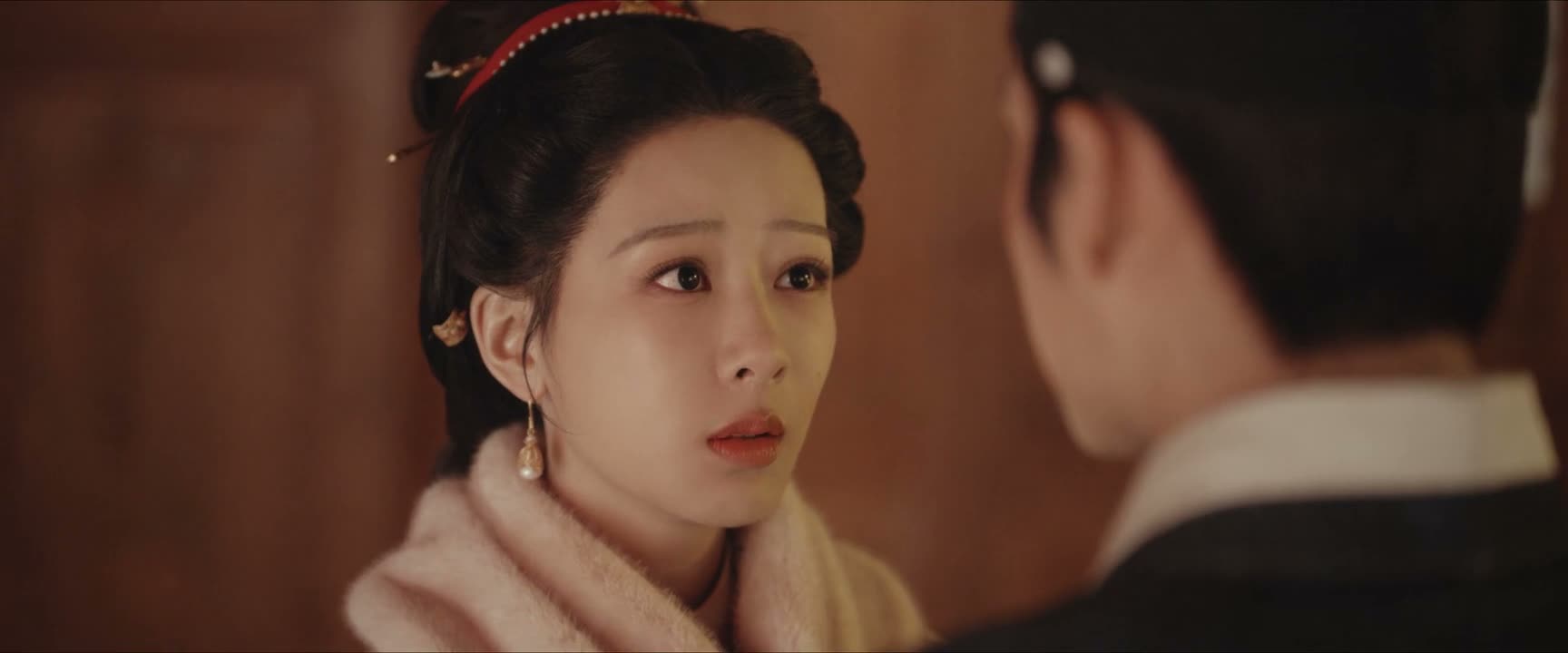
你可以跟我走 跟过去说再见
“You can come with me and say goodbye to the past.”
《The Guilty》
S1·E14
TIMECODE: 04:59
·
1080P MASTER AUDIO
THE DIALOGUE REEL
[-1] PREVIOUS TURN
wǒ zuì hòu zài gěi nǐ yī cì xuǎn zé de jī huì
我最后再给你一次选择的机会
“I'll give you one last chance to choose.”
nǐ kě yǐ gēn wǒ zǒu gēn guò qù shuō zài jiàn
CURRENT FOCUS
你可以 跟我走 跟过去说再见
“You can come with me and say goodbye to the past.”
[+1] FOLLOW-UP TURN
wǒ men hé shān shān jì xù guò zhe ān wěn de rì zi
我们和珊珊继续过着安稳的日子
“We can live a peaceful life with Shanshan.”
Subtitles synced to millisecond timecode
Browse Show Clips →
Scene:
Social & Dating
Function:
PERSUADING
Tone:
PLEADING
Emotion:
EARNESTNESS
WHAT THEY REALLY MEAN (PRAGMATIC SUBTEXT)
“Choose me and our peace over the destructive path you are currently on.”
💡 Cultural Insight: Pursuit of 'Anwen' (Stability and Peace)
In Chinese relationships, offering a peaceful and stable life ('安稳的日子') represents one of the highest commitments and appeals for reconciliation.
INTENT TAGS:
#persuasion
#offer
#redemption
#ultimatum
🧩
2 CHUNKS · 0 PARTICLES
LEARNING CHUNKS & PARTICLES
跟我走
SPOKEN CHUNK
come with me; run away with me
A frequent emotional trope in Chinese drama indicating starting a new chapter together.
说再见
SPOKEN CHUNK
to bid farewell to; to let go of
Often used metaphorically with abstract concepts like 'the past' or 'old habits'.
🏮
3 EXPR · 0 GRAMMAR
VOCABULARY & EXPRESSIONS
COLLOQUIAL EXPRESSIONS:
CROSS-CINEMA CORPUS BOARD · PARALLEL SCENES
EXPLORE BY SEMANTIC SIMILARITY
Parallel Spoken Cinema Scenes (语义近邻切片)

《The Guilty》 S1·E14 (04:59) · Authentic Cinema Dialogue Corpus