MC
MandarinClips Cinema Corpus
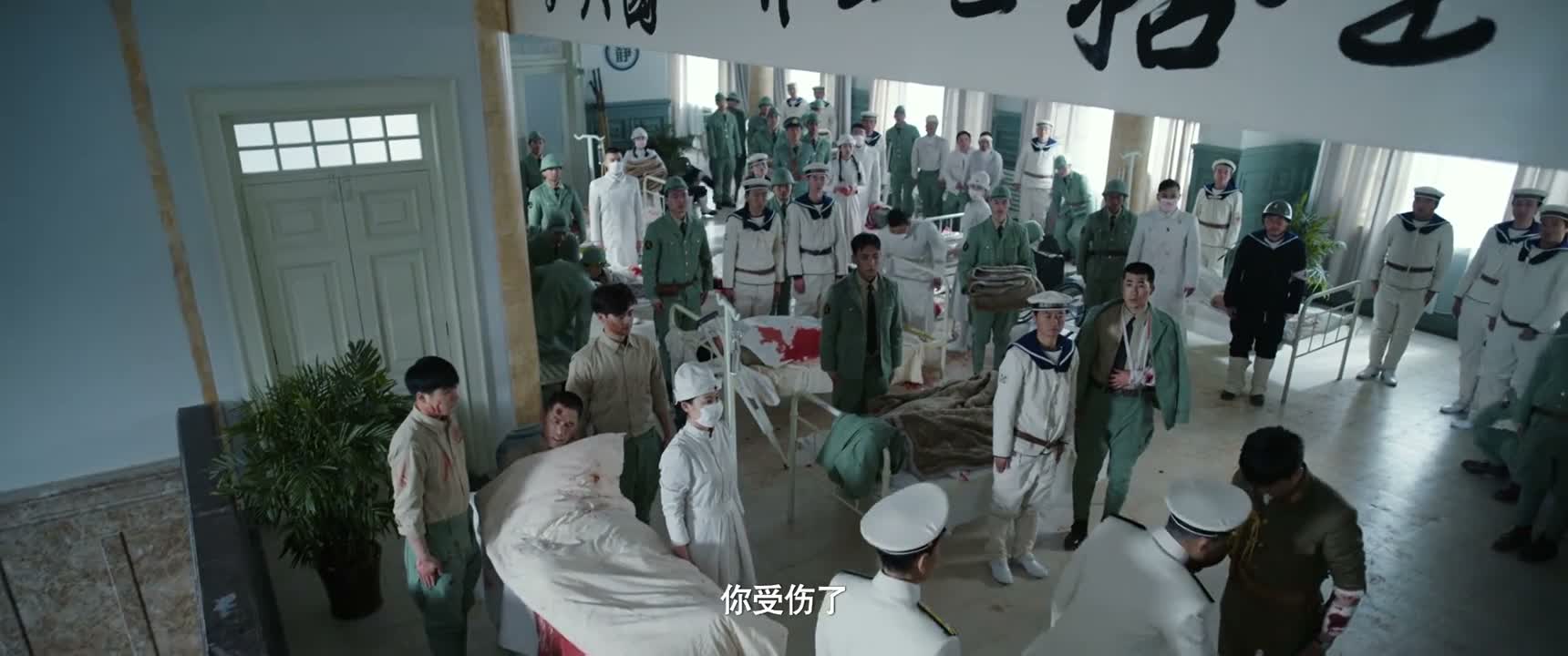
《The Guilty》 S1·E14 (08:39) HSK 4
yǒu méi yǒu shì a nǎ shòu shāng le

有没有事啊 哪受伤了

“Are you okay? Where are you hurt?”

《The Guilty》 S1·E14
TIMECODE: 08:39 · 1080P MASTER AUDIO

THE DIALOGUE REEL

1+1+1 SPOKEN CONTINUITY
[-1] PREVIOUS TURN bǎo bèi

宝贝

“Sweetheart.”

yǒu méi yǒu shì a nǎ shòu shāng le CURRENT FOCUS

有没有事啊 哪受伤了

“Are you okay? Where are you hurt?”

[+1] FOLLOW-UP TURN méi shì wǒ kàn zhe yě méi shén me shì a bié dān xīn le

没事 我看着也没什么事啊 别担心了

“You're okay? You look fine to me. Don't worry.”

Subtitles synced to millisecond timecode Browse Show Clips →
Scene: Family & Home
Function: EXPRESSING CONCERN
Tone: URGENT
Emotion: ANXIETY
WHAT THEY REALLY MEAN (PRAGMATIC SUBTEXT)

Direct spoken expression in this communicative setting.

💡 Cultural Insight: Emotional Expressiveness in Intimacy

Direct rapid-fire questions about physical well-being are considered natural and caring rather than intrusive among intimate partners.

INTENT TAGS: #concern #emergency #affection #inquiry
🧩

LEARNING CHUNKS & PARTICLES

2 CHUNKS · 2 PARTICLES
有没有事 SPOKEN CHUNK

are you okay; is anything wrong

A very frequent colloquial check on someone's safety or physical state after a sudden incident.

受伤 SPOKEN CHUNK

to get hurt; to be injured

Standard verb-object compound for physical or emotional injury.

Modal Particle「啊」 (a) CHANGE OF STATE

Softens the urgent question while conveying heightened personal emotion and worry.

Modal Particle「了」 (le) CHANGE OF STATE

Signifies that an action or change of state (becoming injured) has occurred.
🏮

VOCABULARY & EXPRESSIONS

2 EXPR · 1 GRAMMAR
CROSS-CINEMA CORPUS BOARD · PARALLEL SCENES

Parallel Spoken Cinema Scenes (语义近邻切片)

EXPLORE BY SEMANTIC SIMILARITY
《The Guilty》 S1·E14 (08:39) · Authentic Cinema Dialogue Corpus