这恐怕由不得你了
“I'm afraid it's not up to you.”
THE DIALOGUE REEL
我不会跟你走的
“I won't go with you.”
这 恐怕 由不得你 了
“I'm afraid it's not up to you.”
我已经从马德荣那 拿到了DV(录像机)
“I already got the DV from Ma Derong.”
“You don't get a say in this anymore—I have total control over you now.”
Employing polite epistemic hedges like '恐怕' (I'm afraid) alongside absolute coercion creates a chilling, ironic veneer of civility that emphasizes the speaker's total dominance and leverage.
LEARNING CHUNKS & PARTICLES
it's not up to you anymore / you have no say
An assertive fixed expression used to override someone's objections and impose complete authority over them.
I'm afraid that / perhaps
Used here as a chilling rhetorical understatement to soften the syntax while sharpening the threat.
Marks a change of state, highlighting that the listener's autonomy has just ceased to exist.
VOCABULARY & EXPRESSIONS
Parallel Spoken Cinema Scenes (语义近邻切片)

“not up to you.”
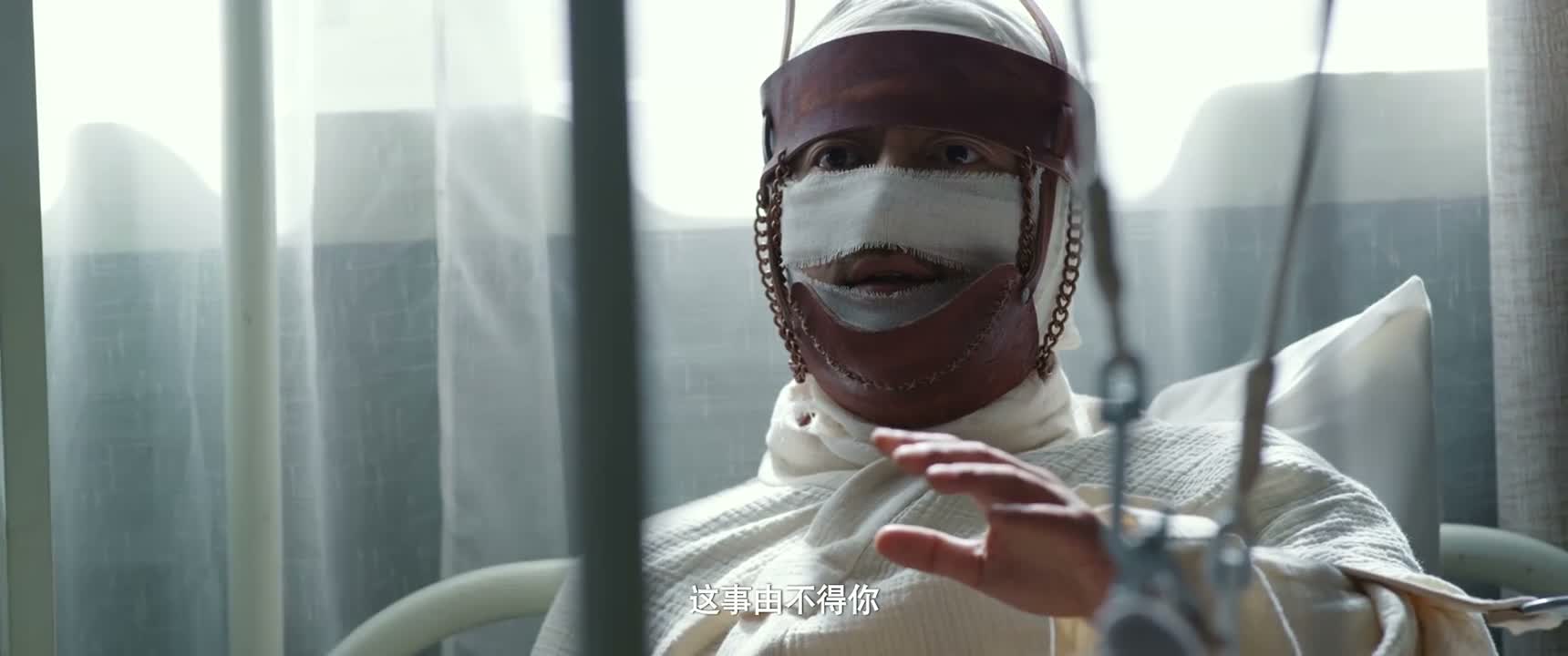
“It's not up to you.”
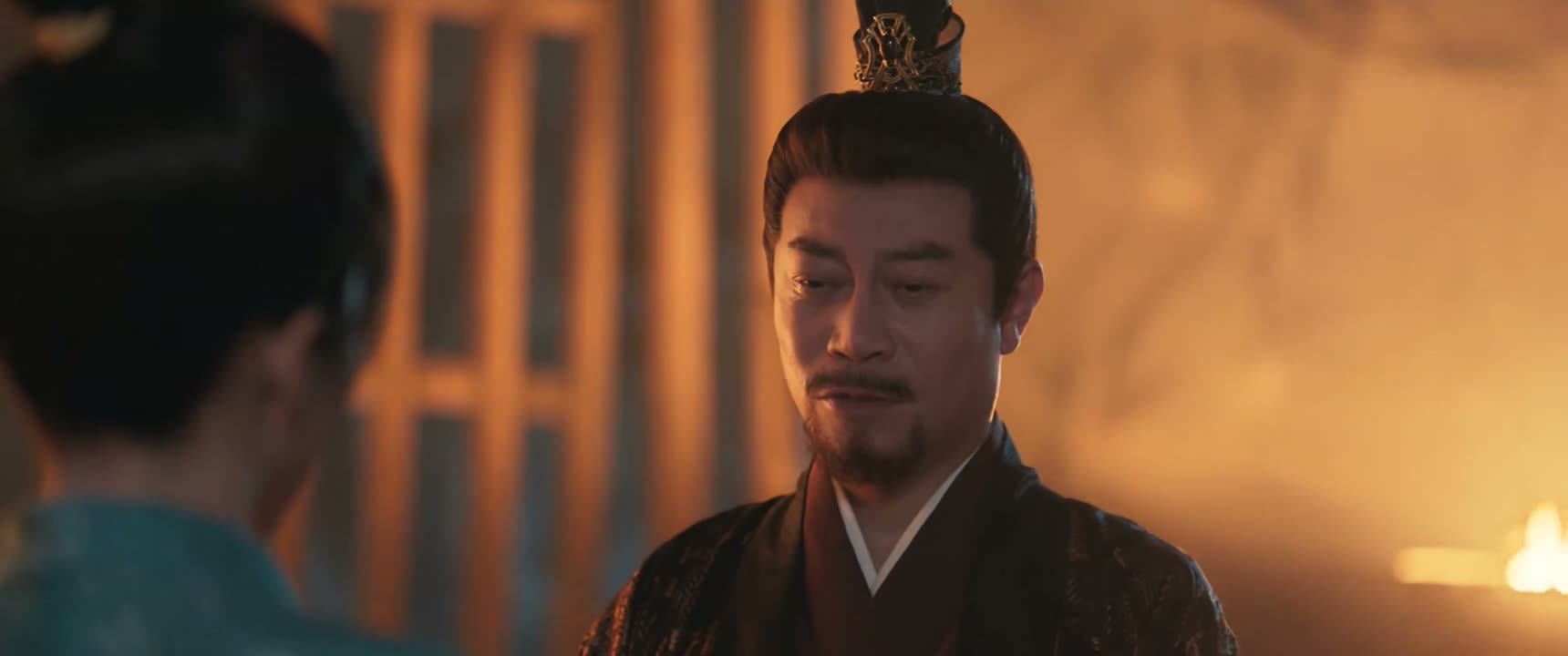
“That's out of your control.”

“you are the one I worry about the most.”
“is beyond imagination.”

“it is inferior, I'm afraid.”