你放心吧 晚饭前准回来 你就这么空手去呀
“Don't worry. I'll be back before dinner. You're going empty-handed?”
THE DIALOGUE REEL
“For those dishes of yours, I turned down eight invitations tonight.”
你放心吧 晚饭前 准回来 你 就这么 空手去 呀
“Don't worry. I'll be back before dinner. You're going empty-handed?”
“I'll stop by a flower shop nearby and pick up a flower basket.”
“I'll be back in time, but don't you dare show up at their place without a gift.”
In Chinese social culture, visiting someone's home or attending an occasion without a gift ('kongshou') is viewed as inconsiderate; bringing even fruit or flowers shows respect.
LEARNING CHUNKS & PARTICLES
empty-handed
Used to describe visiting someone or attending an occasion without bringing presents or contributions.
definitely will return
The adverb '准' colloquially means 'definitely/certainly', signaling a firm guarantee.
Conveys reassurance in '你放心吧', softening the statement.
Adds emotional warmth and mild questioning tone to the inquiry about going empty-handed.
VOCABULARY & EXPRESSIONS
Parallel Spoken Cinema Scenes (语义近邻切片)

“Don't worry. It'll be okay.”

“Don't worry. No matter what happens in the future,”

“Don't worry. I won't make things hard for myself.”
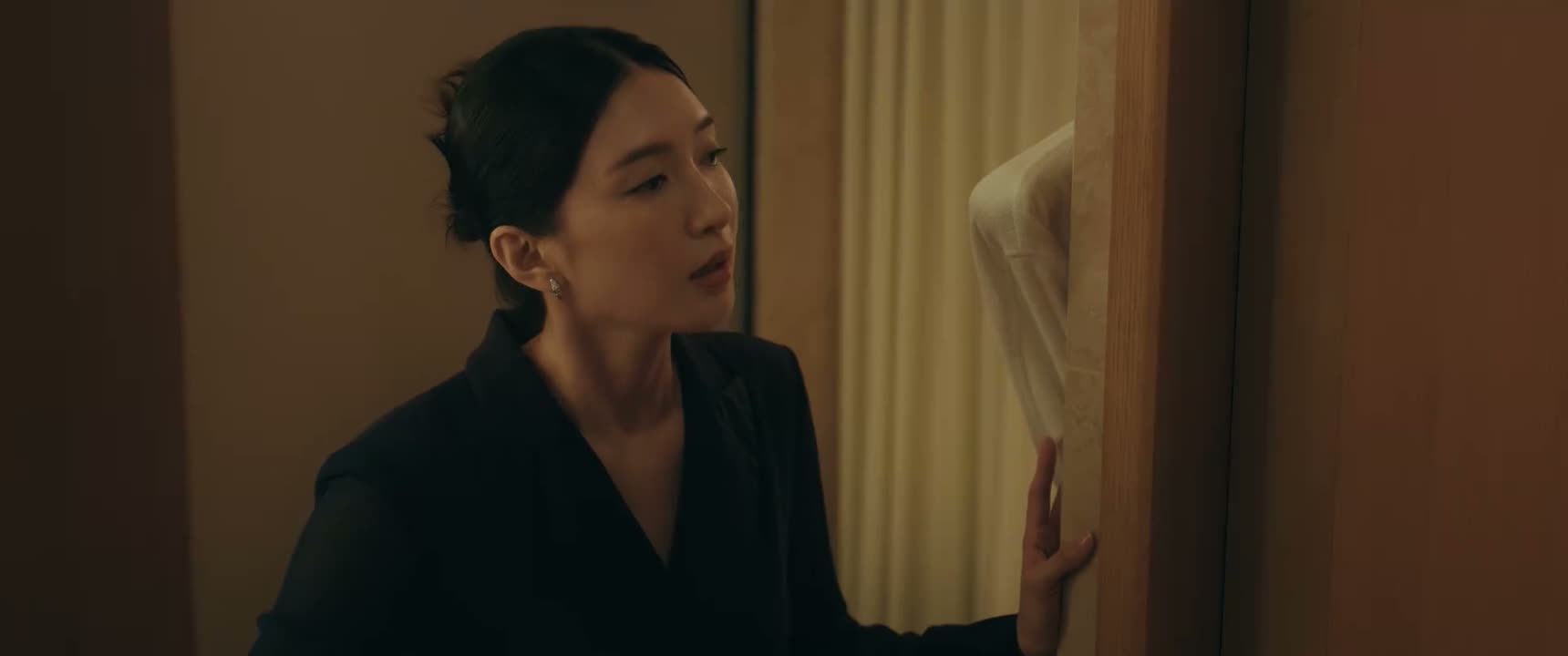
“Don't worry, my people won't talk.”
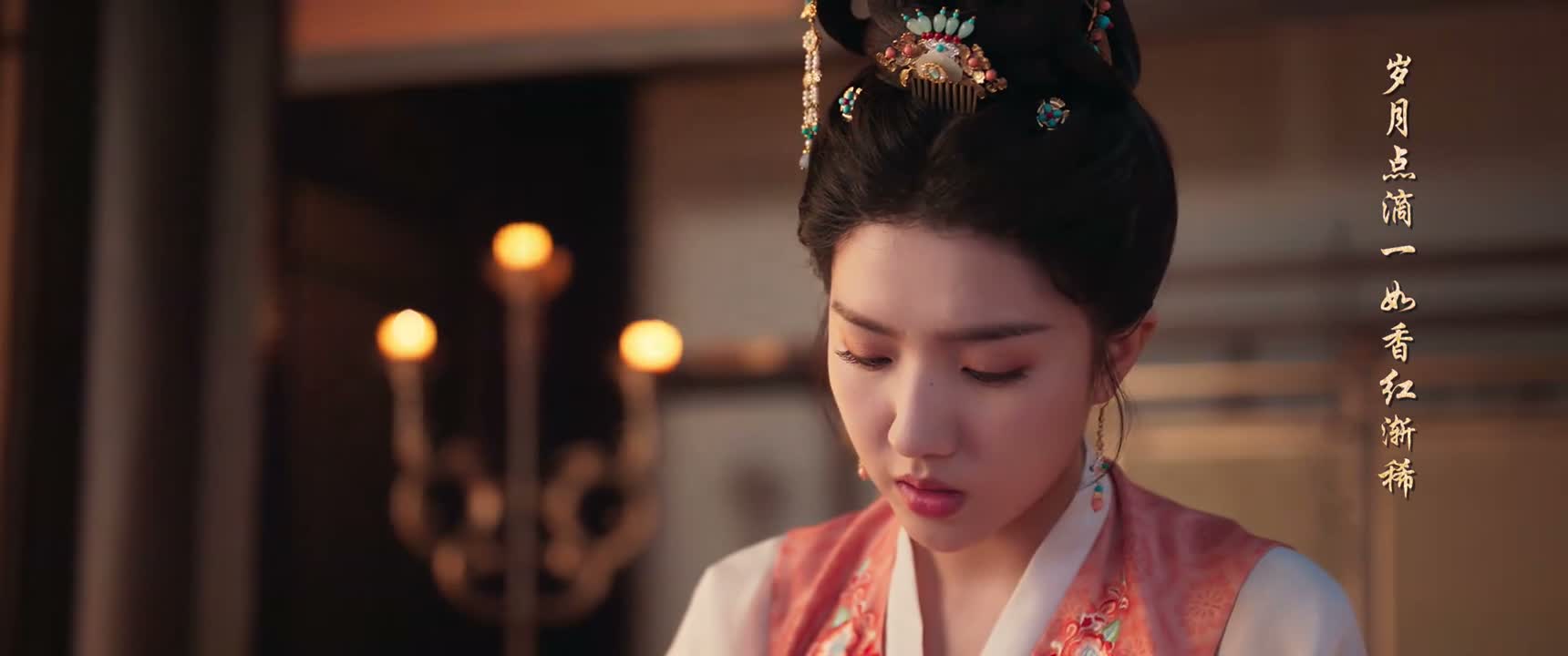
“Don't worry. I will eat.”

“Don't worry. Okay, let's keep in touch. Goodbye.”