他这洁癖的强迫症治疗过度了吧
“(Has he gone too far treating his germophobia?)”
THE DIALOGUE REEL
他吃了我吃过的 还一点不在意 这
“(He ate something I'd already taken a bite of.) (And he didn't care at all.) (This...)”
他这洁癖的 强迫症 治疗过度 了吧
“(Has he gone too far treating his germophobia?)”
饱了
“I'm full.”
“He went from being ridiculously clean to eating my leftovers—that is bizarre!”
Terms like 'OCD' and 'germaphobia' are frequently used in modern Chinese youth slang to humorously exaggerate personality quirks rather than genuine clinical illnesses.
LEARNING CHUNKS & PARTICLES
mysophobia; obsession with cleanliness
Commonly used in daily speech to describe neat freaks or germaphobes.
obsessive-compulsive disorder (OCD)
Often used colloquially in Mandarin to refer to obsessive habits or quirks, not strictly clinical OCD.
excessive; overdone
Placed after verbs or adjectives to denote exceeding proper limits.
Marks an evaluated change of state indicating the extent has crossed a boundary.
Softens the assertion into a rhetorical, teasing speculation seeking listener agreement.
VOCABULARY & EXPRESSIONS
Parallel Spoken Cinema Scenes (语义近邻切片)

“You didn't use to be like this. Since when did you become so particular”

“I don't know if he has claustrophobia,”

“does Barry have claustrophobia?”
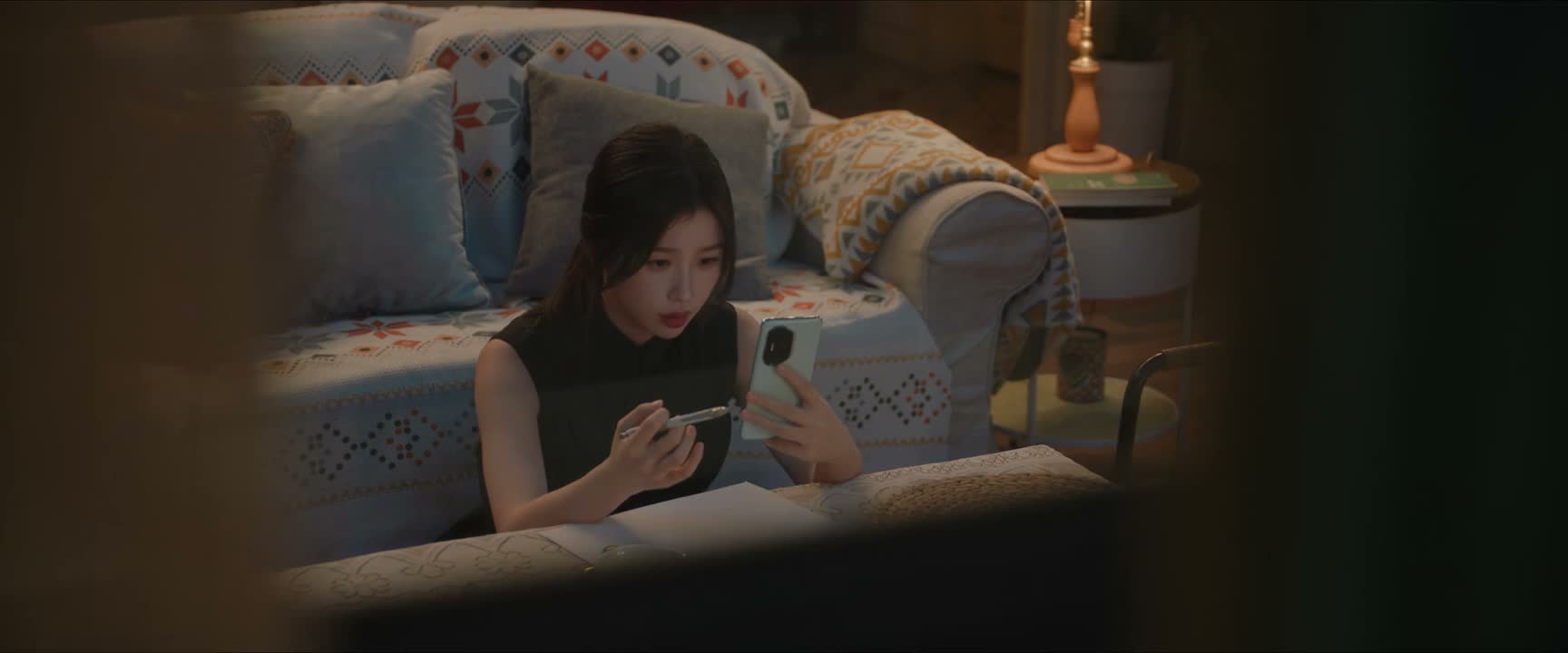
“And with typical obsessive-compulsive behaviors.”

“his psychological problems earlier,”

“saying that even though he studied psychiatry,”