我可不敢让我的灵 抢了亼灵殿主的人啊
“I don't dare to let my spirit snatch his servant.”
THE DIALOGUE REEL
还敢再要一个
“How dare you want another one?”
我可不敢 让我的灵 抢了亼灵殿主的人啊
“I don't dare to let my spirit snatch his servant.”
你是怎么知道的
“How do you know?”
“You thought you had me fooled, but I saw right through your identity.”
In Chinese power dynamics, professing that one 'does not dare' (不敢) cross a powerful figure is often used ironically to signal that the speaker has actually unmasked the other party's bluff.
LEARNING CHUNKS & PARTICLES
I would never dare / I certainly wouldn't dare
Used either sincerely to show genuine reluctance or sarcastically to mock someone else's perceived self-importance.
Adds an exaggerated, dramatic tone that highlights the speaker's mockery and sarcasm.
VOCABULARY & EXPRESSIONS
Parallel Spoken Cinema Scenes (语义近邻切片)

“Back then, I wanted to be the Sovereign. So I had no choice”

“Unexpectedly, Her Grace was harsh on others,”
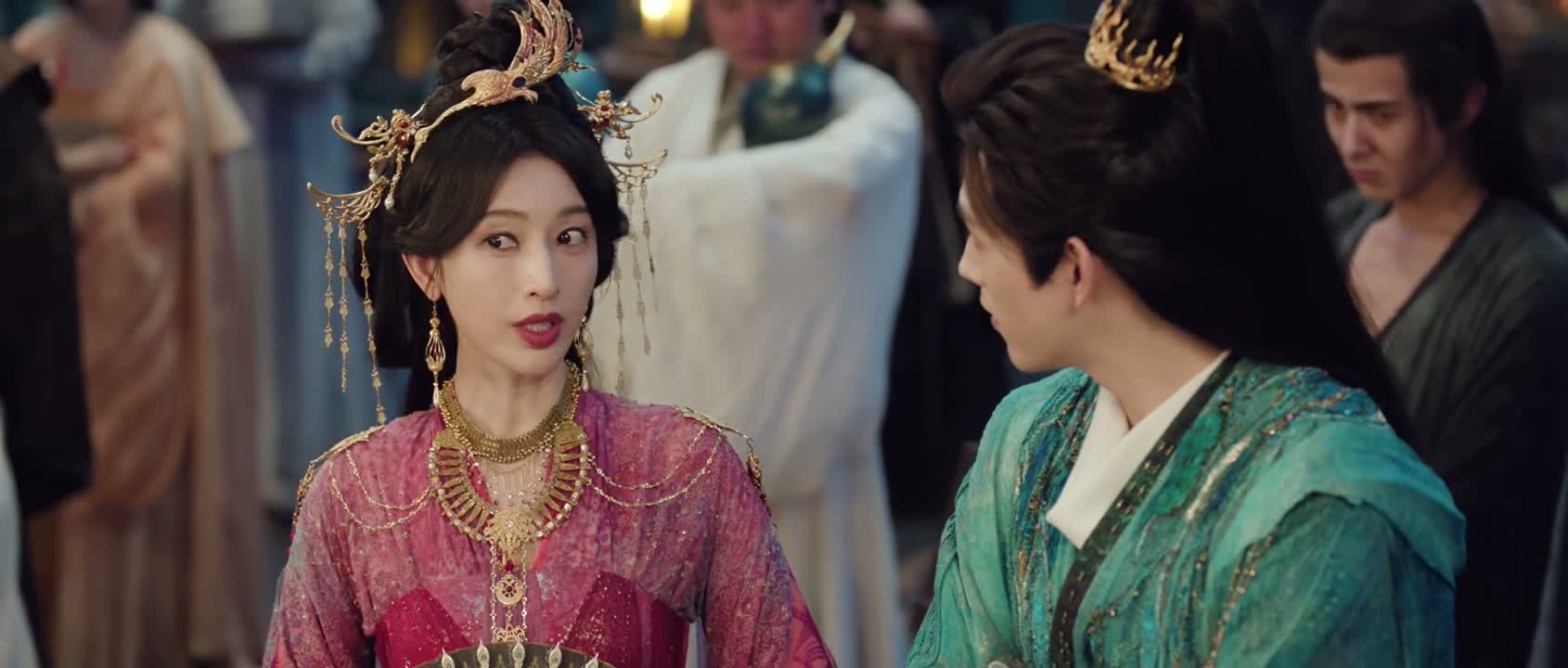
“If Her Grace didn't want to, who could force her?”

“I'm not talking about the Sovereign.”
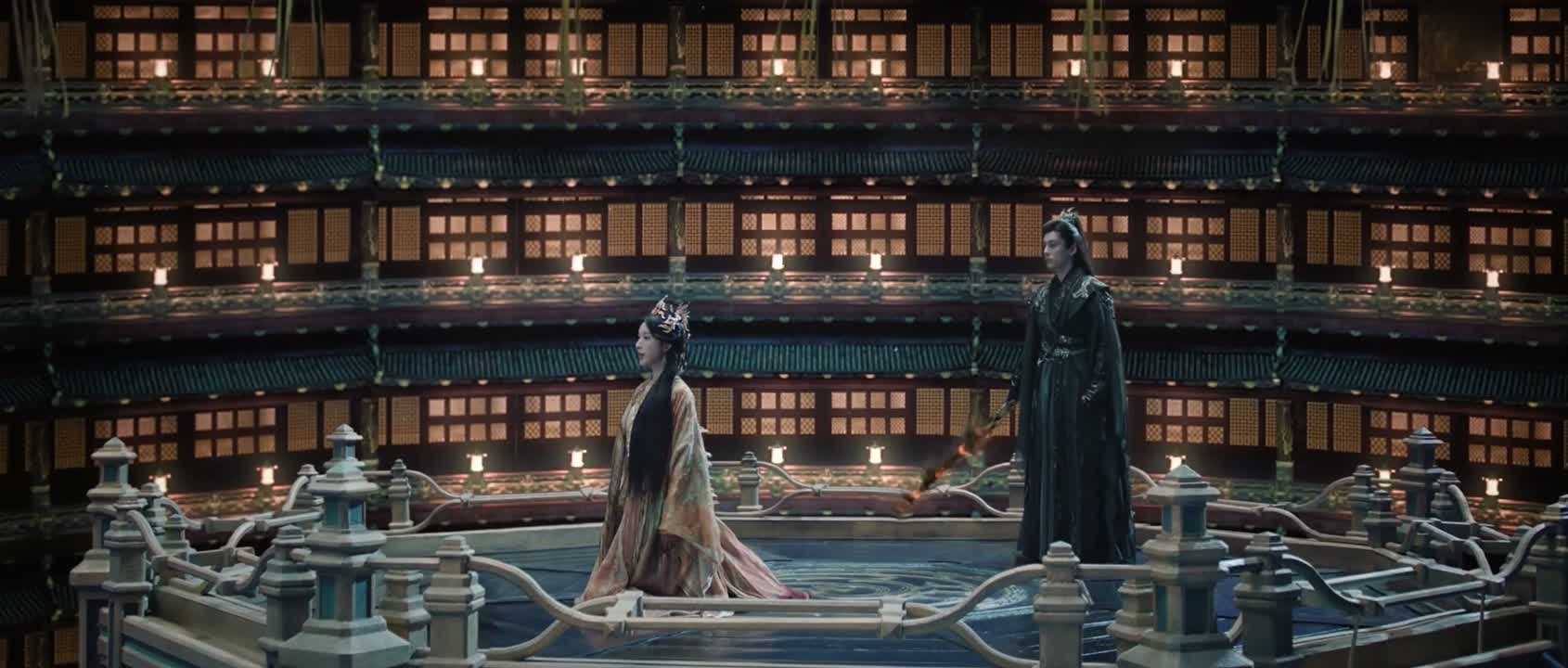
“Don't spoil Her Grace's mood.”

“Being the Sovereign is no fun. I don't want to be the Sovereign.”