还成她自个儿上赶着唱了
“she came performing for you on her own?”
THE DIALOGUE REEL
怎么到你们这帮墕人这儿
“How is it that with you Yan folks,”
还成她 自个儿 上赶着 唱了
“she came performing for you on her own?”
你要多少
“How much do you want?”
“Don't act like she begged for this; you're taking advantage of us and we demand fair pay.”
Accusing someone of 'shangganzhe' (begging to provide service) damages their pride and professional dignity, provoking sharp pushback in business negotiations.
LEARNING CHUNKS & PARTICLES
eagerly forcing oneself upon others or volunteering desperately
A northern Mandarin colloquial idiom carrying a strong connotation of undignified desperation or pushiness.
oneself
A highly colloquial, dialectal variant of '自己', predominantly heard in casual spoken northern Chinese.
Marks a completed change in the state of affairs, emphasizing the absurdity of the resulting situation.
VOCABULARY & EXPRESSIONS
Parallel Spoken Cinema Scenes (语义近邻切片)

“Do they really sing of their own accord?”
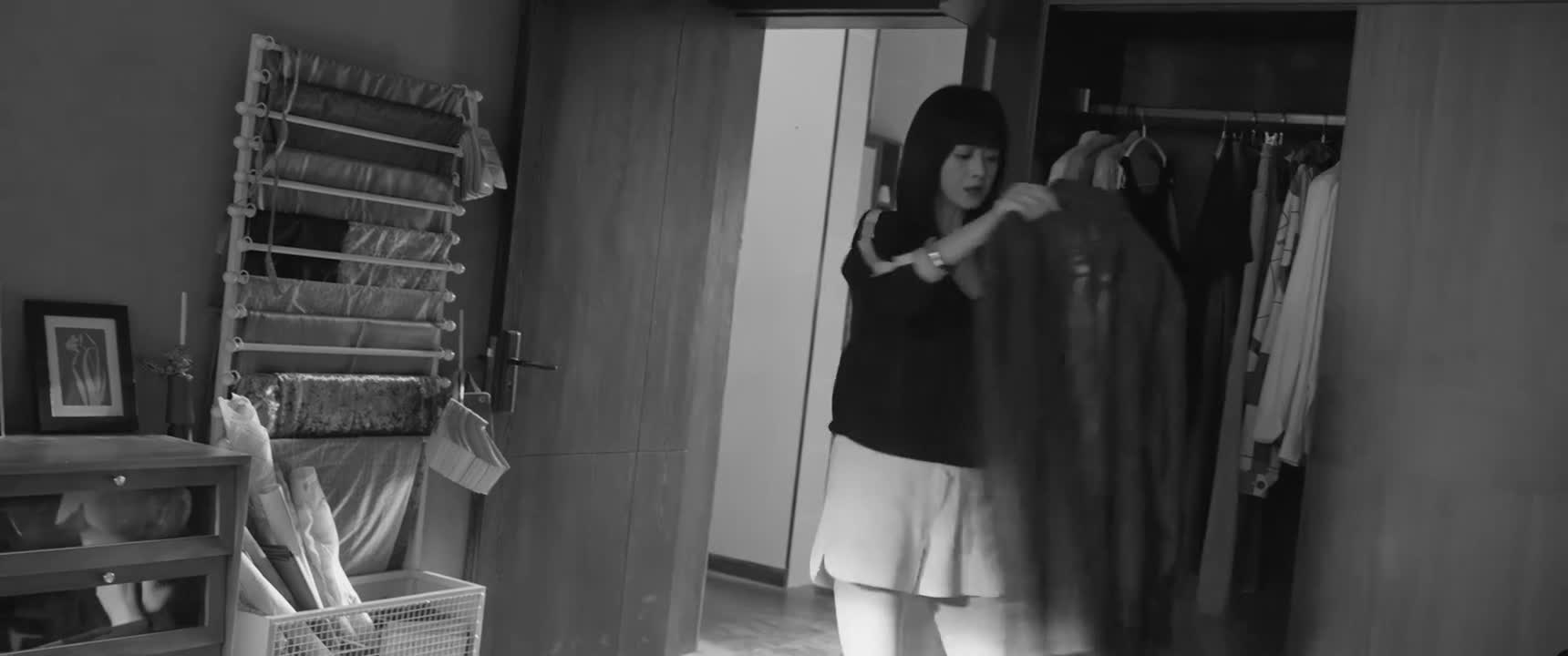
“You think you're a Z-list singer now?”

“she really has to walk it alone.”
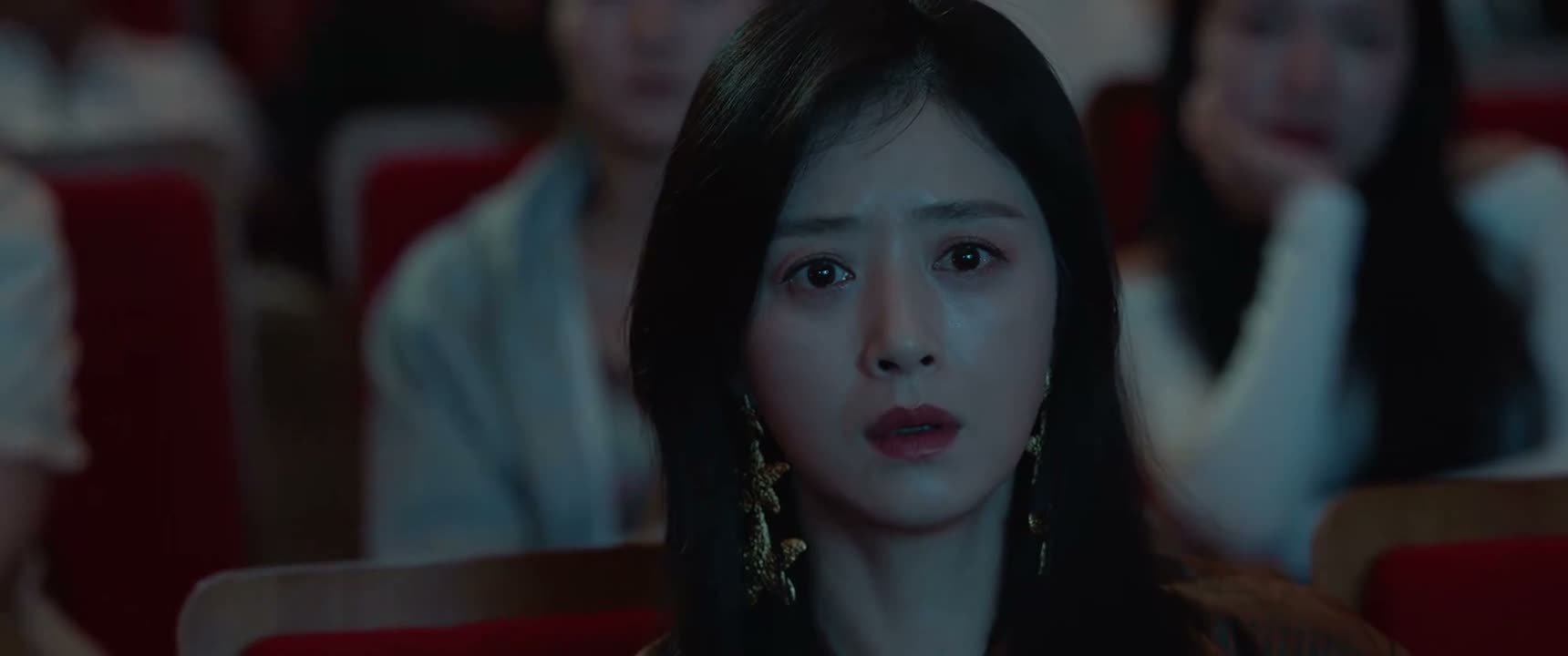
“You think you're a Z-list singer now?”