MC
MandarinClips Cinema Corpus
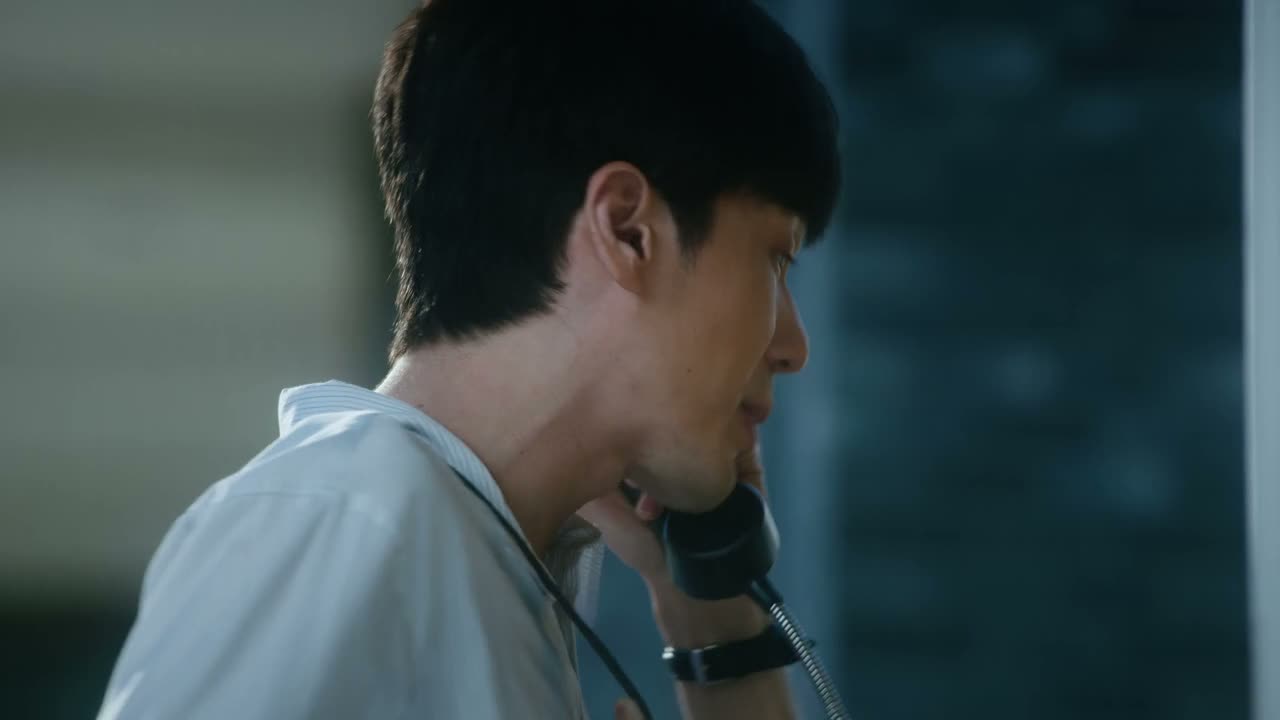
《How Dare You!?》 S1·E4 (29:14) HSK 4
nán dào shì tā men zì jǐ yào chàng de

难道是她们自己要唱的

“Do they really sing of their own accord?”

《How Dare You!?》 S1·E4
TIMECODE: 29:14 · 1080P MASTER AUDIO

THE DIALOGUE REEL

1+1+1 SPOKEN CONTINUITY
[-1] PREVIOUS TURN shāng nǚ bù zhī wáng guó hèn

商女不知亡国恨

“"The songstress knows not the grief of the captive king."”

nán dào shì tā men zì jǐ yào chàng de CURRENT FOCUS

难道是 她们 自己 要唱的

“Do they really sing of their own accord?”

[+1] FOLLOW-UP TURN míng míng shì nà xiē háo mén gōng zi háo zhì qiān jīn mǎi chàng de

明明是那些豪门公子 豪掷千金买唱的

“It's clearly those wealthy young masters [Er Lan] who splash out a fortune to request them.”

Subtitles synced to millisecond timecode Browse Show Clips →
Scene: Historical & Court
Function: CHALLENGING ASSUMPTION
Tone: RHETORICAL
Emotion: INDIGNATION
WHAT THEY REALLY MEAN (PRAGMATIC SUBTEXT)
“Don't blame powerless women for moral decay when the wealthy elites are the ones paying for it.”
💡 Cultural Insight: Subverting the 'Femme Fatale' Scapegoat Trope

The classic poem 'Moored on the Qinhuai' accused entertainers of not caring about national ruin, but modern perspectives often challenge this historical tendency to blame women for societal collapse.

INTENT TAGS: #rebuttal #rhetorical_question #defending_others #challenging_bias
🧩

LEARNING CHUNKS & PARTICLES

1 CHUNKS · 1 PARTICLES
难道 SPOKEN CHUNK

could it be that...; do you mean to say...

A rhetorical adverb used at the beginning of a question to strongly challenge an opponent's faulty presupposition.

Modal Particle「的」 (de) CHANGE OF STATE

Functions in the 'shi...de' cleft construction to emphasize agency and voluntariness.

🏮

VOCABULARY & EXPRESSIONS

2 EXPR · 0 GRAMMAR
CROSS-CINEMA CORPUS BOARD · PARALLEL SCENES

Parallel Spoken Cinema Scenes (语义近邻切片)

EXPLORE BY SEMANTIC SIMILARITY
《How Dare You!?》 S1·E4 (29:14) · Authentic Cinema Dialogue Corpus