MC
MandarinClips Cinema Corpus
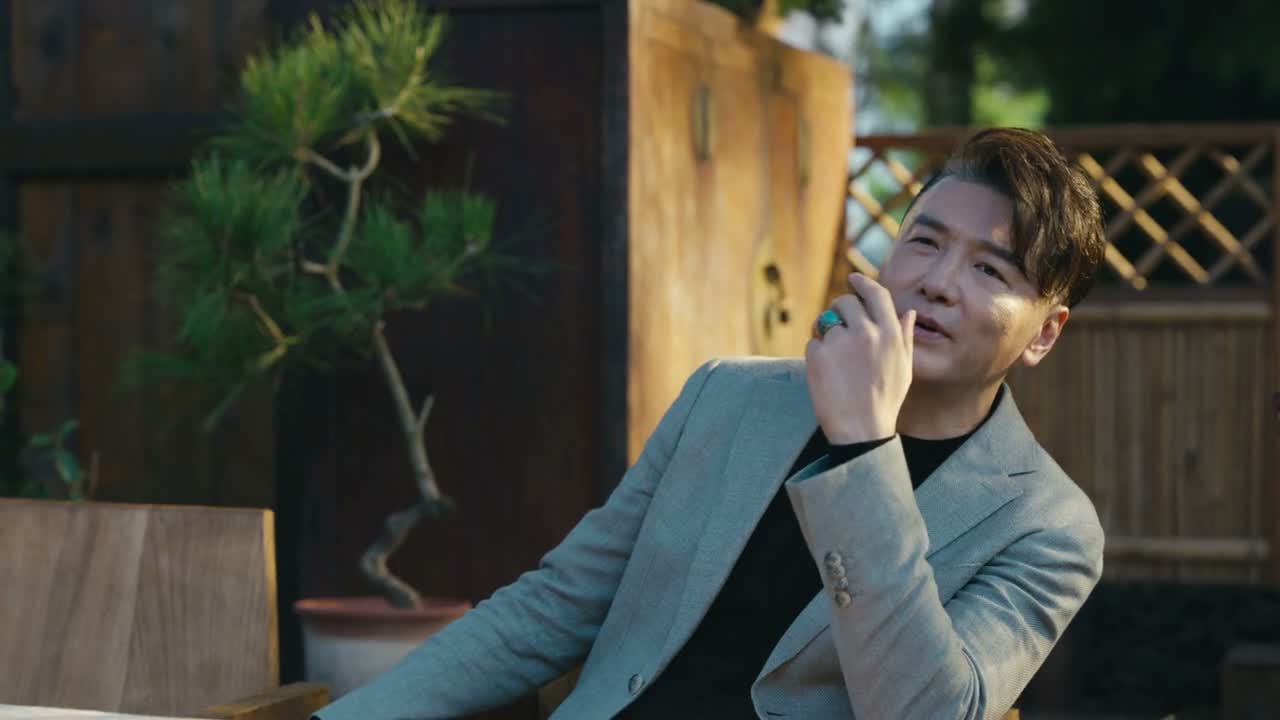
《The Glamorous Night》 S1·E21 (22:12) HSK 5
bù gǎn bù gǎn zài nín miàn qián wǒ suàn nǎ mén zi lǎo bǎn ya

不敢不敢 在您面前我算哪门子老板呀

“You flatter me. I'm hardly a boss compared to you.”

《The Glamorous Night》 S1·E21
TIMECODE: 22:12 · 1080P MASTER AUDIO

THE DIALOGUE REEL

1+1+1 SPOKEN CONTINUITY
[-1] PREVIOUS TURN zhuāng lǎo bǎn

庄老板

“A big boss.”

bù gǎn bù gǎn zài nín miàn qián wǒ suàn nǎ mén zi lǎo bǎn ya CURRENT FOCUS

不敢不敢 在您面前我 算哪门子 老板 呀

“You flatter me. I'm hardly a boss compared to you.”

[+1] FOLLOW-UP TURN zhè wèi shì hóu jué shí yè de lín zǒng

这位是侯爵实业的林总

“This is Mr. Lin from Houjue Industries.”

Subtitles synced to millisecond timecode Browse Show Clips →
Scene: Business & Trade
Function: HUMBLE REFUSAL
Tone: DEFERENTIAL
Emotion: RESPECT
WHAT THEY REALLY MEAN (PRAGMATIC SUBTEXT)
“You are the real heavyweight here; please don't embarrass me with exaggerated compliments.”
💡 Cultural Insight: Ke qi (Ritual Modesty)

In Chinese business culture, accepting a high-status compliment outright appears arrogant, so ritualized self-deprecation is required to honor the other party.

INTENT TAGS: #modesty #flattery #hierarchy_management #polite_deflection
🧩

LEARNING CHUNKS & PARTICLES

2 CHUNKS · 1 PARTICLES
不敢不敢 SPOKEN CHUNK

I wouldn't dare; you flatter me

A classic formulaic politeness marker used to reject praise, honorifics, or deferential treatment.

哪门子 SPOKEN CHUNK

what kind of; what sort of

A rhetorical device used here to self-deprecatingly minimize one's own standing or identity.

Modal Particle「呀」 (ya) CHANGE OF STATE

Softens the rhetorical self-deprecating question, making it sound polite and affable rather than aggressive.

🏮

VOCABULARY & EXPRESSIONS

3 EXPR · 0 GRAMMAR
CROSS-CINEMA CORPUS BOARD · PARALLEL SCENES

Parallel Spoken Cinema Scenes (语义近邻切片)

EXPLORE BY SEMANTIC SIMILARITY
《The Glamorous Night》 S1·E21 (22:12) · Authentic Cinema Dialogue Corpus