火气普遍都比较旺
“are usually hot-tempered.”
THE DIALOGUE REEL
你们这儿的人
“People here”
火气普遍都 比较 旺
“are usually hot-tempered.”
“We are uneducated. We have no choice.”
Direct spoken expression in this communicative setting.
In Chinese culture, emotional volatility is often framed through Traditional Chinese Medicine as excessive internal heat ('火气旺'), blending medical concepts into everyday psychological descriptions.
LEARNING CHUNKS & PARTICLES
temper / anger / fiery temperament
Originates from Traditional Chinese Medicine, colloquialized to describe easily triggered or irritable tempers.
relatively vigorous / rather high
Frequently pairs with nouns like '火气' (temper), '香火' (incense/lineage), or '生意' (business vitality).
VOCABULARY & EXPRESSIONS
Parallel Spoken Cinema Scenes (语义近邻切片)

“You had tempers when you were young,”

“Why such a heavy temper?”
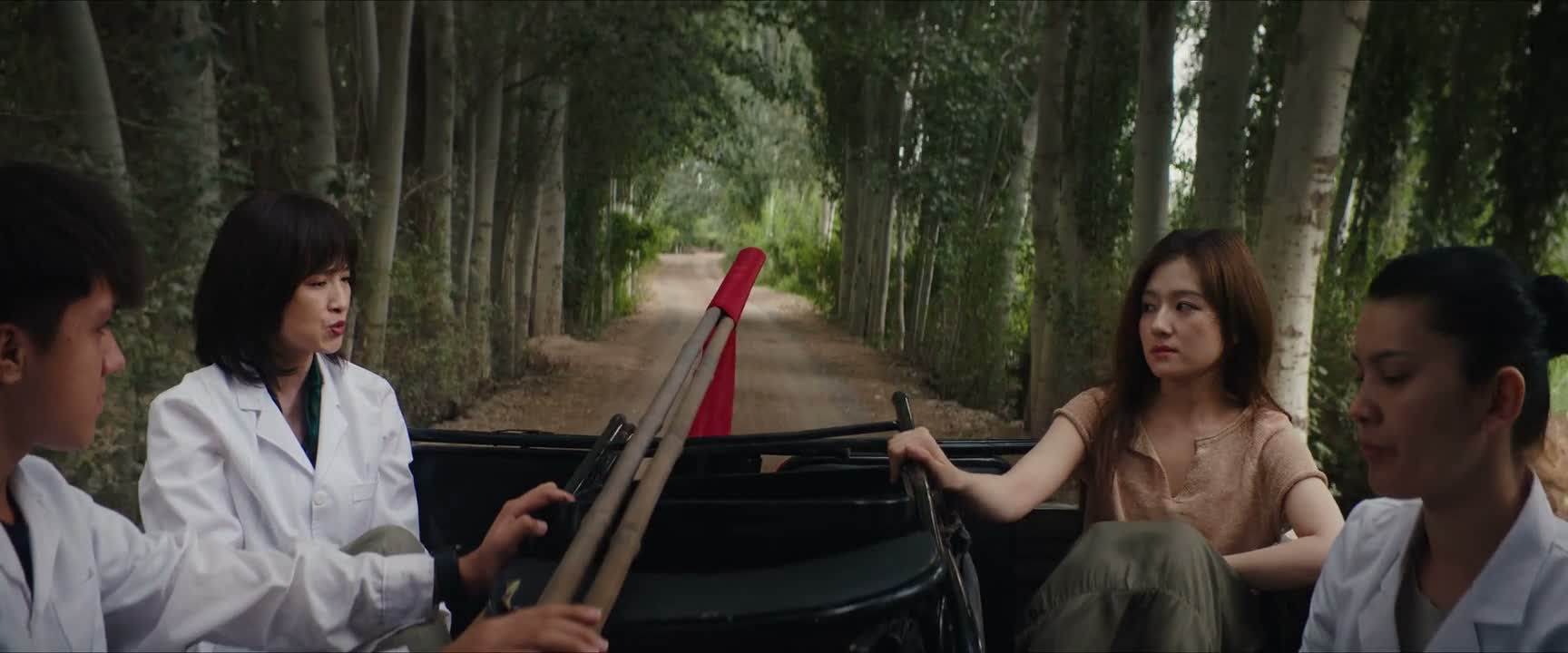
“but we focus on damp heat and qi stagnation.”

“the heat toxin is fierce”

“is so full of vigor.”
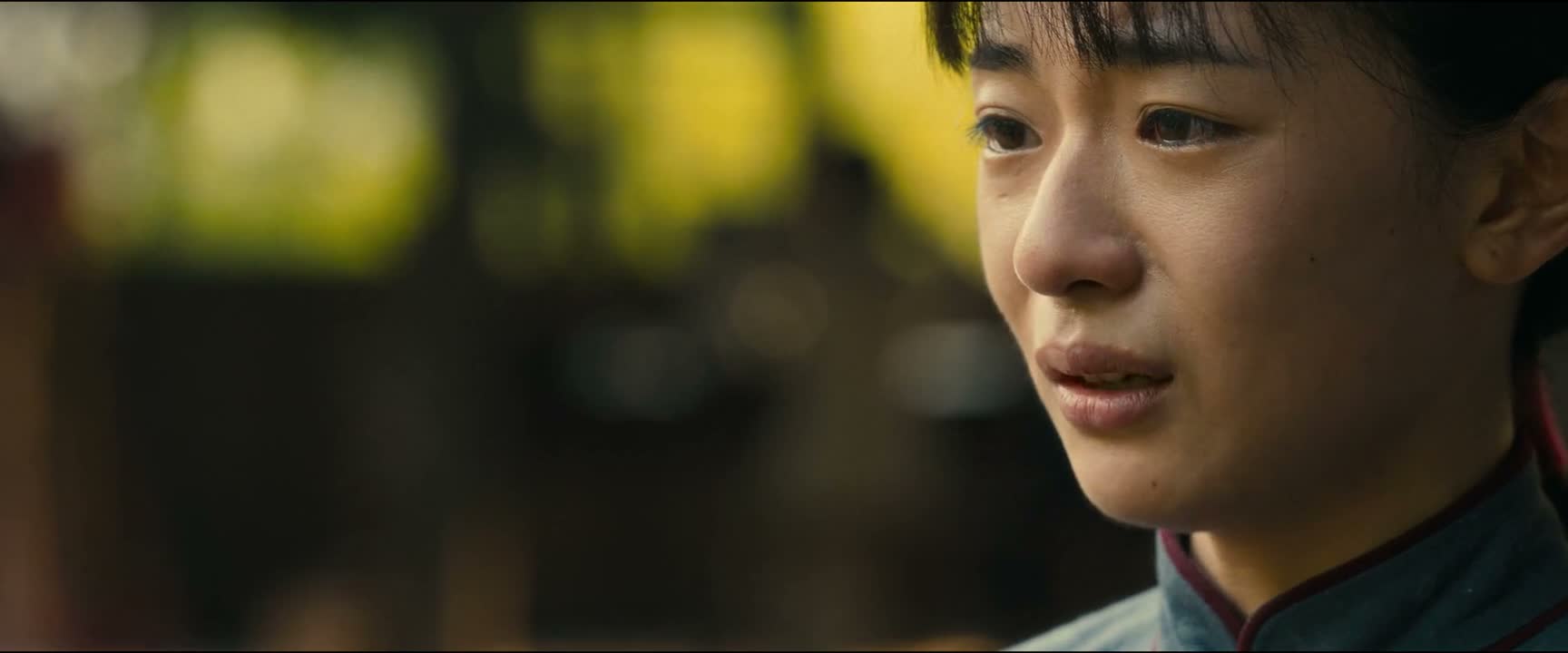
“turning the whole sky red.”