谁呀 你姑奶奶我
“Who's that? It's me!”
THE DIALOGUE REEL
“our job has to be decided by An Xin's life.”
谁呀 你姑奶奶 我
“Who's that? It's me!”
大哥 我在吐 你吐你的 我又没堵着你嘴
“Come on. I'm vomiting. Go on. I didn't put a sock in your mouth.”
“You don't get to question me; know who's boss here.”
Claiming superior generational seniority (such as calling oneself someone's father, grandfather, or grand-aunt) is a classic spoken tactic to symbolically demean the other person.
LEARNING CHUNKS & PARTICLES
great-aunt / boss lady (slang asserting superiority)
Used figuratively by women in banter or fights to assert dominant, unchallengeable status over someone.
Softens the question phonetically while sounding casual or alert.
VOCABULARY & EXPRESSIONS
Parallel Spoken Cinema Scenes (语义近邻切片)

“Milady, we really aren't lying!”
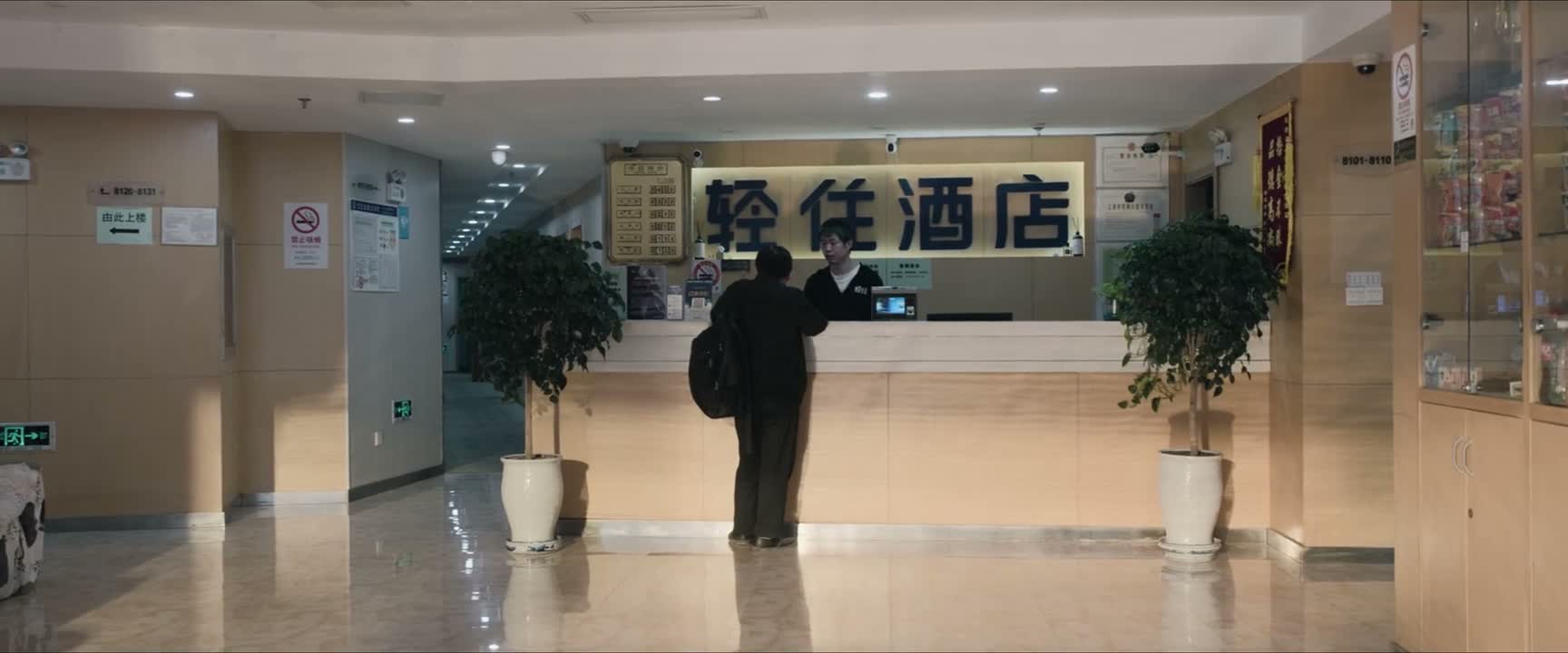
“[Qingzhu Hotel] Who is it? I'm the housekeeper.”

“My lady, I wouldn't dare without your okay.”
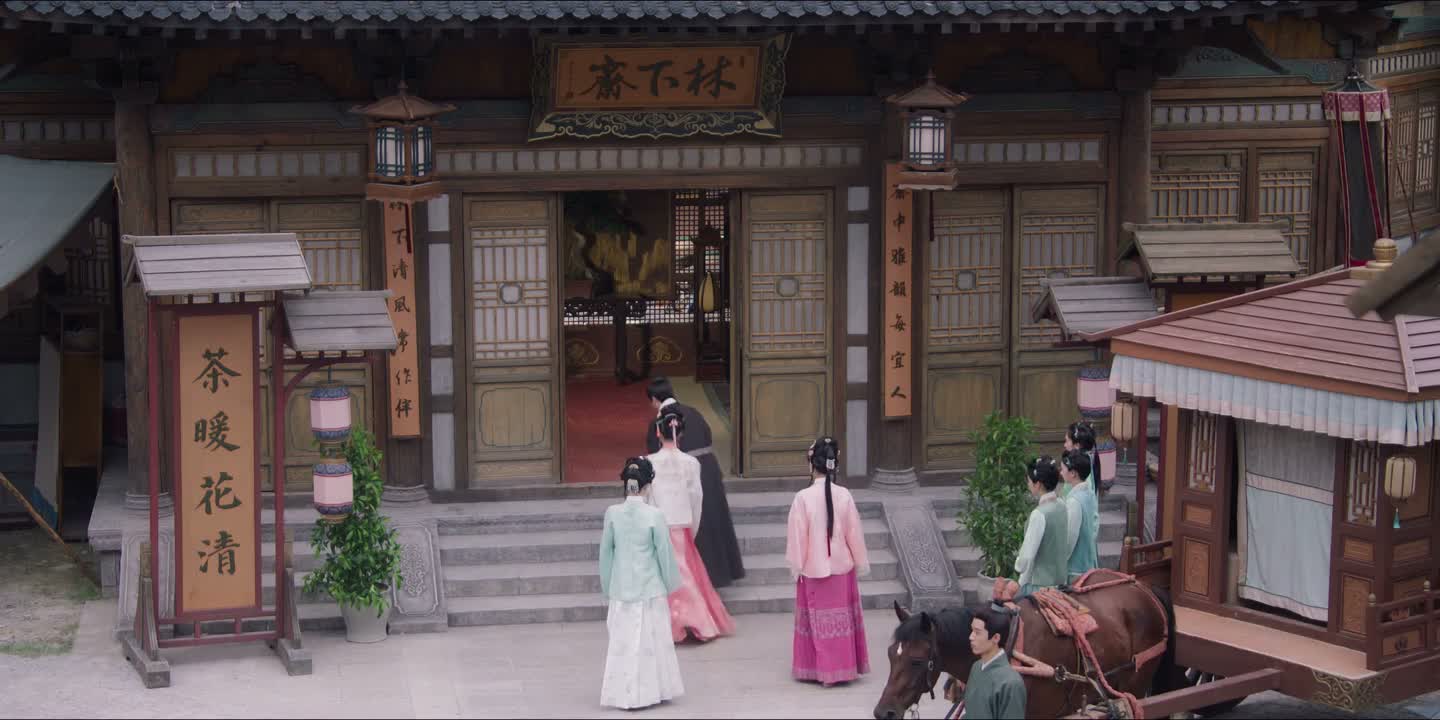
“[Linxia Restaurant] What is it? So mysterious.”

“What is it? So mysterious.”

“No, no, no! My lady! I care! Of course I care!”