MC
MandarinClips Cinema Corpus
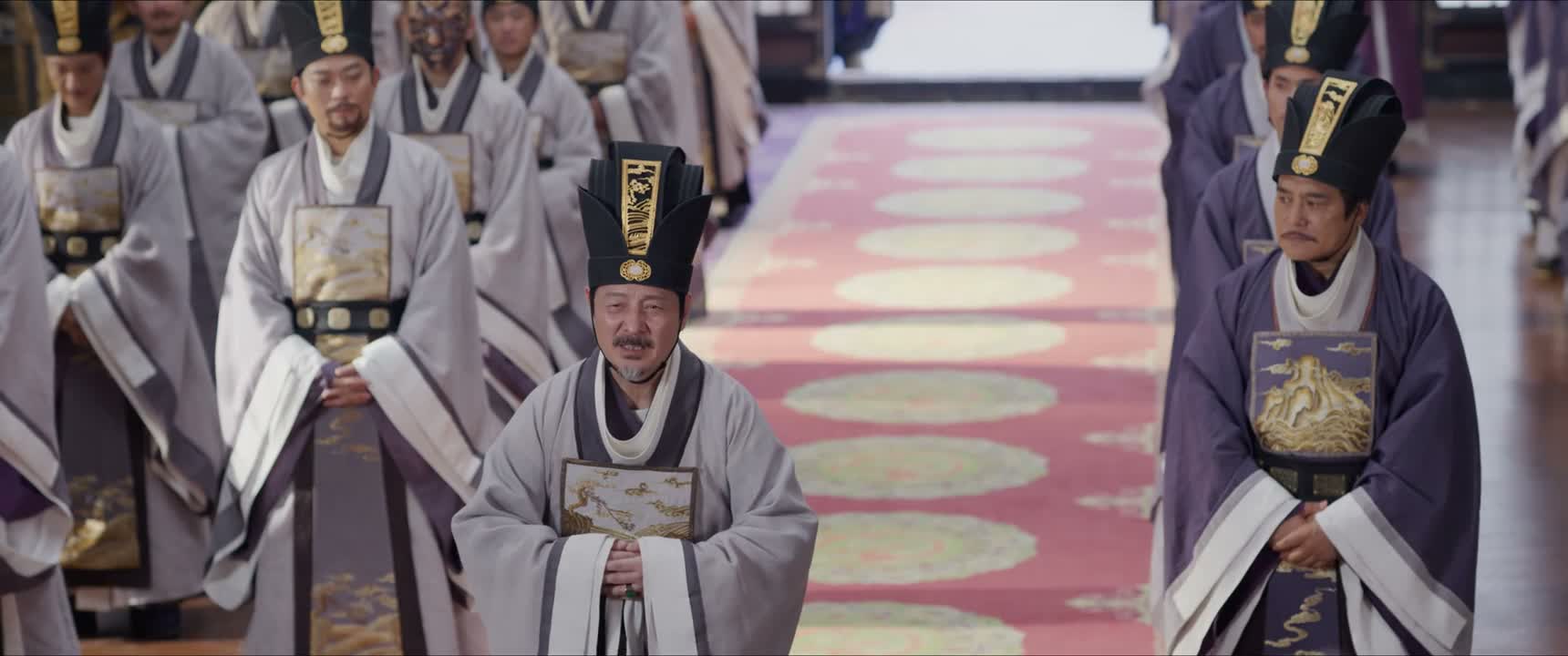
《Love Has Fireworks》 S1·E23 (04:16) HSK 7
wǒ yě bù xiǎng zài gān shè le

我也不想再干涉了

“I don't want to interfere in young people's lives anymore.”

《Love Has Fireworks》 S1·E23
TIMECODE: 04:16 · 1080P MASTER AUDIO

THE DIALOGUE REEL

1+1+1 SPOKEN CONTINUITY
[-1] PREVIOUS TURN wǒ wǒ zài nà ér xiǎng le cóng cǐ yǐ hòu nián qīng rén de shēng huó

我 我在那儿想了 从此以后 年轻人的生活

“I've been thinking. From now on, I don't want to interfere in young people's lives anymore.”

wǒ yě bù xiǎng zài gān shè le CURRENT FOCUS

我 也不 想再干涉了

“I don't want to interfere in young people's lives anymore.”

[+1] FOLLOW-UP TURN wǒ zhǐ xī wàng wǒ men zhī jiān néng gòu xiāng hù lǐ jiě

我只希望我们之间能够相互理解

“I just hope we can understand each other.”

Subtitles synced to millisecond timecode Browse Show Clips →
Scene: Family & Home
Function: RELINQUISHING CONTROL
Tone: WEARY AND SINCERE
Emotion: RESIGNATION
WHAT THEY REALLY MEAN (PRAGMATIC SUBTEXT)
“I am exhausted from trying to control you, so I am letting it go.”
💡 Cultural Insight: Generational Boundaries

In traditional Chinese families, elders frequently intervene in adult children's choices, making the deliberate choice to step back a significant gesture toward autonomy.

INTENT TAGS: #letting_go #boundary_setting #concession #reconciliation
🧩

LEARNING CHUNKS & PARTICLES

2 CHUNKS · 1 PARTICLES
不想再 SPOKEN CHUNK

no longer want to

A common structure used to state a firm decision to cease an ongoing activity or attitude.

干涉 SPOKEN CHUNK

to interfere; to meddle

Often used in interpersonal or family contexts when one person intrudes upon another's autonomy.

Modal Particle「了」 (le) CHANGE OF STATE

Indicates a change of state or attitude, signaling a cessation of past interference.
🏮

VOCABULARY & EXPRESSIONS

1 EXPR · 0 GRAMMAR
COLLOQUIAL EXPRESSIONS:
CROSS-CINEMA CORPUS BOARD · PARALLEL SCENES

Parallel Spoken Cinema Scenes (语义近邻切片)

EXPLORE BY SEMANTIC SIMILARITY
《Love Has Fireworks》 S1·E23 (04:16) · Authentic Cinema Dialogue Corpus