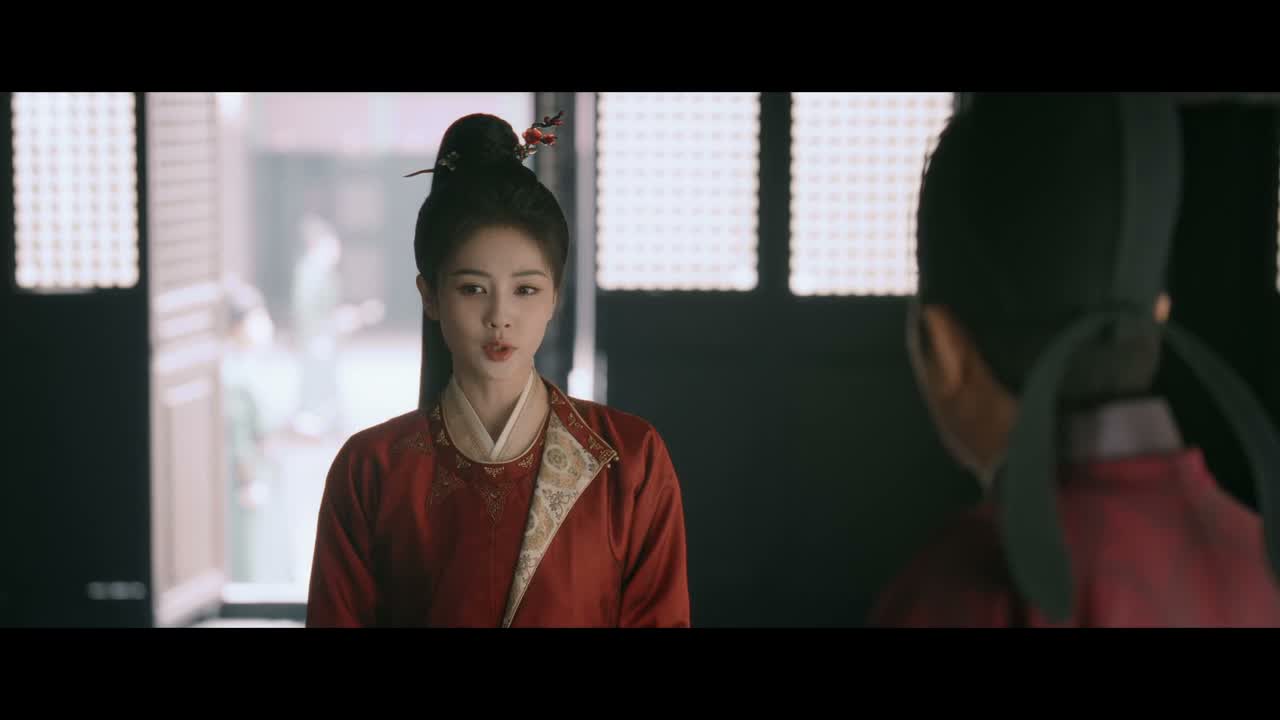
《The Inner Eye》 S1·E18 (19:18)
HSK 6
dàn shì tā de xíng wéi zuì bù zhì sǐ
但是他的行为罪不至死
“But what he did didn't deserve death.”
《The Inner Eye》
S1·E18
TIMECODE: 19:18
·
1080P MASTER AUDIO
THE DIALOGUE REEL
[-1] PREVIOUS TURN
nǐ què shí shì xiōng shǒu
你确实是凶手
“you were indeed the killer.”
dàn shì tā de xíng wéi zuì bù zhì sǐ
CURRENT FOCUS
但是 他 的 行为 罪不至死
“But what he did didn't deserve death.”
[+1] FOLLOW-UP TURN
nǐ yě shì
你也是
“Neither do you.”
Subtitles synced to millisecond timecode
Browse Show Clips →
Scene:
Legal & Police
Function:
MITIGATING CULPABILITY
Tone:
RATIONAL
Emotion:
SERIOUSNESS
WHAT THEY REALLY MEAN (PRAGMATIC SUBTEXT)
Direct spoken expression in this communicative setting.
💡 Cultural Insight: Proportionality of Punishment (量刑对等)
In Chinese legal and moral discourse, distinguishing between moral wrongdoing and crimes that deserve the ultimate punishment is a central philosophical argument.
INTENT TAGS:
#arguing
#mitigation
#moral_judgment
#defending
🧩
1 CHUNKS · 0 PARTICLES
LEARNING CHUNKS & PARTICLES
罪不至死
SPOKEN CHUNK
the crime does not warrant death; the fault does not deserve such severe punishment
A common idiomatic set phrase used in legal contexts or colloquially to argue that someone's mistake was punished disproportionately.
🏮
2 EXPR · 1 GRAMMAR
VOCABULARY & EXPRESSIONS
COLLOQUIAL EXPRESSIONS:
GRAMMAR BLUEPRINTS:
CROSS-CINEMA CORPUS BOARD · PARALLEL SCENES
EXPLORE BY SEMANTIC SIMILARITY
Parallel Spoken Cinema Scenes (语义近邻切片)
《The Inner Eye》 S1·E18 (19:18) · Authentic Cinema Dialogue Corpus