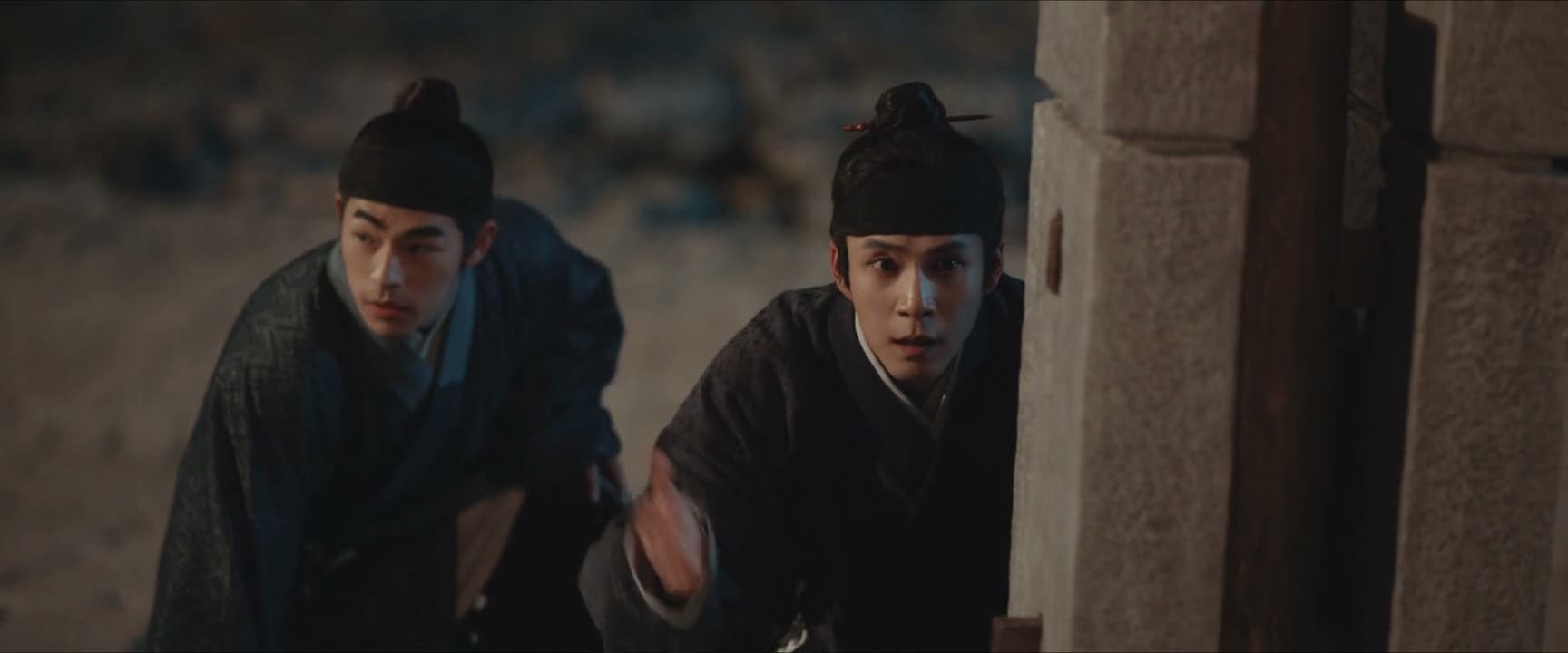
《The Knockout》 S1·E38 (27:00)
HSK 3
nǐ bú shì yì zhí xiǎng ràng wǒ lí kāi jīng hǎi ma
你不是一直 想让我离开京海吗
“Don't you always want me to leave Jinghai?”
《The Knockout》
S1·E38
TIMECODE: 27:00
·
1080P MASTER AUDIO
THE DIALOGUE REEL
[-1] PREVIOUS TURN
duì nǐ men liǎ dōu hǎo
对你们俩都好
“is good for both of you.”
nǐ bú shì yì zhí xiǎng ràng wǒ lí kāi jīng hǎi ma
CURRENT FOCUS
你 不是 一直 想让我 离开京海 吗
“Don't you always want me to leave Jinghai?”
[+1] FOLLOW-UP TURN
wǒ kě yǐ zǒu
我可以走
“I can leave,”
Subtitles synced to millisecond timecode
Browse Show Clips →
Scene:
Crisis & Conflict
Function:
BARGAINING
Tone:
SOMBER
Emotion:
RESIGNATION
WHAT THEY REALLY MEAN (PRAGMATIC SUBTEXT)
“I am finally willing to give you what you wanted, but it comes at a cost.”
💡 Cultural Insight: Strategic Concession
In Chinese relational negotiations, reminding the counterpart of their past demands before conceding frames the compromise as a significant personal favor or sacrifice.
INTENT TAGS:
#negotiation
#concession
#probing
#compromise
🧩
2 CHUNKS · 1 PARTICLES
LEARNING CHUNKS & PARTICLES
你不是一直
SPOKEN CHUNK
haven't you always...
Used to bring up a longstanding desire, stance, or habit of the listener to frame a subsequent action.
离开
SPOKEN CHUNK
to leave; to depart from
A standard verb for departing a place, frequently used in emotional or permanent separation contexts.
Modal Particle「吗」 (ma)
CHANGE OF STATE
Forms a rhetorical question seeking confirmation and emphasizing the listener's prior stance.
🏮
2 EXPR · 1 GRAMMAR
VOCABULARY & EXPRESSIONS
COLLOQUIAL EXPRESSIONS:
GRAMMAR BLUEPRINTS:
CROSS-CINEMA CORPUS BOARD · PARALLEL SCENES
EXPLORE BY SEMANTIC SIMILARITY
Parallel Spoken Cinema Scenes (语义近邻切片)
《The Knockout》 S1·E38 (27:00) · Authentic Cinema Dialogue Corpus