MC
MandarinClips Cinema Corpus
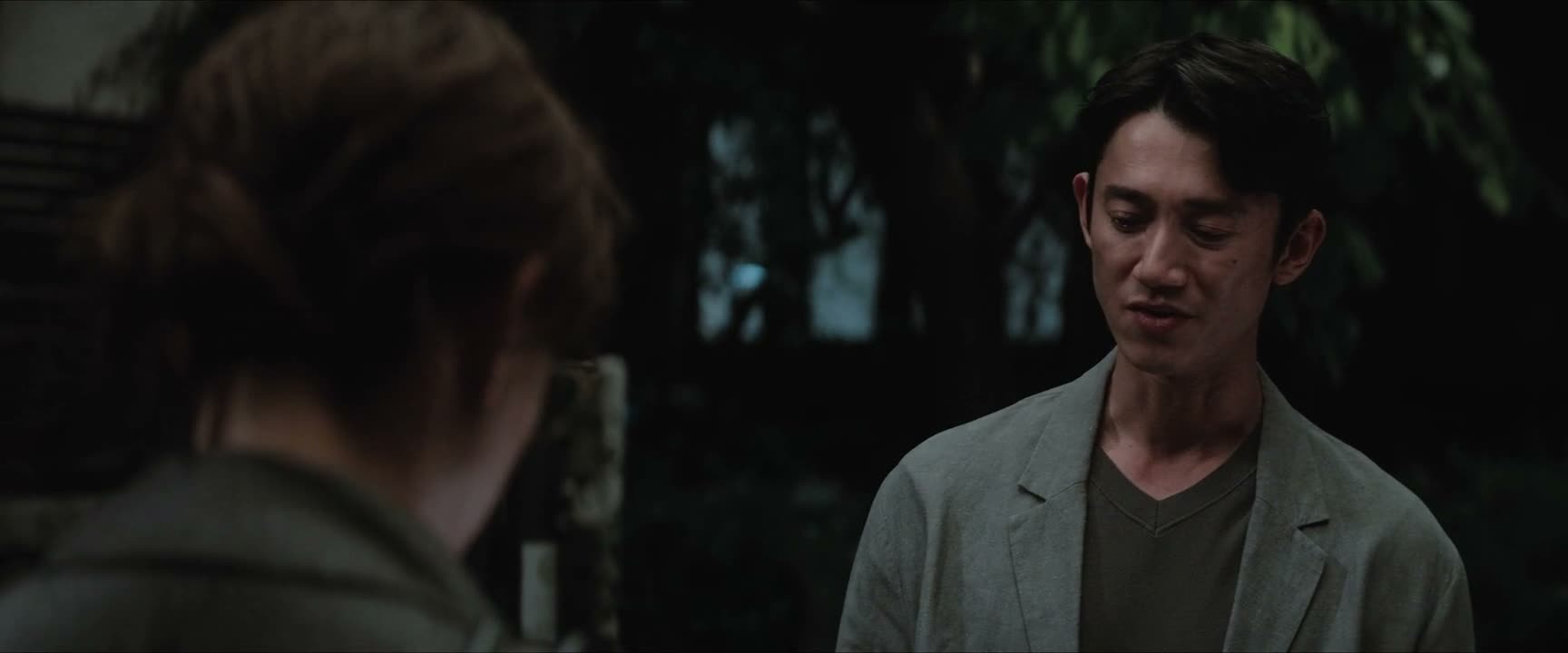
《Echoes of a Thousand Moons》 S1·E13 (39:42) HSK 5
zěn me méi gēn wǒ cí bié ya

怎么没跟我辞别呀

“Why didn't she say goodbye to me?”

《Echoes of a Thousand Moons》 S1·E13
TIMECODE: 39:42 · 1080P MASTER AUDIO

THE DIALOGUE REEL

1+1+1 SPOKEN CONTINUITY
[-1] PREVIOUS TURN liú sǎo huí xiāng xià le nín wàng le huí xiāng xià le

“She went back to the countryside. Have you forgotten? She went back?”

zěn me méi gēn wǒ cí bié ya CURRENT FOCUS

怎么没 跟我 辞别 呀

“Why didn't she say goodbye to me?”

[+1] FOLLOW-UP TURN nà ge tài yé liú sǎo gēn nín qǐng cí le nín tóng yì le

那个 太爷 刘嫂跟您请辞了 您同意了

“Well, Master, she asked your permission, and you agreed.”

Subtitles synced to millisecond timecode Browse Show Clips →
Scene: Family & Home
Function: INQUIRING CRITICALLY
Tone: QUESTIONING
Emotion: CONFUSION
WHAT THEY REALLY MEAN (PRAGMATIC SUBTEXT)
“She should have shown me respect and asked my leave before taking off.”
💡 Cultural Insight: Respecting Patriarchal Protocol (Ci Bie)

In traditional Chinese households, leaving or resigning without personally paying respects to the household patriarch is considered a serious breach of manners and social hierarchy.

INTENT TAGS: #questioning_absence #etiquette_concern #seeking_explanation #feeling_slighted
🧩

LEARNING CHUNKS & PARTICLES

2 CHUNKS · 1 PARTICLES
辞别 SPOKEN CHUNK

to bid farewell; to take one's leave

A slightly formal two-character verb for saying goodbye, often used in traditional or polite contexts.

怎么没跟 SPOKEN CHUNK

how come (someone) didn't... with/to (someone)

Common spoken pattern to express surprise or reproach regarding an omitted expected social action.

Modal Particle「呀」 (ya) CHANGE OF STATE

Softens the inquiry, reflecting genuine bewilderment rather than harsh anger.

🏮

VOCABULARY & EXPRESSIONS

2 EXPR · 0 GRAMMAR
CROSS-CINEMA CORPUS BOARD · PARALLEL SCENES

Parallel Spoken Cinema Scenes (语义近邻切片)

EXPLORE BY SEMANTIC SIMILARITY
《Echoes of a Thousand Moons》 S1·E13 (39:42) · Authentic Cinema Dialogue Corpus