他不躺那儿谁躺那儿
“He brought it on himself.”
THE DIALOGUE REEL
该
“He deserved it.”
他不躺那儿谁躺那儿
“He brought it on himself.”
这说到底还是怨我
“In the end, it's still my fault.”
“He had it coming, so nobody should feel sorry for him.”
In Chinese culture, when someone faces consequences deemed just retaliation for bad behavior, observers may show zero sympathy and proclaim they brought it upon themselves.
LEARNING CHUNKS & PARTICLES
if he doesn't..., who else would...?
A rhetorical pattern used to insist that someone is the sole, obvious subject deserving of an outcome.
lying there (often implying being hospitalized, incapacitated, or knocked down)
Colloquial idiom referring to someone bedridden, injured, or knocked out.
Parallel Spoken Cinema Scenes (语义近邻切片)

“He can't always lie in there.”

“Why are you lying here?”

“Look at how you're lying. Get comfortable.”

“Don't tell me you've been lying here all night.”
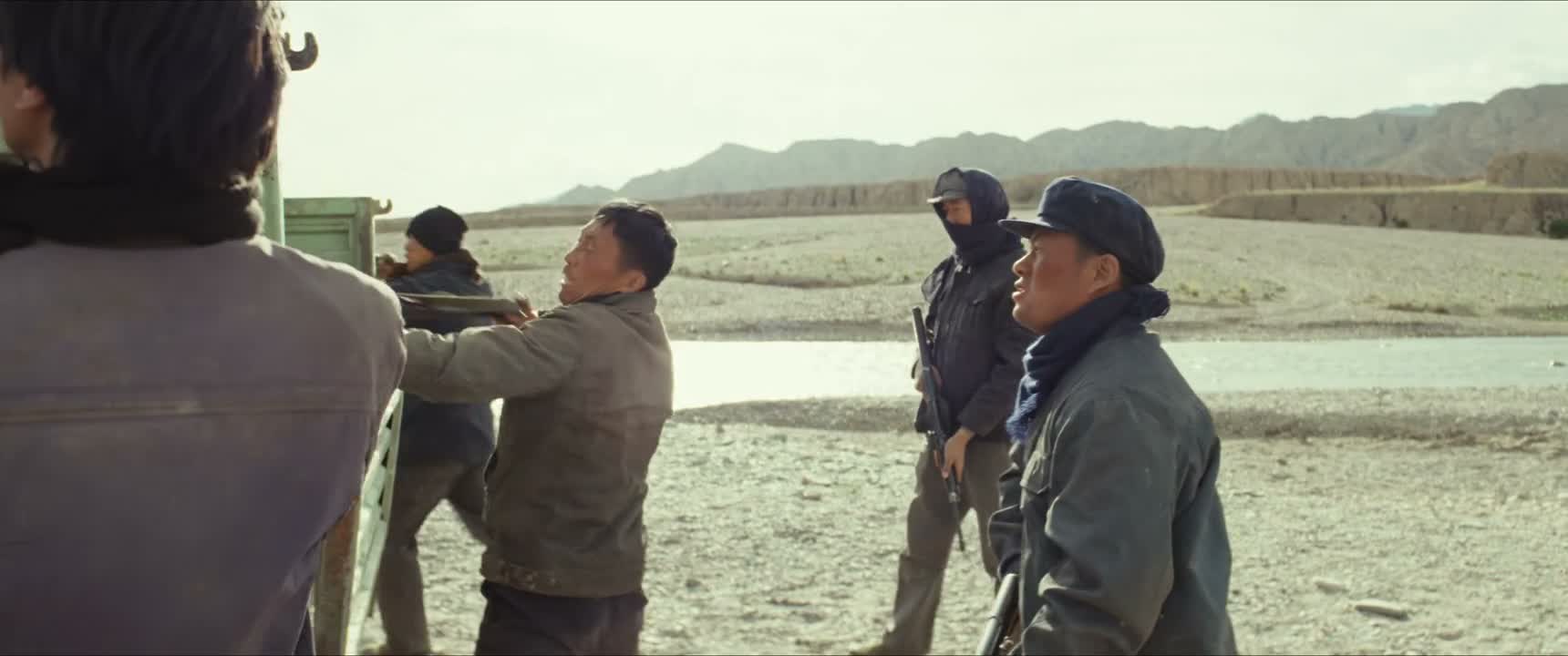
“Lie down. Behave yourselves.”

“and don't know what to do.”