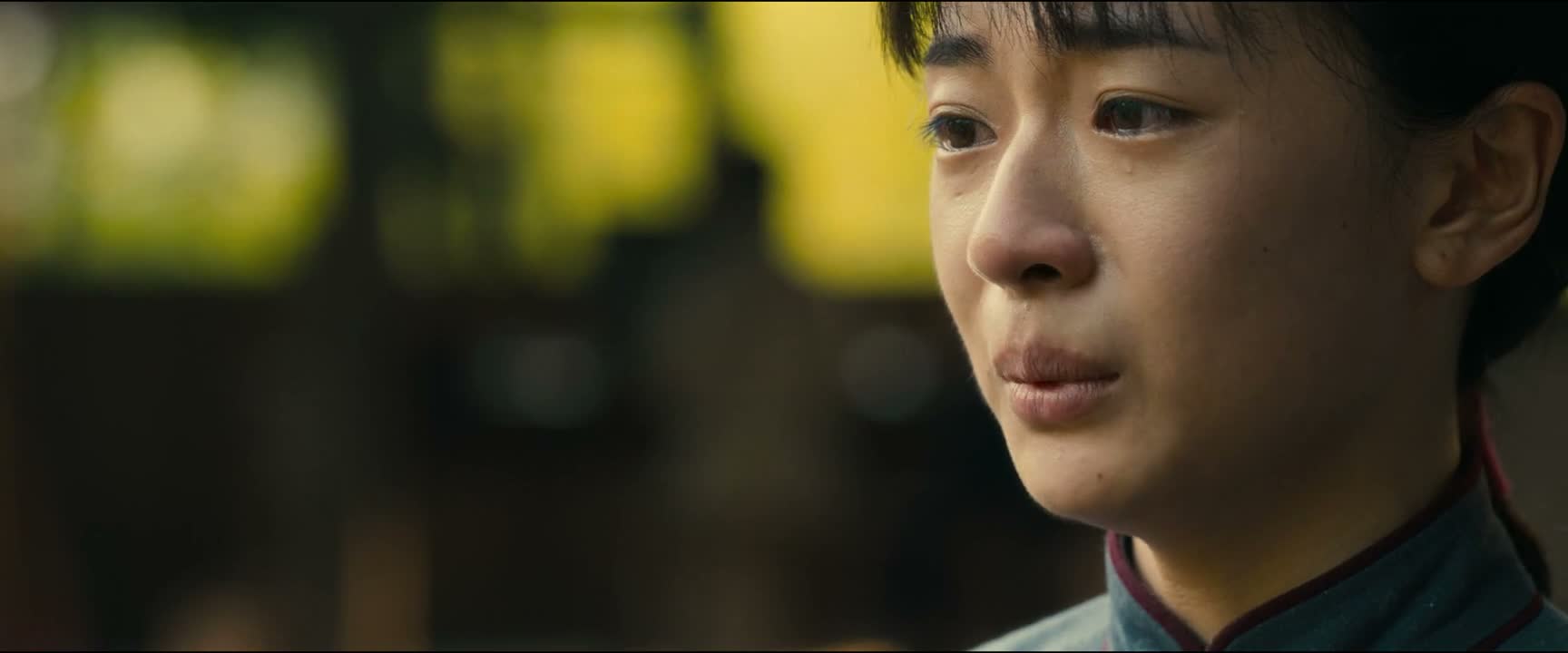
你觉得本宫失去什么了
“What do you think I have lost?”
THE DIALOGUE REEL
恐怕难以轻易论断
“the scales are not easily balanced.”
你觉得 本宫 失去什么了
“What do you think I have lost?”
唯有己心可答
“Only your heart can answer that.”
“Do not pity me or judge my sacrifices; I will never show vulnerability.”
Imperial women in ancient courts were forced to project absolute composure and status, as displaying weakness or acknowledging loss could invite political ruin.
LEARNING CHUNKS & PARTICLES
I (used by imperial empresses, consorts, or high royal women)
An imperial royal pronoun found widely in historical and palace dramas, projecting supreme authority and status.
to lose (something intangible or valuable)
Standard verb used when discussing losing abstract concepts like status, heart, innocence, or loved ones.
Marks the change of state or completed action, questioning the supposed loss that has occurred.
VOCABULARY & EXPRESSIONS
Parallel Spoken Cinema Scenes (语义近邻切片)

“it shouldn't be with me anymore.”

“are not under your control.”
“Everything is gone.”

“are gone just like that.”

“it's all gone now.”

“Two adults couldn't possibly vanish just like that.”