MC
MandarinClips Cinema Corpus
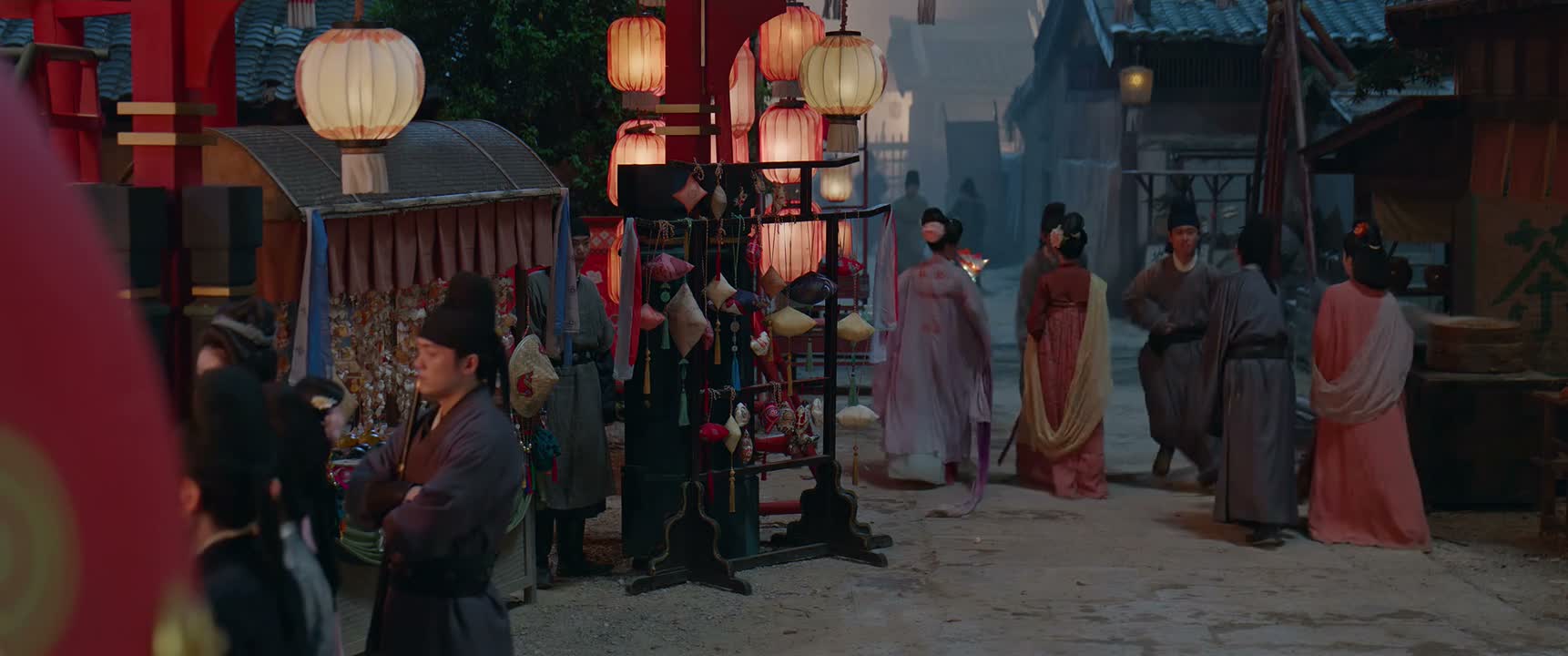
《The First Jasmine》 S1·E38 (42:13) HSK 1
zǒu shuǐ le bié guò qù zǒu shuǐ le

走水了 别过去 走水了

“Fire! Don't go there! Fire!”

《The First Jasmine》 S1·E38
TIMECODE: 42:13 · 1080P MASTER AUDIO

THE DIALOGUE REEL

1+1+1 SPOKEN CONTINUITY
[-1] PREVIOUS TURN hǎo wǒ men zǒu zhēn shì lì hài

“- Bravo! - Bravo! Let's go. Truly amazing.”

zǒu shuǐ le bié guò qù zǒu shuǐ le CURRENT FOCUS

走水了 别过去 走水了

“Fire! Don't go there! Fire!”

[+1] FOLLOW-UP TURN xiān hù sòng sǎo sǎo hé wú yōu huí fǔ nǐ bù gēn wǒ men yì qǐ ma

“Take Ms. Wen and Wuyou back to the mansion. Aren't you coming with us?”

Subtitles synced to millisecond timecode Browse Show Clips →
Scene: Crisis & Conflict
Function: WARNING
Tone: URGENT
Emotion: ANXIETY
WHAT THEY REALLY MEAN (PRAGMATIC SUBTEXT)

Direct spoken expression in this communicative setting.

💡 Cultural Insight: Linguistic Taboo Avoidance (走水)

In pre-modern China, directly shouting '火' (fire) was considered unlucky or taboo, so people used the water-associated euphemism '走水' to summon water or avoid naming disaster.

INTENT TAGS: #warning #alarm #emergency #protection
🧩

LEARNING CHUNKS & PARTICLES

2 CHUNKS · 1 PARTICLES
走水 SPOKEN CHUNK

fire breaks out

A traditional euphemism for a fire outbreak, commonly found in historical or period dramas.

别过去 SPOKEN CHUNK

do not go over there

A direct imperative warning people to stay away from an immediate danger zone.

Modal Particle「了」 (le) CHANGE OF STATE

Indicates a sudden change of situation, signaling an immediate emergency.

🏮

VOCABULARY & EXPRESSIONS

2 EXPR · 0 GRAMMAR
CROSS-CINEMA CORPUS BOARD · PARALLEL SCENES

Parallel Spoken Cinema Scenes (语义近邻切片)

EXPLORE BY SEMANTIC SIMILARITY
《The First Jasmine》 S1·E38 (42:13) · Authentic Cinema Dialogue Corpus