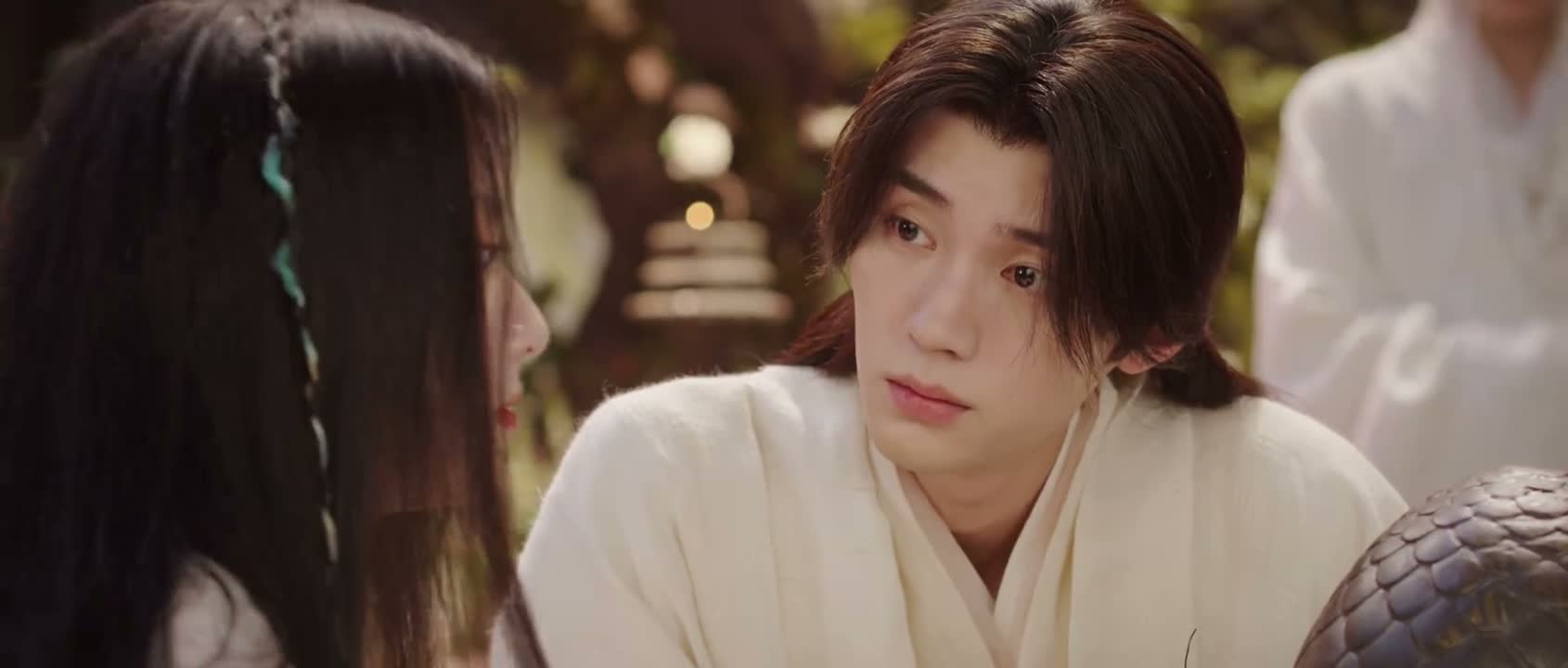
海鸥还是海鸭呀 讨厌 讨厌 不当大孔雀了
“Seagull or duck? Stop it. No longer a peacock?”
THE DIALOGUE REEL
是呀 是呀
“Yes.”
海鸥还是海鸭呀 讨厌 讨厌 不当大孔雀了
“Seagull or duck? Stop it. No longer a peacock?”
“Take a look. Isn't this super trendy?”
“Stop making fun of my look and tell me I look pretty!”
Expressing mock annoyance through words like '讨厌' is a classic form of 'sajiao' used in Chinese romantic dynamics to show vulnerability and elicit affection.
LEARNING CHUNKS & PARTICLES
Stop it / You are annoying
Frequently used by women in intimate relationships as affectionate, playful faux-protest rather than genuine hostility.
Softens the interrogative question and infuses it with a cute, coquettish lilt.
Marks a change of state, indicating the decision to stop posing or playing the role.
VOCABULARY & EXPRESSIONS
Parallel Spoken Cinema Scenes (语义近邻切片)

“Stop it. Good enough for you? Go away. Not like them.”

“Such a ridiculous sight. She bobbed like a duck on the surface.”

“Little duckling.”

“I'll call him whatever I want. You're lucky I didn't go with "brat".”
“Peng birds and dragon beasts are natural enemies.”

“I can mimic a duck too. Alright. We can hear you. Let's go.”