什么在一起啊 我不想当你哥了
“What do you mean? I don't want to be your brother.”
THE DIALOGUE REEL
咱俩就在一起呗
“be together, OK?”
什么在一起啊 我不想 当你哥了
“What do you mean? I don't want to be your brother.”
我想当你男朋友
“I want to be your boyfriend.”
“Stop treating this like sibling play; I want us to be real romantic partners.”
In Chinese youth culture, calling someone 'older brother' (ge) can serve as a protective shield or emotional boundary that one must formally break down to pursue real romance.
LEARNING CHUNKS & PARTICLES
What do you mean by... / Dismissing a statement
Used in colloquial speech to challenge or dismiss the listener's ambiguous or inaccurate phrasing.
to be together (in a romantic relationship)
A very common standard phrase to describe entering into a committed romantic relationship.
Conveys exasperation and challenges the vague phrasing used by the other person.
Indicates a change of state or a firm decision to terminate the current sibling dynamic.
VOCABULARY & EXPRESSIONS
Parallel Spoken Cinema Scenes (语义近邻切片)

“Always be together. Together. Come on.”

“Now that your brother and I are here, why do you return to Singapore yourself?”

“You know my relationship with my brother.”
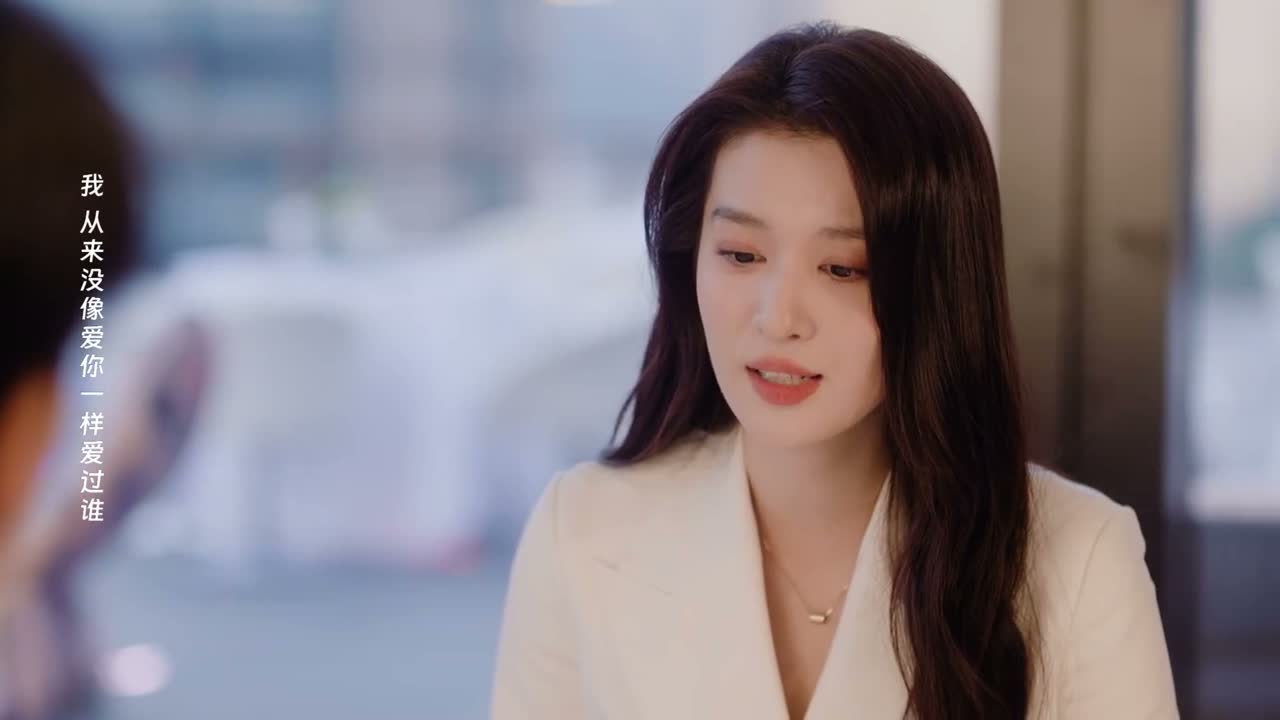
“and now you want to be together.”
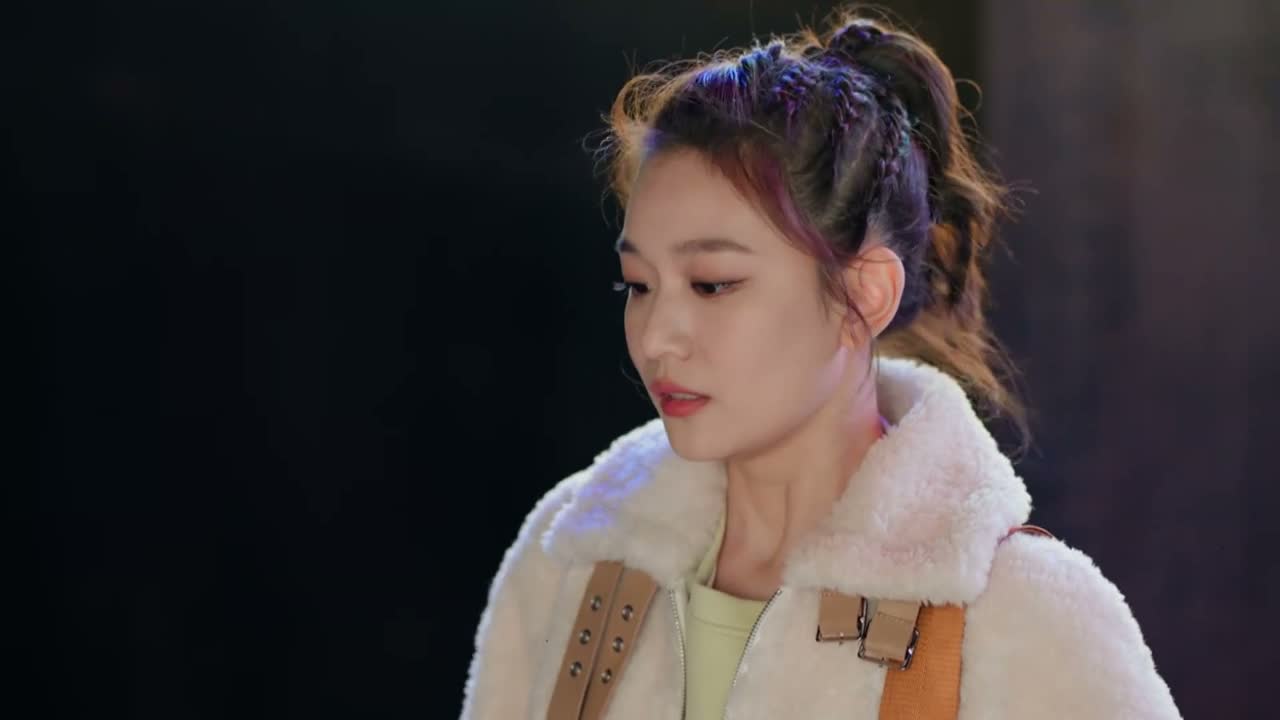
“Being with you really makes me happy.”
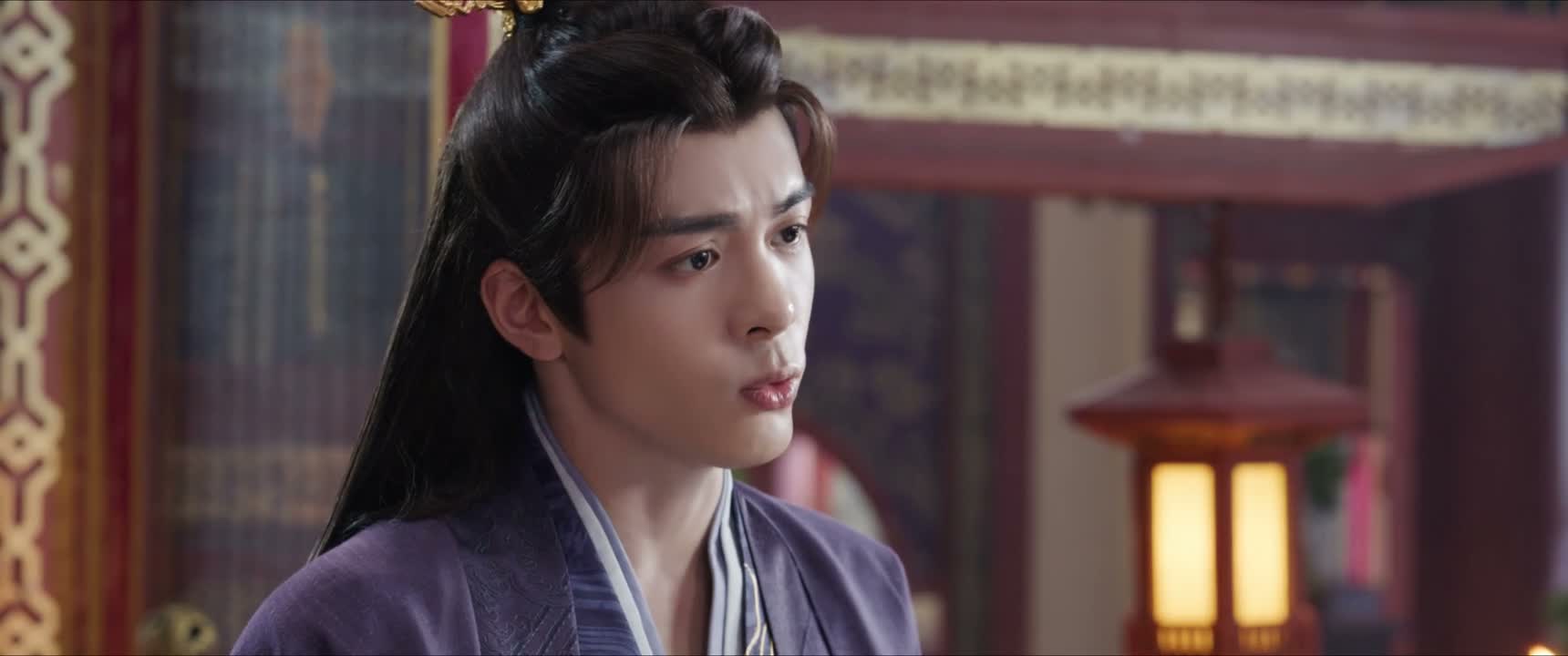
“whenever you're with me, you always end up talking about others.”