但谁会怀疑自己的儿子呢
“But who would suspect their own son?”
THE DIALOGUE REEL
“he couldn't get close to the Eldest Young Master.”
但谁会 怀疑自己 的 儿子 呢
“But who would suspect their own son?”
“The Eldest Young Master's temperament changed drastically after the burn.”
“You cannot blame us for missing the truth—parental love makes doubt unthinkable.”
Chinese ethics view parental love as blind and unconditional; questioning one's own child defies natural human affection (renzhi changqing).
LEARNING CHUNKS & PARTICLES
who would suspect / who would ever doubt
A rhetorical question framework used to assert that doubting in such circumstances would be completely unnatural.
one's own son
Emphasizes biological kinship and unconditional personal loyalty.
Softens the rhetorical question while inviting the listener to agree with the speaker's emotional helplessness.
VOCABULARY & EXPRESSIONS
Parallel Spoken Cinema Scenes (语义近邻切片)
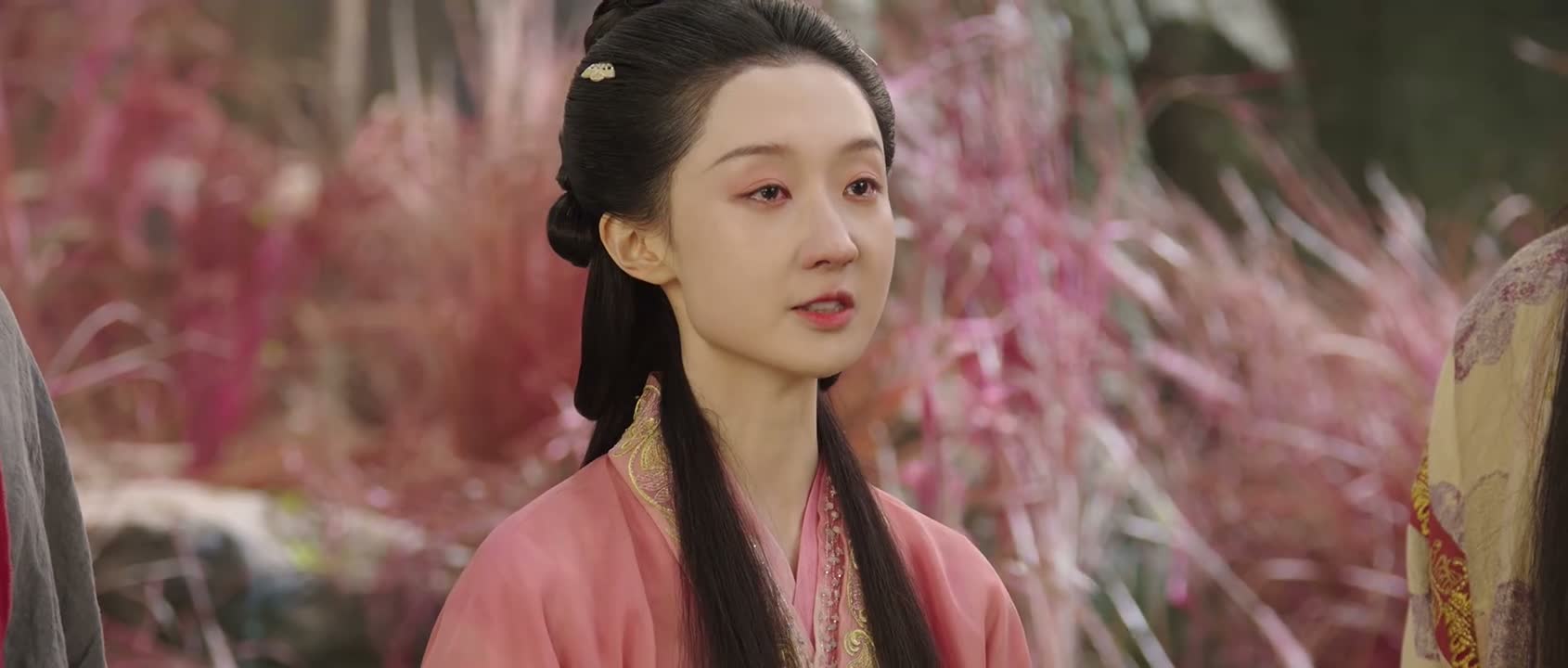
“You won't even acknowledge your son?”
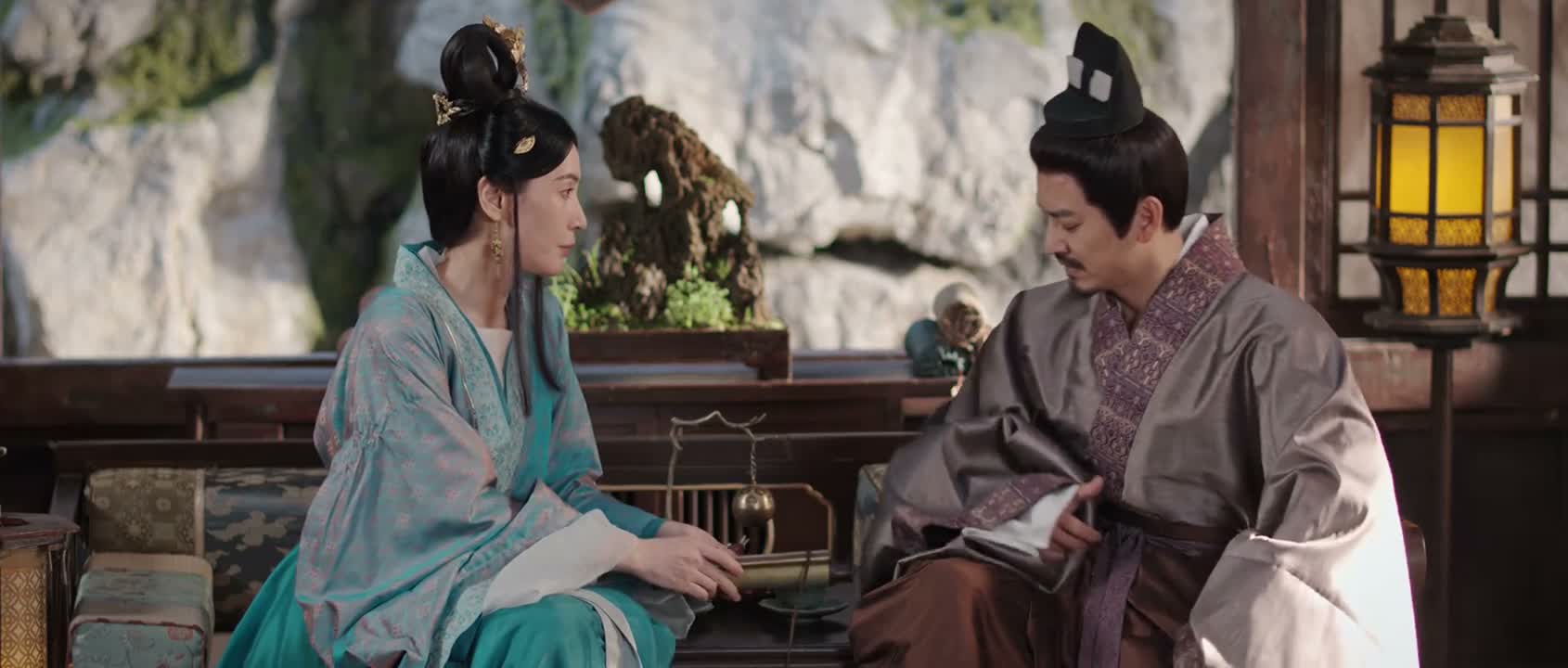
“who wouldn't wish the best for their children?”
“How can I not recognize my own son?”

“was never because you were someone's son.”

“Why else would his own son disown him?”
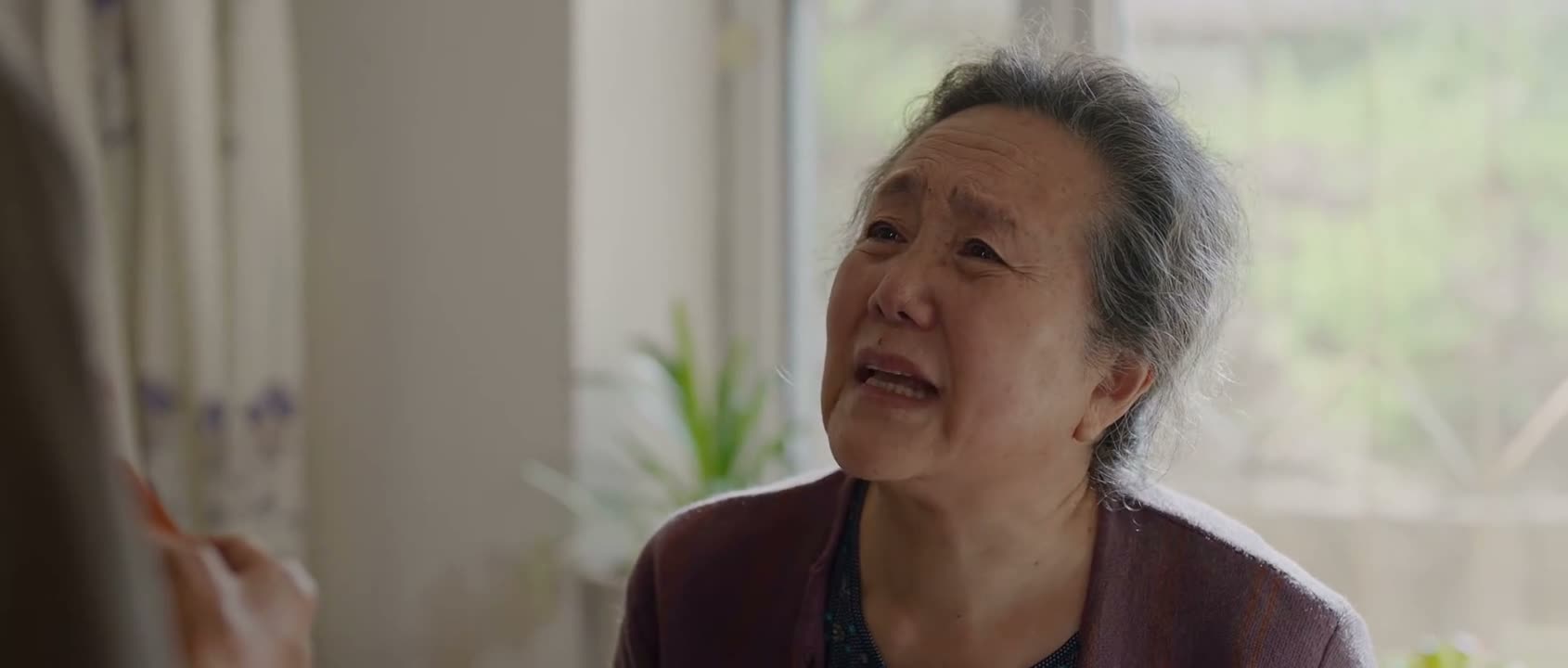
“What mother doesn't worry about her son?”