要不然他儿子能不认他吗
“Why else would his own son disown him?”
THE DIALOGUE REEL
“Frankly, the victim wasn't exactly a good guy either.”
要不然 他 儿子 能不认他 吗
“Why else would his own son disown him?”
这傻孩子也挺可怜的
“Xie Wenle had it tough.”
“Otherwise, why on earth would his own son disown him? It just proves what a terrible person he really is.”
In traditional Chinese culture deeply influenced by Confucian filial piety, 'fu ci zi xiao' (a benevolent father and a filial son) is a fundamental ethical norm. If a son disowns or refuses to acknowledge his father, it is usually perceived by the public as a severe moral stain indicating that the father was deeply corrupt or profoundly negligent in his duties.
LEARNING CHUNKS & PARTICLES
otherwise... how could it be that...? (rhetorical construction showing strong causal inference)
A highly frequent colloquial rhetorical structure used to present counter-evidence supporting a prior assertion, conveying absolute certainty.
disowning him; refusing to acknowledge someone as a parent or relative
Commonly used in domestic dispute contexts when tensions reach an extreme point, marking a total severance of kinship and contact.
Placed at the end of a rhetorical question to intensify the interrogative force and emphasize that the answer is self-evident.
VOCABULARY & EXPRESSIONS
Parallel Spoken Cinema Scenes (语义近邻切片)
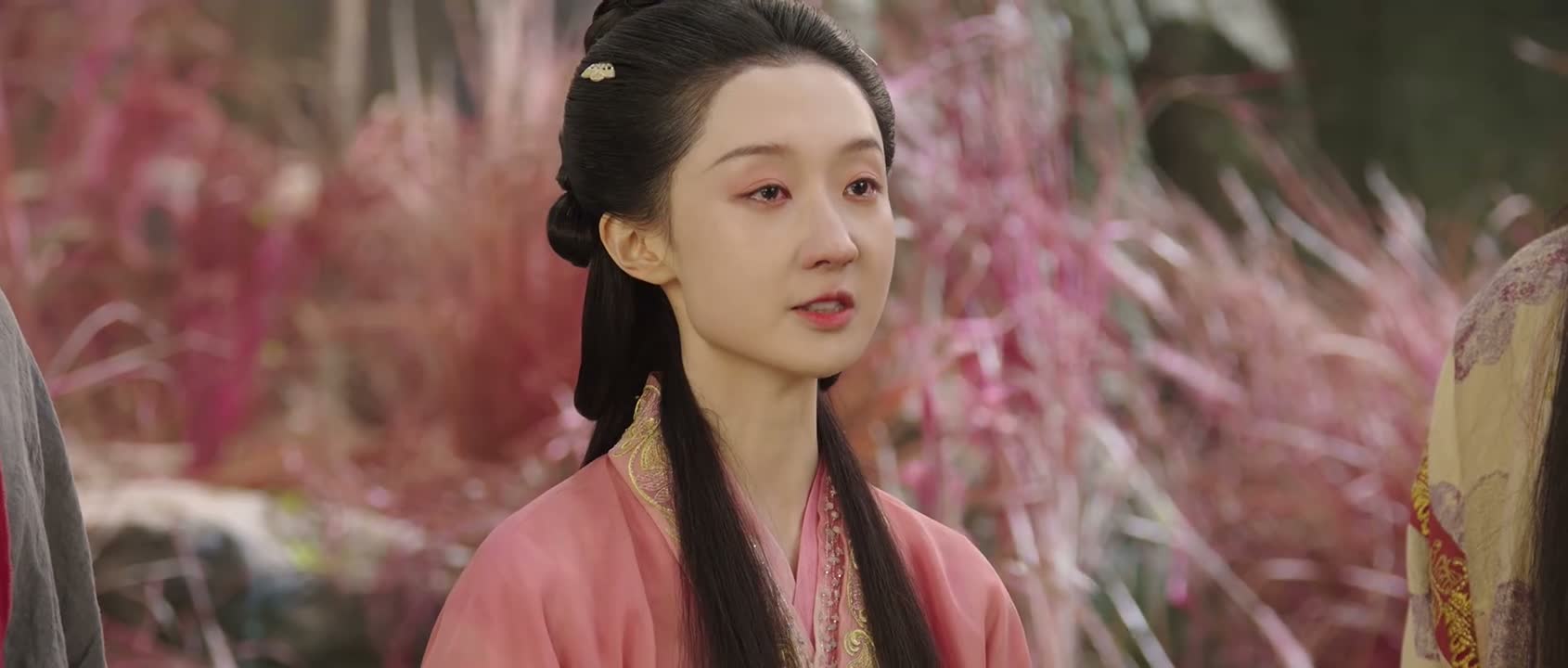
“You won't even acknowledge your son?”

“He's your son anyway.”

“You are his son. He won't disdain you.”

“How can I not recognize my own son?”

“He thought he was my only son,”
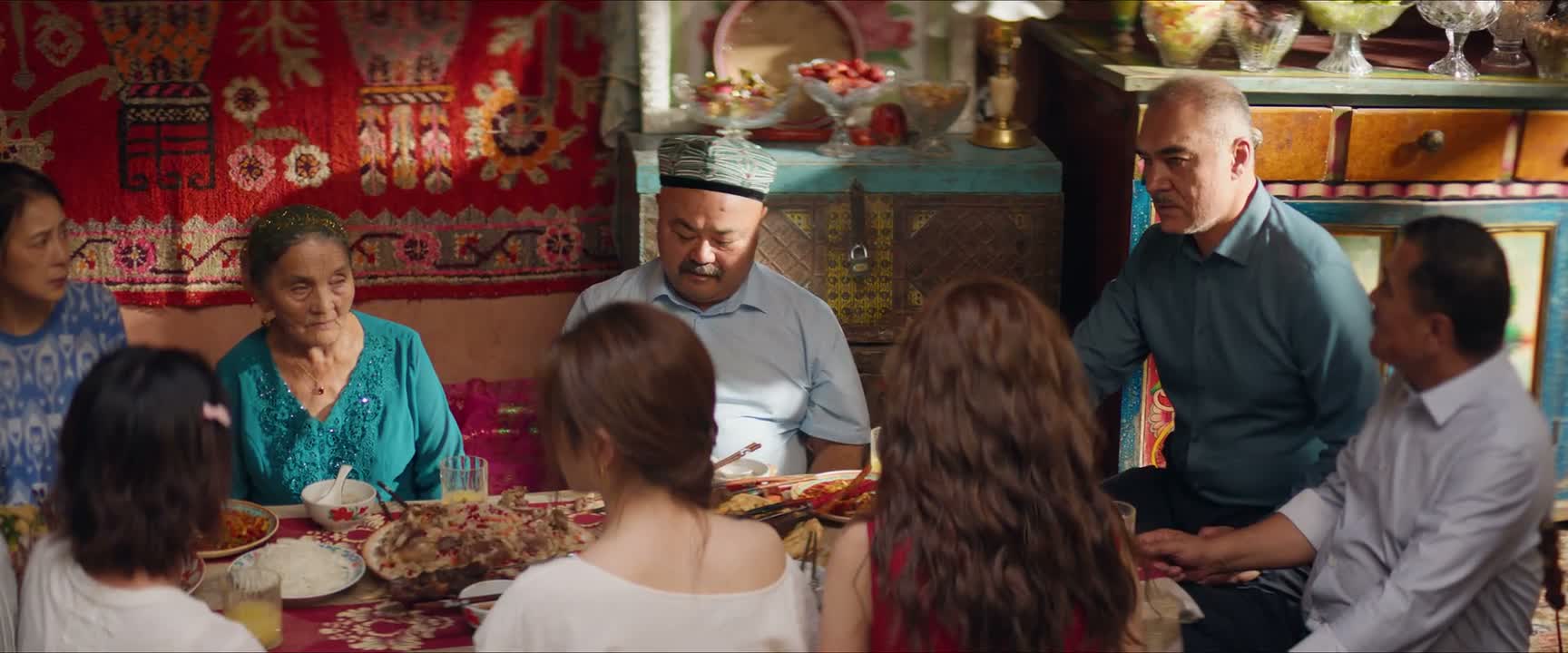
“I raised him like a son.”