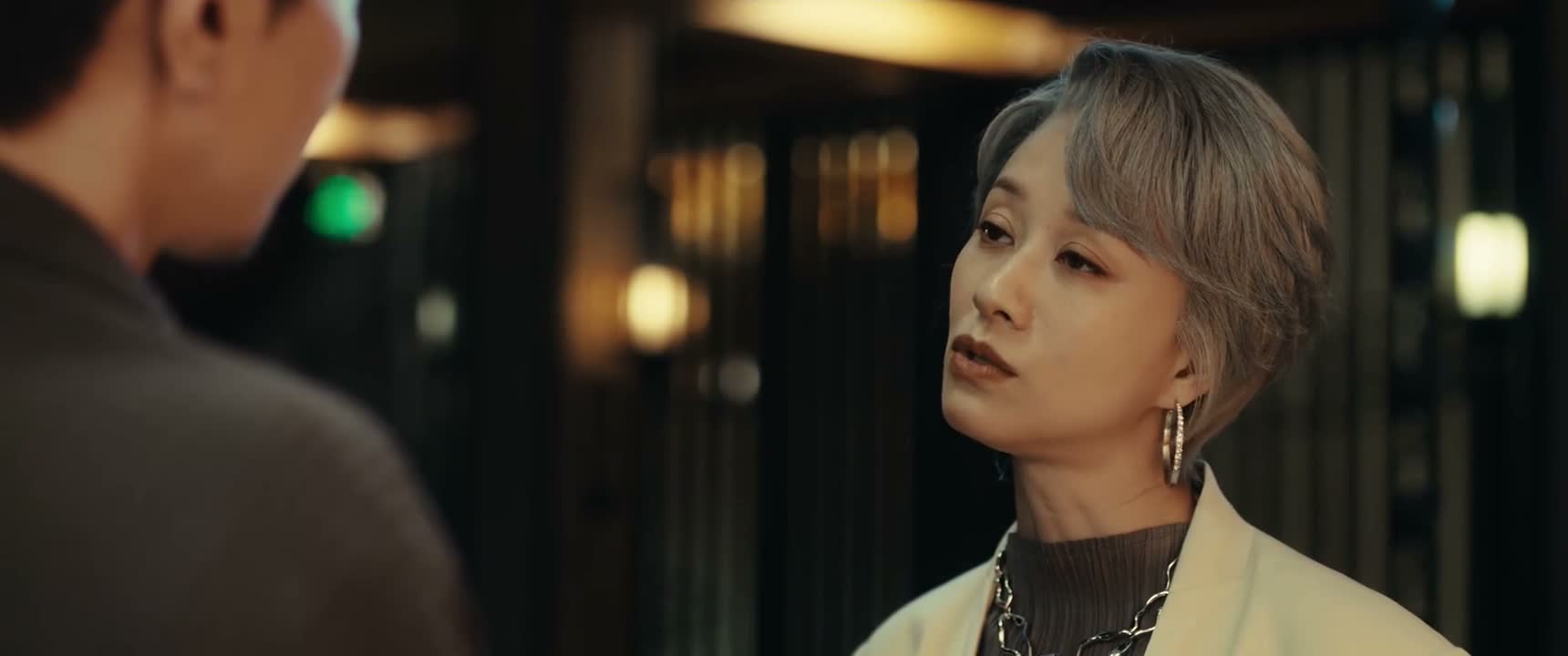
《Vanished Name》 S1·E20 (12:42)
HSK 3
nǐ yào míng bái wǒ nà me zuò dōu shì wèi nǐ hǎo
你要明白我那么做 都是为你好
“I did that for your own good.”
《Vanished Name》
S1·E20
TIMECODE: 12:42
·
1080P MASTER AUDIO
THE DIALOGUE REEL
[-1] PREVIOUS TURN
jīn ér bú shì hái zhǎo liáng yí zhǎn shì qù le ma
今儿不是还找梁宜展示去了吗
“Didn't you show Liang Yi your cards today?”
nǐ yào míng bái wǒ nà me zuò dōu shì wèi nǐ hǎo
CURRENT FOCUS
你要 明白 我那么做 都是 为你好
“I did that for your own good.”
[+1] FOLLOW-UP TURN
nǐ dōu zhī dào wǒ yǒu bié rén le
你都知道我有别人了
“You know about my "lover"”
Subtitles synced to millisecond timecode
Browse Show Clips →
Scene:
Crisis & Conflict
Function:
MORAL JUSTIFICATION
Tone:
CONDESCENDING
Emotion:
RIGHTEOUSNESS
WHAT THEY REALLY MEAN (PRAGMATIC SUBTEXT)
“Stop criticizing me; you should actually be thanking me for protecting you.”
💡 Cultural Insight: Wei Ni Hao (For Your Own Good) Culture
A deeply rooted cultural trope in parenting and intimate relationships where intrusive or hurtful actions are justified by claiming purely benevolent intent.
INTENT TAGS:
#guilt_tripping
#moral_superiority
#rationalization
#self_justification
🧩
2 CHUNKS · 0 PARTICLES
LEARNING CHUNKS & PARTICLES
为你好
SPOKEN CHUNK
for your own good
A ubiquitous phrase in Chinese discourse frequently used to justify overstepping boundaries or controlling behavior.
你要明白
SPOKEN CHUNK
you have to understand
Used to assume an authoritative moral high ground before delivering a rationalization.
🏮
2 EXPR · 0 GRAMMAR
VOCABULARY & EXPRESSIONS
COLLOQUIAL EXPRESSIONS:
CROSS-CINEMA CORPUS BOARD · PARALLEL SCENES
EXPLORE BY SEMANTIC SIMILARITY
Parallel Spoken Cinema Scenes (语义近邻切片)
《Vanished Name》 S1·E20 (12:42) · Authentic Cinema Dialogue Corpus