你最近总说一些 奇奇怪怪的话
“you've been saying some strange things lately.”
THE DIALOGUE REEL
晓兰
“Xiaolan,”
你最近总说一些 奇奇怪怪的话
“you've been saying some strange things lately.”
不过这样的你
“But you know,”
“You have been acting very different lately, and I am curious what is going on with you.”
Chinese speakers frequently use AABB adjective reduplication (such as '奇奇怪怪') in intimate contexts to soften direct evaluations and add a gentle, affectionate tone.
LEARNING CHUNKS & PARTICLES
peculiar / odd / weird
A reduplicated form of '奇怪' that softens the criticism into a playful, endearing, or casual observation.
always say / keep saying
Used to describe a repetitive habit or recent recurrent behavior.
VOCABULARY & EXPRESSIONS
Parallel Spoken Cinema Scenes (语义近邻切片)

“really weird state.”

“I knew it. You two were acting weird in the shop yesterday.”
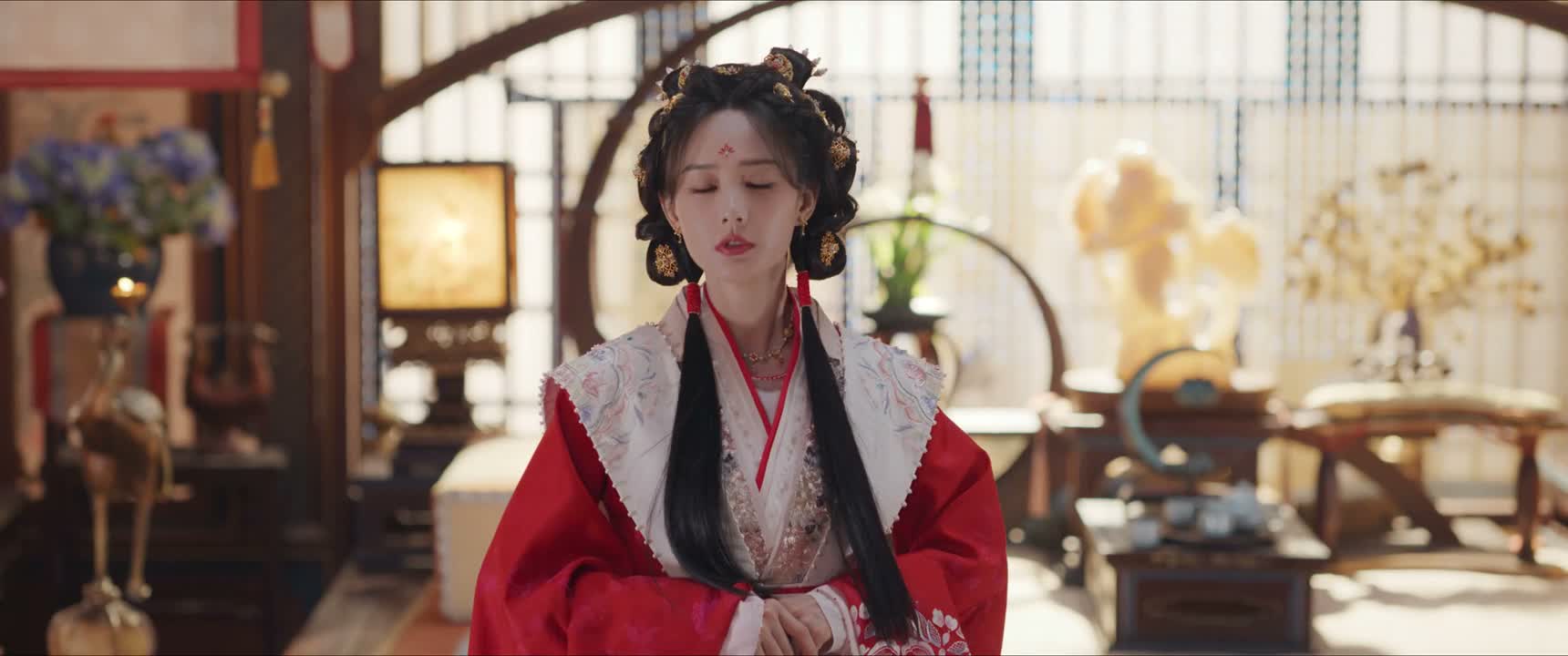
“Why did he act so weird?”

“Why are you acting so strange today?”

“It's weird, but I can actually picture it all in my head.”

“Why do you seem a bit strange today?”
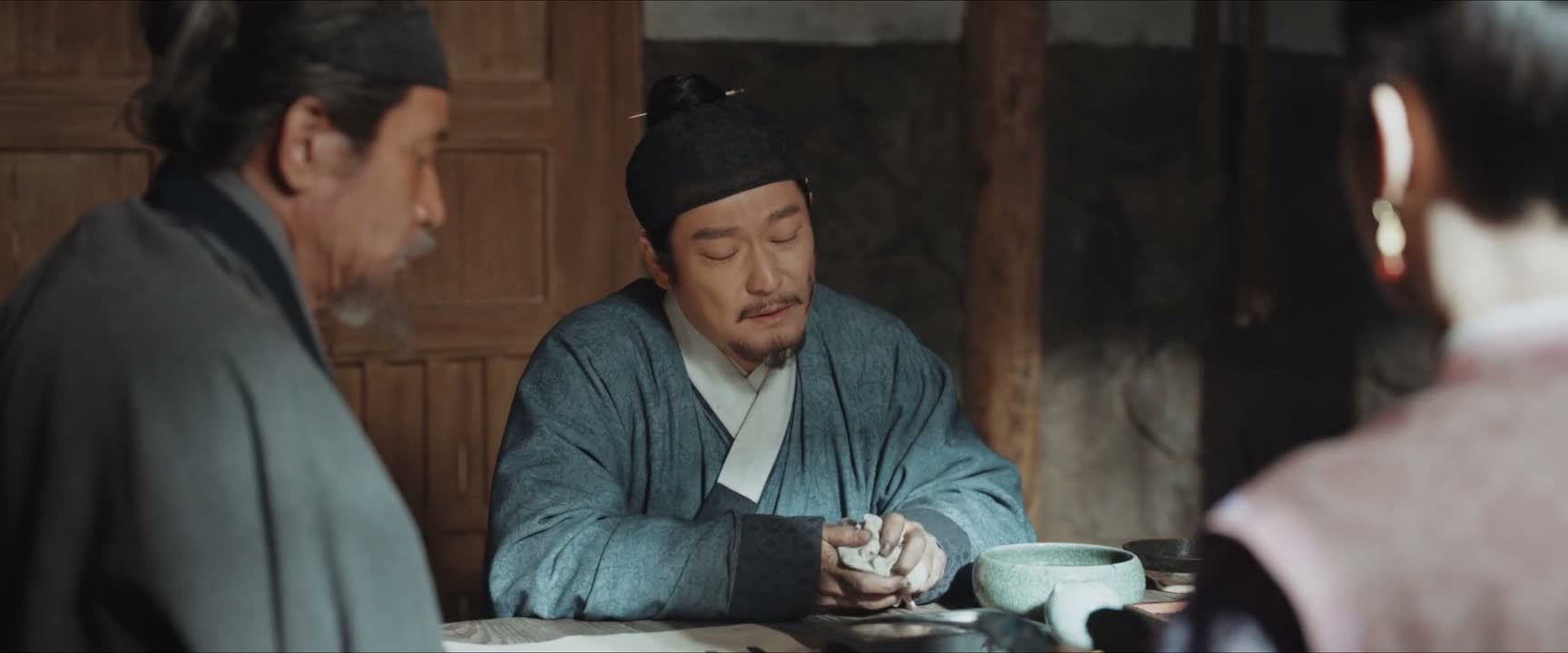
“It is strange, indeed.”

“And I said those nonsensical things.”