怎么奇奇怪怪的
“Why did he act so weird?”
THE DIALOGUE REEL
我先出去了
“I'll head out first.”
怎么 奇奇怪怪 的
“Why did he act so weird?”
这水有毒
“The water is poisoned.”
“Something isn't right here; their behavior is totally suspicious.”
Chinese speakers often express caution or foreboding indirectly by commenting on oddness ('奇奇怪怪') rather than immediately making overt accusations.
LEARNING CHUNKS & PARTICLES
very bizarre or peculiar
A reduplicated form of '奇怪' used in colloquial speech to emphasize that someone or something seems distinctly odd or fishy.
Functions here to create a descriptive adjective state, reinforcing the speaker's lingering impression of strangeness.
VOCABULARY & EXPRESSIONS
Parallel Spoken Cinema Scenes (语义近邻切片)

“Quite interesting. - Let's try. - No.”

“But why do I have ♪ Cure my heart ♪ this strange feeling... ♪ With every part of you ♪”

“He was acting so weird.”

“really weird state.”

“You're the one being weird.”

“What's so odd about it? P-Patterns alike are all over the internet.”
“you've been acting weird.”

“or strange,”

“Something smells. What is that? Fragrant and stinky.”

“All kinds of unusual approaches.”

“[He is so strange] [and hard to read.]”

“Let me show you something weirder.”
“so many bizarre things would unfold.”

“He'd spend all day looking at weird stuff online.”

“you've been saying some strange things lately.”

“Strange how? He only wears the same two outfits.”

“So, you went to this strange space.”

“What's so special about horses?”

“ask you any strange questions?”

“Everything about this feels off.”

“What's so strange about this?”

“you'd love all these weird things,”

“What's so unusual about this kind of thing?”
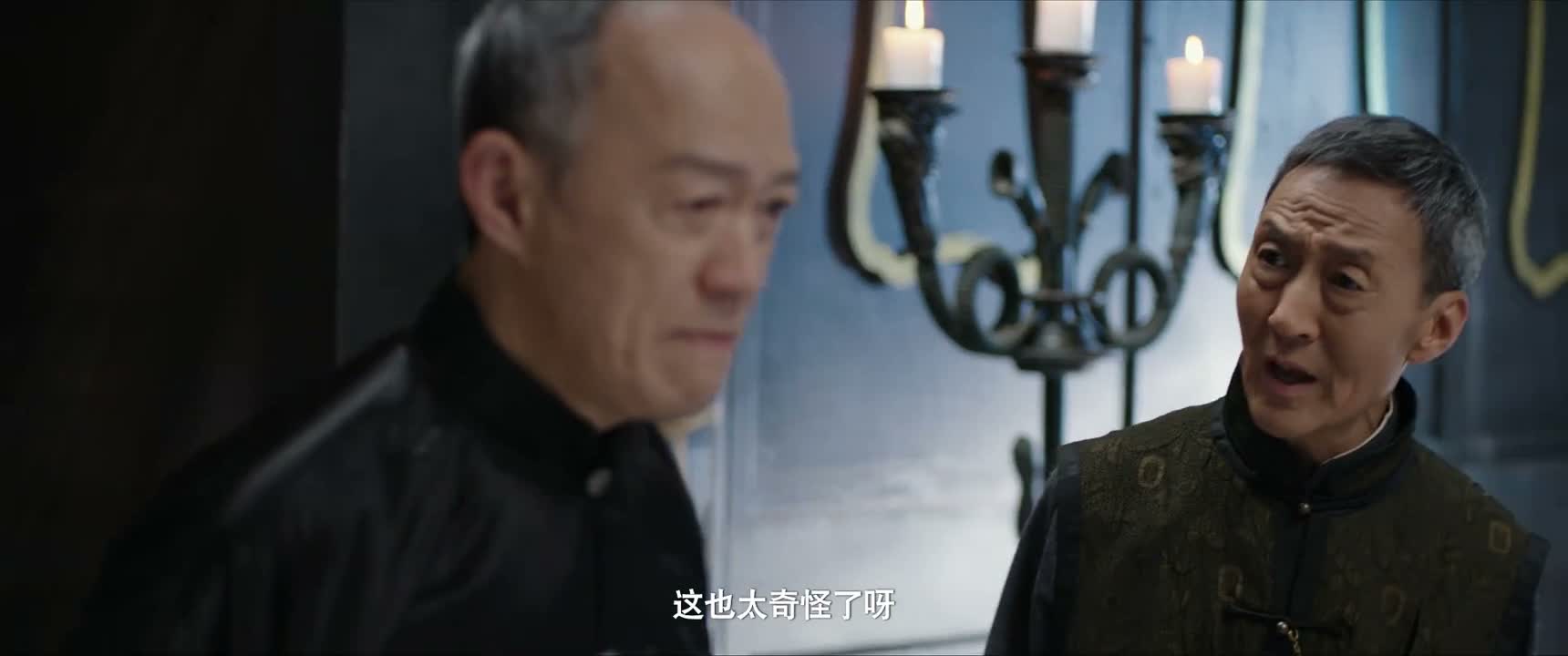
“that is just too strange.”

“It feels weird. What's weird?”

“so having some strange hobbies”

“How strange.”

“It's just too strange.”

“I just feel like something is off.”